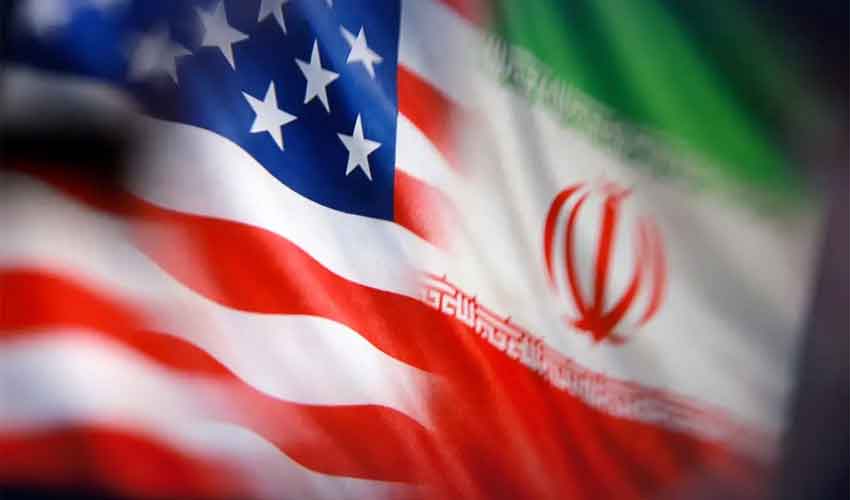
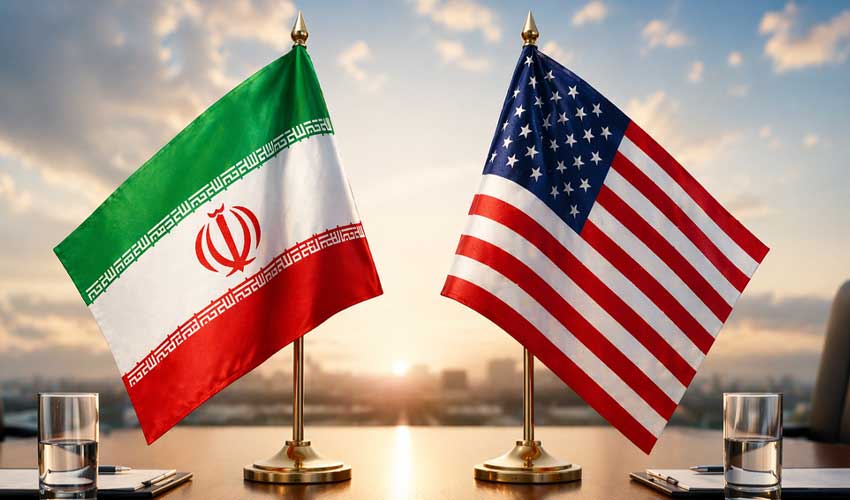
Iran has pledged to show “seriousness and flexibility” in indirect nuclear talks with the United States, as escalating U.S. military deployments raise fears of a wider regional conflict.
The talks aim to break a decades-long impasse over Tehran’s nuclear program.
Iranian Foreign Ministry spokesperson Esmaeil Baghaei told Press TV that the negotiations would focus exclusively on nuclear issues and the lifting of sanctions. Tehran has indicated readiness to offer new concessions while maintaining its right to peaceful nuclear enrichment.
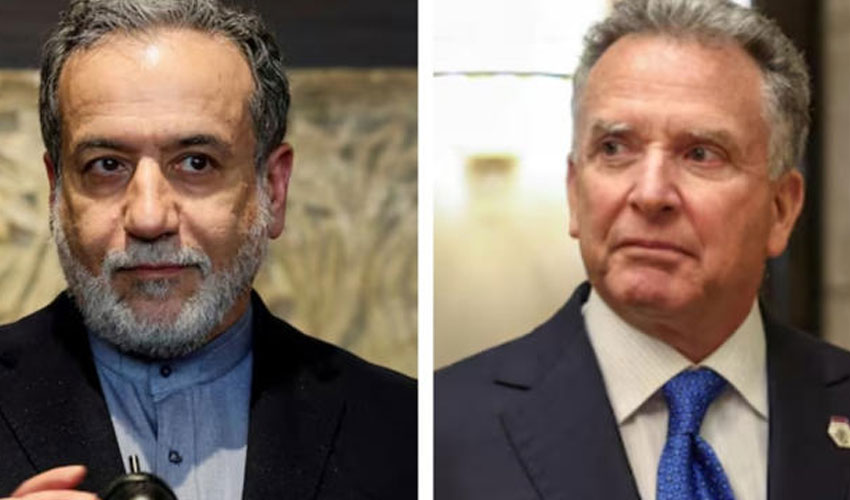
Iranian Foreign Minister Abbas Araqchi emphasized that a fair and swift deal is the goal, but the country will not give up its rights under international law. Tehran’s approach comes amid mounting internal pressures, including a struggling economy and renewed protests.
US military buildup and pressure
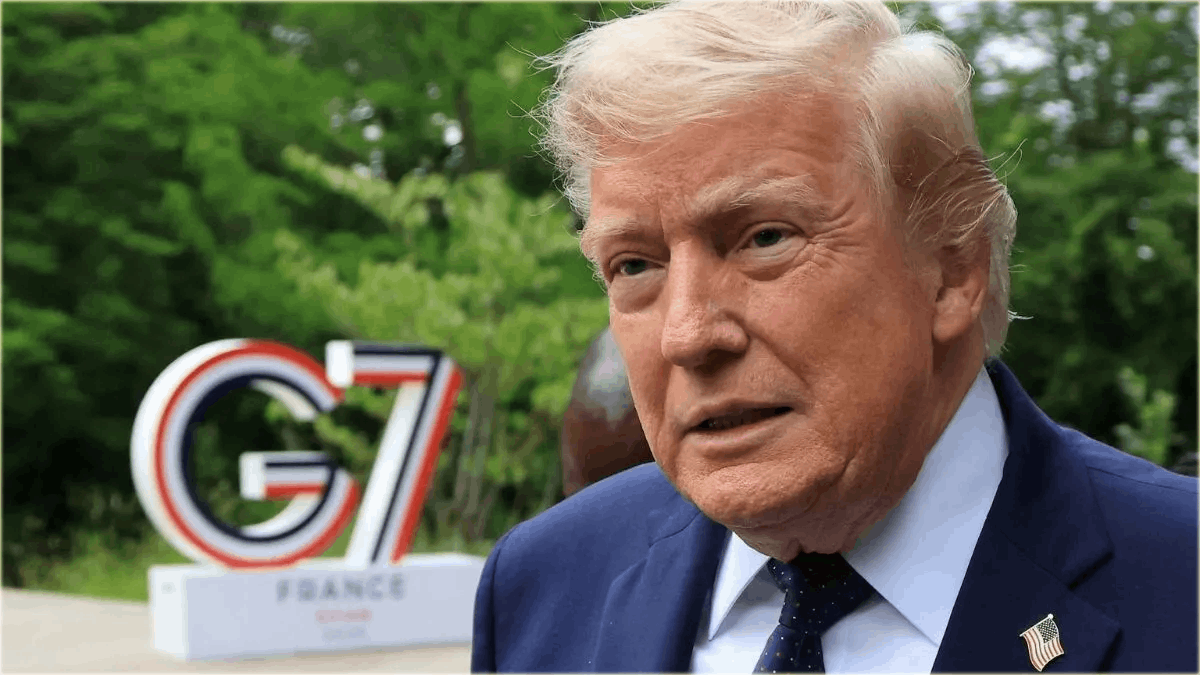
The third round of talks coincides with the largest U.S. military deployment in the Middle East since the 2003 Iraq invasion. President Donald Trump has deployed aircraft carrier strike groups, fighter jets, and destroyers near Israel and the Persian Gulf, aiming to pressure Iran into concessions.
U.S. Secretary of State Marco Rubio warned that Iran’s ballistic missile program poses a threat to regional stability. Special Envoy Steve Witkoff and Jared Kushner attended the indirect talks alongside Iranian officials, mediated by Oman’s Foreign Minister Badr Albusaidi.
Economic and regional implications
Oil prices inched higher as markets weighed the risk of military conflict, while Saudi Arabia increased production and exports as a contingency against potential supply disruptions. Analysts note that any escalation could destabilize energy markets and heighten geopolitical tensions across the Middle East.
Supreme Leader Ayatollah Ali Khamenei faces one of the gravest crises of his tenure, with the economy strained by sanctions and domestic protests. Iranian officials reiterated that Tehran will not develop nuclear weapons, citing a fatwa banning weapons of mass destruction.


.gif)
.jpg)