Mediator Oman expressed hope on Thursday that Iran and the United States could make progress in Geneva on their nuclear dispute.
Talks resumed after a short pause, with negotiators exchanging ideas in what Oman described as a positive and constructive atmosphere.
Omani Foreign Minister Sayyid Badr Albusaidi told reporters that negotiators from Iran and the U.S. had taken a break after the third round of discussions and would resume later on Thursday.
“We’ve been exchanging creative and positive ideas in Geneva today, and now both U.S. and Iranian negotiators have adjourned for a break. We hope to make more progress,” Albusaidi said, without giving further details.
Iran submitted a proposal to Oman on Wednesday, which was then discussed with U.S. officials. Following consultations among the Iranian delegation, further adjustments are expected to move closer to a potential agreement.
Ballistic missiles remain a major concern
While the nuclear talks progress, the U.S. has raised concerns over Iran’s ballistic missile program. U.S. Secretary of State Marco Rubio said Iran’s refusal to discuss missiles, which he described as capable of striking America, is a “major problem” that will need to be addressed eventually.
“If you can’t make progress on the nuclear program, it will be hard to make progress on ballistic missiles,” Rubio added.
Iranian Foreign Ministry spokesperson Esmaeil Baghaei clarified that negotiations are currently focused solely on nuclear issues and the lifting of sanctions, asserting Tehran’s commitment to “seriousness and flexibility.”
High stakes amid US military buildup
The talks are taking place against the backdrop of the largest U.S. military deployment in the Middle East since 2003, raising fears of a wider conflict. President Donald Trump has warned of potential military action if Iran fails to make concessions, even as he emphasizes a preference for diplomacy.
U.S. forces have sent fighter jets, aircraft carrier strike groups, and warships to the region. The USS Gerald R. Ford aircraft carrier departed near Crete, heading for northern Israel, while F-22 fighter jets were deployed to Israel for potential wartime readiness.
Several countries have also withdrawn dependents of diplomatic staff from the region or advised citizens to avoid travel to Iran amid heightened tensions.
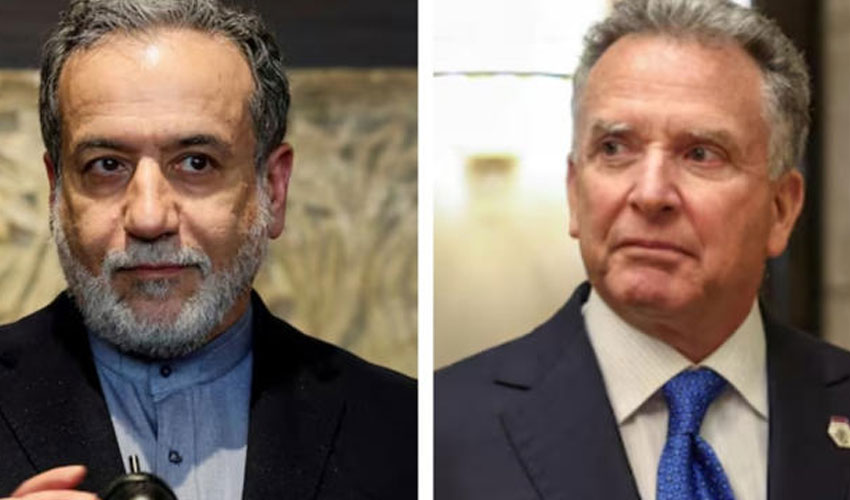
Iranian officials maintain they are seeking a fair and swift deal, without abandoning their right to peaceful nuclear technology. Negotiators, including Iranian Foreign Minister Abbas Araqchi, have indicated that concessions may be offered in exchange for lifting sanctions and recognition of Iran’s nuclear enrichment rights.
Supreme Leader Ayatollah Ali Khamenei faces domestic pressure as Iran’s economy struggles under sanctions, and renewed protests follow a crackdown in January. President Masoud Pezeshkian reiterated that Tehran will not develop nuclear weapons, citing a longstanding fatwa banning weapons of mass destruction.