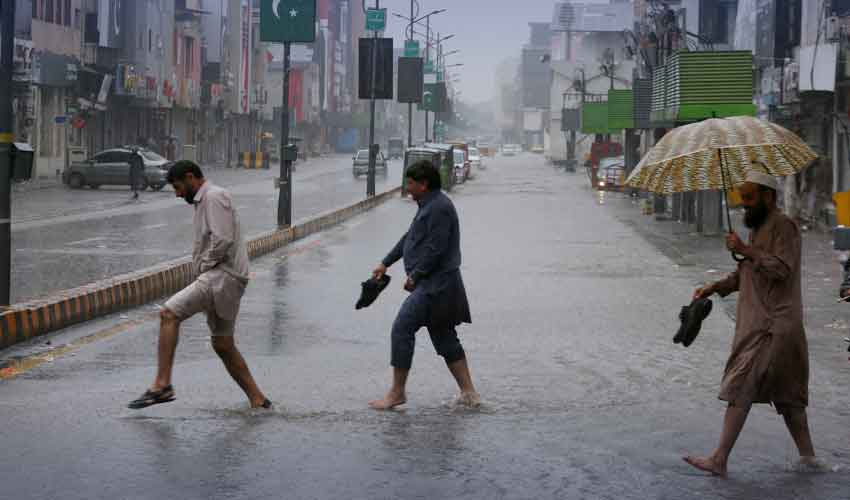
The National Institute of Health (NIH) has issued a nationwide warning that the upcoming monsoon season and potential flooding could trigger outbreaks of infectious diseases, urging provincial governments, district administrations and health authorities to remain on high alert.
In an advisory, the NIH warned that heavy rains, stagnant water and flood conditions could significantly increase public health risks, including the spread of cholera, typhoid, malaria and dengue fever.
According to the NIH, rainwater accumulation creates ideal breeding grounds for mosquitoes, increasing the risk of malaria and dengue outbreaks during the monsoon season.
The institute also cautioned that contaminated water supplies and food contamination caused by flooding can lead to the spread of waterborne diseases such as cholera and typhoid.
To minimize the risk of epidemics, the NIH directed authorities to activate surveillance systems and strengthen disease monitoring mechanisms across the country.
Additional health emergencies
The health advisory noted that floodwaters can also contribute to the spread of other dangerous infections, creating additional challenges for healthcare systems and emergency responders.
The NIH emphasized the need for timely preventive measures and rapid response mechanisms to reduce the risk of widespread disease transmission in flood-affected areas.
Apart from health concerns, the NIH highlighted several safety risks associated with monsoon rains.
The institute warned that lightning strikes and electrocution incidents often increase during heavy rainfall. Citizens have been advised to stay away from electricity poles, exposed electrical installations and fallen power lines during storms.
Snakebite incidents may rise
The NIH further warned that snakebite cases may increase during flooding as snakes and other reptiles are displaced from their natural habitats.
People living in flood-prone areas have been urged to exercise caution and immediately seek medical assistance in case of a snakebite.
Danger of building collapses
The advisory also pointed to the risk of fatalities and injuries caused by the collapse of weak walls, roofs and other structures during heavy rains and flood conditions.
Authorities have been urged to raise public awareness about potential hazards and ensure emergency preparedness in vulnerable communities.
Emergency medical supplies
To prepare for possible emergencies, the National Institute of Health instructed hospitals and healthcare facilities to maintain adequate stocks of essential medicines and emergency supplies.
The institute specifically directed health authorities to ensure the availability of anti-snake venom vaccines, Oral Rehydration Salts (ORS), and other critical medicines required during disease outbreaks and flood-related emergencies.
The NIH stressed that coordinated efforts by health departments, local administrations and emergency services will be crucial to preventing large-scale health crises during the monsoon season.






.gif)
.jpg)