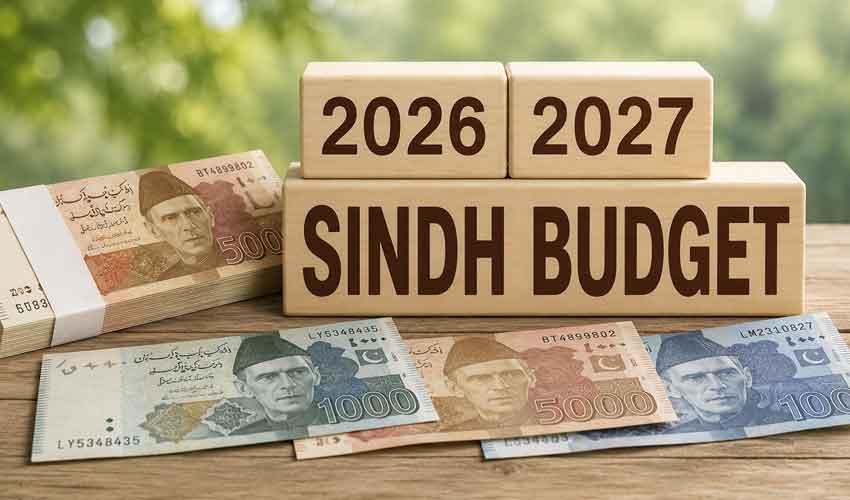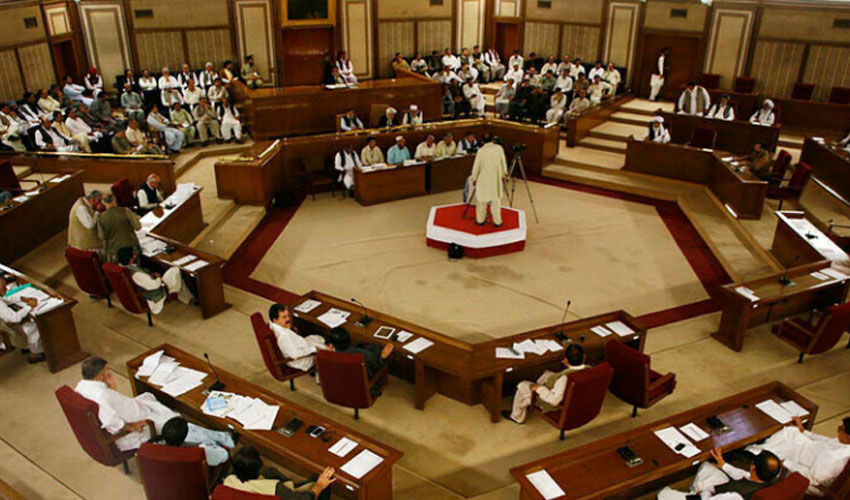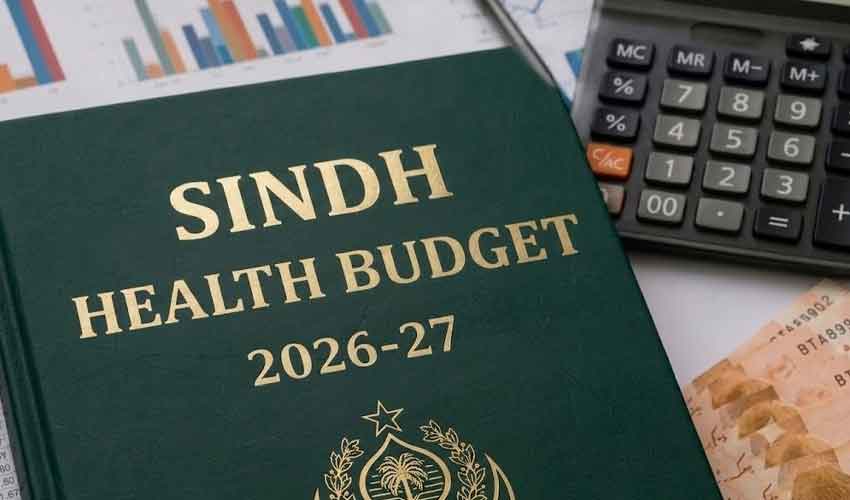
As the Sindh government prepares to present its Budget 2026-27 today, public expectations are focused on relief measures, while the health sector remains under intense scrutiny due to long-delayed projects and ongoing challenges in healthcare delivery.
The provincial government allocated hundreds of billions of rupees to health in the last fiscal year, but several major projects are still unfinished, raising questions about the effectiveness of spending and implementation.
In the fiscal year 2025-26, the Sindh government allocated Rs381 billion for the health sector, making it one of the province's largest spending areas.
Despite the substantial allocation, many healthcare initiatives have yet to be completed, while patients continue to face challenges ranging from medicine shortages to limited access to specialized services.
As the new budget is unveiled today, health spending and project completion are expected to remain key areas of focus.
Paediatric Cardiac Unit unfinished after decade
One of the most prominent examples of delayed healthcare infrastructure is the Paediatric Cardiac Unit being constructed within the premises of the National Institute of Cardiovascular Diseases (NICVD) in Karachi.
The project was launched in 2016 with the aim of improving specialized cardiac care for children. However, despite the passage of 10 years, the facility has yet to become operational.
Also Read: Sindh budget details revealed, development faces major cuts
The initial estimated cost of the project stood at Rs1.74 billion. The following year, an additional Rs2.75 billion was allocated for its development.
Over time, the cost continued to rise, reaching Rs11 billion in the last fiscal year, yet the project remains incomplete.
Medical organisations raise concerns
Healthcare professionals and medical organizations have repeatedly expressed concerns over the prolonged delays in completing major health projects.
They argue that despite significant financial allocations, the pace of implementation remains slow, depriving patients of much-needed medical services.
The delayed completion of the Paediatric Cardiac Unit has become a symbol of broader concerns regarding healthcare infrastructure development in the province.
The Sindh government allocated substantial funds to major healthcare institutions in the previous fiscal year's budget. A total of Rs16.7 billion was allocated to the National Institute of Cardiology, while Rs19 billion was earmarked for the Sindh Institute of Urology and Transplantation (SIUT).
The Sindh Institute of Cardiovascular Diseases (SICVD) received Rs13 billion.
Meanwhile, Rs10 billion was allocated for the establishment of a hospital in Larkana, and Rs4.7 billion was set aside for a cancer hospital in Gambat.
The government also allocated Rs6.6 billion for the Sindh Integrated Emergency and Health Services and related healthcare initiatives, Rs10 billion for the Gambat Institute, and Rs12 billion for Indus Hospital.
Healthcare challenges persist
Despite the allocation of large-scale funds, healthcare facilities continue to face significant operational challenges.
Hospitals across Sindh remain under pressure due to the growing number of patients arriving not only from within the province but also from neighboring regions.
As a result, shortages of medicines have been reported at some facilities, while others continue to struggle with inadequate radiology services.
These issues have fueled concerns about whether healthcare spending is translating into meaningful improvements for patients.
Primary healthcare remains key concern
Health experts emphasize that primary healthcare centers form the backbone of any effective healthcare system.
Recognizing their importance, the Sindh government allocated Rs16.5 billion for the People's Primary Healthcare Initiative (PPHI) in the previous budget.
However, many health experts remain dissatisfied with the overall state of primary healthcare services and argue that more needs to be done to improve access and service delivery.
Minister expresses satisfaction
While healthcare experts continue to highlight shortcomings, the provincial health minister has expressed satisfaction with the government's efforts in the sector.
The minister maintains that significant investments have been made to strengthen healthcare services across Sindh.
However, critics argue that despite the allocation of huge financial resources, the healthcare system has not improved to the desired level and many citizens still struggle to access quality medical facilities.
With the Sindh Budget 2026-27 set to be presented today, healthcare remains one of the most closely watched sectors.
Stakeholders will be looking for measures aimed at completing delayed projects, improving hospital services, addressing medicine shortages and strengthening primary healthcare infrastructure.
For many residents, the key question is whether increased funding will finally translate into better healthcare services and improved access to treatment across the province.




.jpg)