US Secretary of State Marco Rubio has reaffirmed Washington’s firm position on the Strait of Hormuz, Iran’s nuclear programme and regional security, while also pledging humanitarian assistance for earthquake-hit Venezuela.
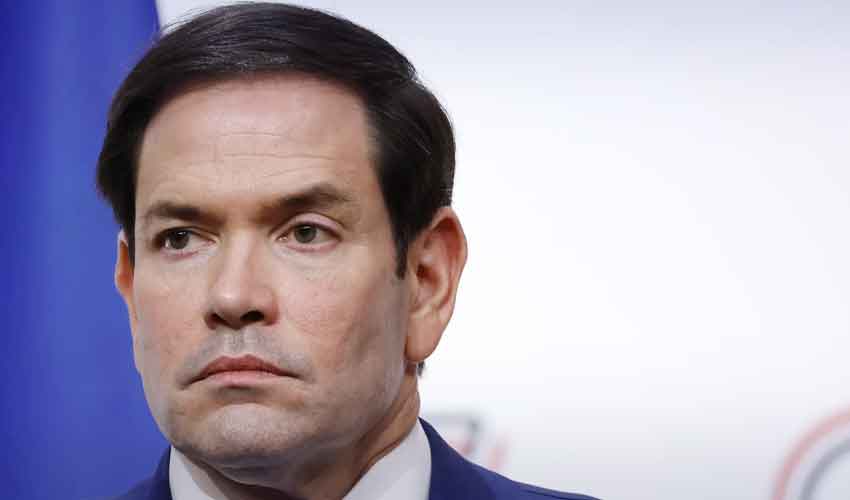
Speaking to the media in Bahrain after meetings with Gulf leaders and later meeting Bahrain’s king, Rubio said the United States remains committed to a lasting peace in the Middle East but will not compromise on international shipping or regional security.
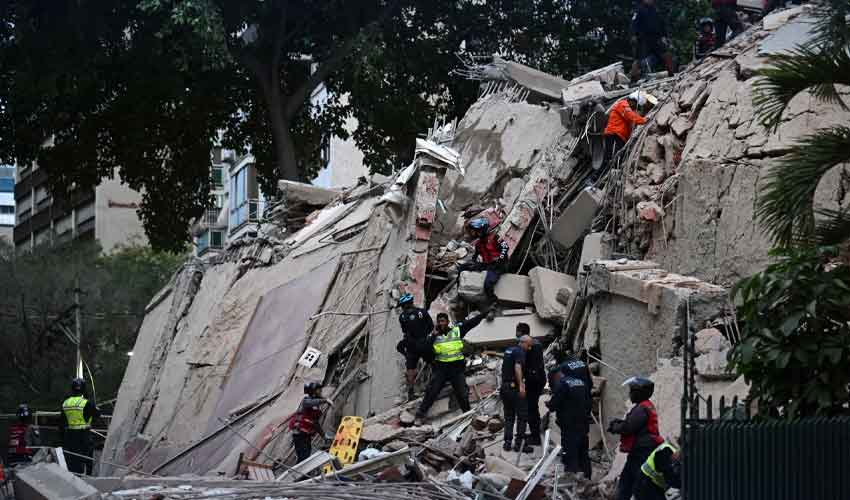
Rubio expressed deep sorrow over the devastation caused by the powerful earthquakes in Venezuela.
“I am very sorry for the damage in Venezuela,” he said.
The secretary of state said the United States has already dispatched aid teams to assist rescue efforts and stands with Venezuela during the crisis. He pledged that Washington would provide all possible assistance and said search and rescue operations remain the immediate priority.
Rubio also noted that the runway at Caracas International Airport had been affected by the earthquake.
US rejects tolls in Strait of Hormuz
Rubio reiterated that the Strait of Hormuz is an international waterway where no country has the right to impose tolls or taxes.
“Call it a fee, a tax or whatever you want. If money is collected in the Strait of Hormuz, we will not support it, we will not tolerate it, nor will we allow it,” he said.
Also Read: Rubio tells Gulf allies no deal to allow Strait of Hormuz fees
He added that President Donald Trump has taken a clear and categorical position on the issue.
Rubio said the United States is continuously monitoring commercial shipping through the strait and will assess the situation based on whether vessels continue operating normally.
Oman opposes toll system
Rubio said Oman had also made its position clear during meetings, stating that it does not support any toll or tax collection system in the Strait of Hormuz.
He described US relations with Oman as excellent and said Muscat shares Washington’s view on keeping the strategic waterway free from transit charges.
Rubio added that Gulf states are also opposed to the collection of any fees in the Strait of Hormuz.
The secretary of state said he held very productive meetings with Gulf countries during his regional visit. He acknowledged that Gulf states had expressed serious concerns and reservations regarding recent developments.
Rubio said he had reassured regional partners that decisions taken during ongoing negotiations would protect the interests of the region and its allies.
Iran peace agreement aims for stability
Rubio said the purpose of the Iran peace agreement is to establish lasting peace and stability in the region. However, he stressed that peace cannot be achieved unless Iran stops funding proxy groups.
“You cannot achieve peace and stability unless you stop funding proxies,” he said.
Also Read: US-Iran technical talks to resume in Switzerland next week: Rubio
He also warned that the United States would not tolerate any violation of the agreement by Iran.
Iran must never acquire nuclear weapons
The US secretary of state reiterated that Iran cannot be allowed to possess nuclear weapons under any circumstances. He added that Washington has assembled a strong negotiating team to work on the Iran agreement and remains committed to reaching a deal that benefits all parties.
“We want a deal that is good for everyone,” Rubio said.
No funds or frozen assets transferred to Iran
Rubio denied reports suggesting that funds or frozen Iranian assets were being transferred to Tehran. He said no money or frozen assets have been released to Iran.
He also clarified that the proposed $300 billion reconstruction package for Iran was not discussed during his meetings with Gulf leaders. Rubio said Iran has not yet provided any funding, nor has it discussed the reconstruction fund with Gulf countries.
Responding to questions about statements made by Iranian officials, Rubio said Washington is more interested in Iran’s actions than its public remarks.
Also Read: Iran warns US against changing terms of post-war MoU
“We are not interested in the Iranian press conferences. We are interested in whether the ships are operating normally,” he said.
He added that the United States would respond based on Iran’s actions rather than its public statements.
Lebanon-Israel talks show progress
Rubio revealed that a positive meeting had recently taken place between Lebanese government officials and Israeli representatives.
He described the talks as constructive and noted that this was the first time the Lebanese government had engaged directly with Israeli officials. He also clarified that Hezbollah is not part of the Lebanese government.
According to Rubio, negotiations between Lebanon and Israel are continuing in Syria as part of broader regional diplomatic efforts.
Concluding his remarks, Rubio said the United States is entering a new phase in its Middle East diplomacy.
He expressed hope that ongoing negotiations and regional engagement would ultimately lead to lasting peace while preserving the security of US allies and ensuring the uninterrupted flow of international trade through the Strait of Hormuz.