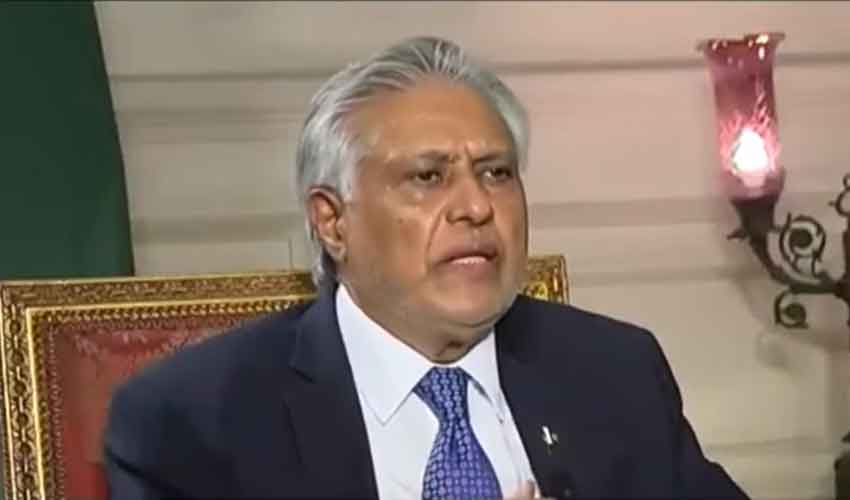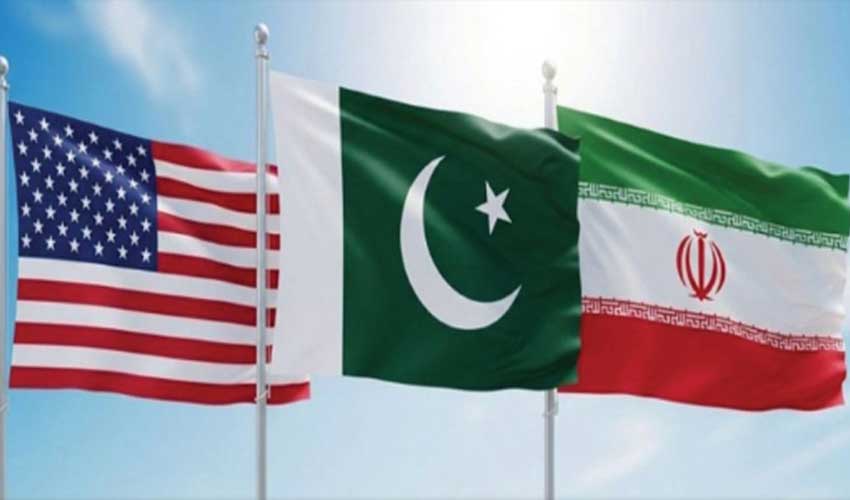
Pakistan has said technical-level talks between the United States and Iran will resume next week after the second round of discussions in Bürgenstock, Switzerland, as Islamabad continues its mediation role alongside Qatar.
Foreign Office Spokesperson Tahir Hussain Andrabi said Pakistan’s role in promoting regional peace has been widely recognized by the international community, reflecting confidence in Islamabad’s diplomacy.
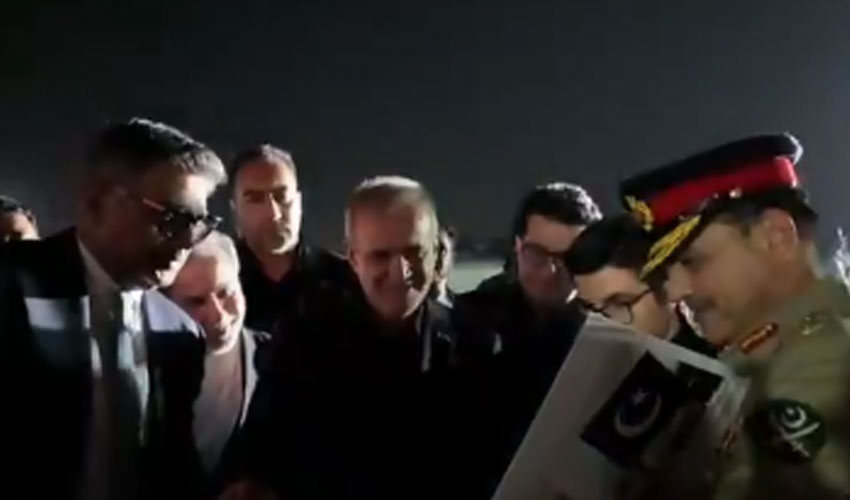
During his weekly briefing in Islamabad, the Foreign Office spokesperson said the second round of Iran-US talks was held in Bürgenstock. He said Pakistan was represented by Prime Minister Shehbaz Sharif and Field Marshal Asim Munir during the process.
The spokesperson added that the Islamabad MoU and the Lucerne meeting had strengthened Pakistan’s belief that dialogue and diplomacy remain the most effective tools for peaceful resolution of disputes.
Three technical working groups formed
According to the Foreign Office, three specific technical working groups have been formed for the second phase of the process.
The first group is working on Iran’s nuclear programme, the second is dealing with sanctions and frozen assets, while the third is focusing on Lebanon.
Pakistan and Qatar’s technical teams will remain in contact with both the United States and Iran as discussions continue.
Talks on temporary pause
Tahir Hussain Andrabi said the Bürgenstock talks are ongoing, though there is currently a temporary pause. He confirmed that US-Iran technical talks will resume next week.
The spokesperson said the joint statement issued after the Lake Lucerne summit included concrete points, and progress is being made on sanctions relief and the reopening of the Strait of Hormuz.
Strait of Hormuz blockade lifted
The Foreign Office said the blockade of the Strait of Hormuz has ended, while talks are still underway to determine its final status.
Pakistan, the spokesperson said, supports maintaining the status quo of the Strait of Hormuz and considers it an important international trade corridor.
He added that the process includes discussions on strategic issues and Pakistan remains involved at the technical level.
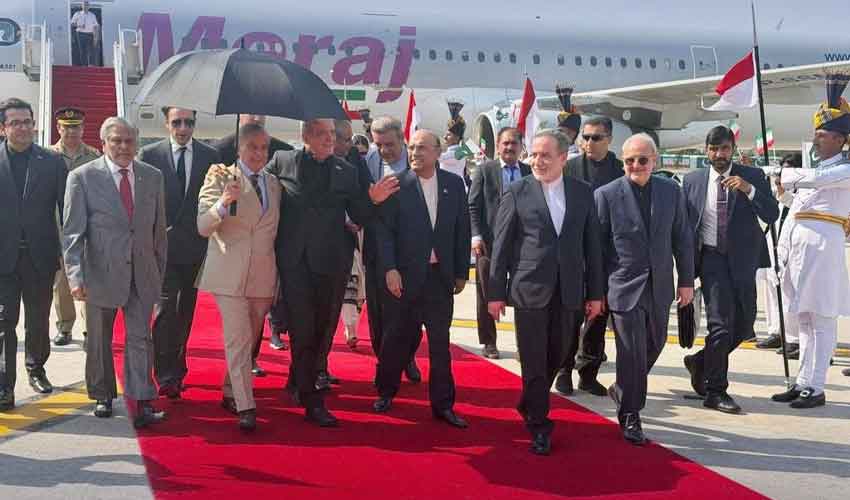
The spokesperson said various bilateral projects were discussed during the Iranian president’s visit to Pakistan. However, he clarified that progress on joint projects, trade and a proposed trade gateway with Iran is linked to the lifting of US and global sanctions.
He said movement on these areas would become possible once the sanctions-related issues are addressed.
Iran missile programme
Responding to a question, the spokesperson said Prime Minister Shehbaz Sharif had spoken clearly and in a measured manner on Iran’s ballistic missile programme. He said the prime minister’s remarks in Parliament were made in the context of the overall regional situation.
However, he clarified that the issue of Iran’s missile programme is not included in the Islamabad MoU.
The Foreign Office welcomed positive statements from various partners and members of the international community regarding Pakistan’s constructive role in reducing regional tensions.
The spokesperson said recognition of Pakistan’s peace efforts reflects the trust of the international community. He also praised the Pakistani media, saying it played a responsible role in supporting mediation and peace efforts.
Response to Indian leadership’s remarks
On remarks from India, the spokesperson said abusive language from India’s top leadership has become routine and is not surprising for Pakistan. He said Islamabad’s focus remains on the future rather than responding to provocative rhetoric.
Speaking about Afghanistan, the spokesperson said Pakistan pursued diplomacy from 2021 to 2025 to resolve issues with Kabul. He said Deputy Prime Minister Ishaq Dar personally visited Afghanistan and several matters were addressed through diplomatic engagement.
However, he added that a diplomatic solution became impossible after a wave of terrorism emerged from Afghan soil.
The spokesperson said Pakistan has not taken any steps against the Afghan people, but will continue to act under its right to self-defense to protect its citizens. He said Pakistan needs verifiable assurances that Afghan soil will not be used for terrorism.
Pakistan and China face common threats
Andrabi said Pakistan recognizes China’s role in regional security, especially regarding Afghanistan. He said Pakistan and China have close cooperation on Afghanistan and will continue working together.
The spokesperson said both countries face threats emanating from Afghanistan, adding that Pakistan faces terrorism from the TTP while China faces a similar threat from ETIM.
Pakistan in contact with Gulf countries
The spokesperson also said Pakistan’s position regarding attacks on Kuwait, Bahrain and the United Arab Emirates is fully legal. He said Pakistan has remained in contact with the leadership of the three countries.
He added that Pakistan’s representative at the United Nations, Nabil Munir, represented the country in the June 22 technical talks.
The Foreign Office said Pakistan will continue to play a constructive and active role for regional peace. The spokesperson said Islamabad remains committed to dialogue, diplomacy and de-escalation as the most effective way to resolve disputes and promote stability in the region.







.jpg)