The United States and Iran have begun technical-level talks in Switzerland, marking the first formal implementation session under a recent memorandum of understanding signed earlier this month.
The meeting is being held in Bürgenstock with Pakistan and Qatar participating as mediators to facilitate the process and support implementation of the agreement.
According to Pakistan’s Foreign Office, the discussions are aimed at advancing the implementation of the US–Iran agreement and stabilising regional tensions through structured diplomatic engagement.
Officials confirmed that this is the first formal implementation meeting after the MoU, with further rounds of diplomatic talks expected in the coming weeks.
Pakistan and Qatar join mediation efforts
Pakistan and Qatar are participating in the talks as mediators, helping facilitate communication between the United States and Iran.
The Foreign Office said Pakistan will continue to support and facilitate the process as part of its ongoing diplomatic role in promoting regional peace and stability.
RELATED: Trump says no Hormuz tolls except for US amid Iran deal tensions
Officials added that mediation efforts are focused on ensuring effective implementation of commitments made under the agreement.
PM Field Marshal arrives in Switzerland
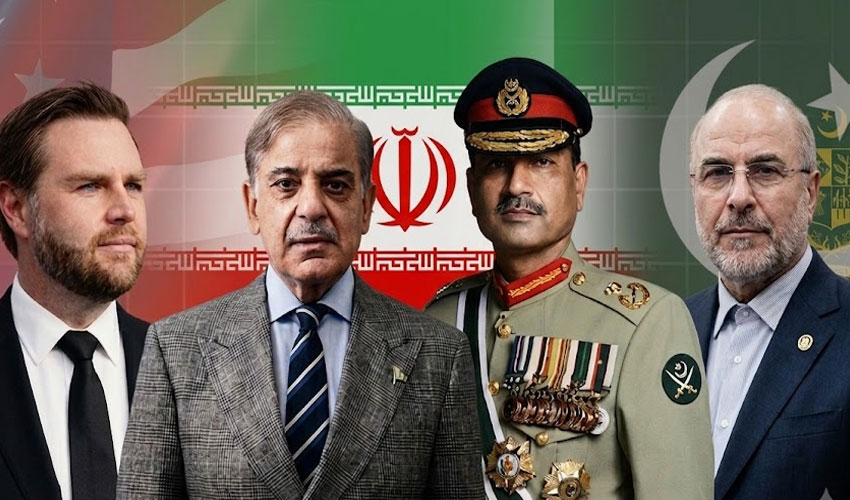
Prime Minister Shehbaz Sharif has arrived in Switzerland with a high-level delegation to take part in the talks.
According to the Prime Minister’s Office, Chief of Army Staff Field Marshal Syed Asim Munir is also accompanying the delegation.
The Foreign Office spokesperson said the Prime Minister will also hold bilateral meetings with participating delegations during the Bürgenstock discussions to support implementation efforts.
Officials said Pakistan’s participation is intended to strengthen diplomatic coordination and ensure progress on the agreement.
US and Iranian delegations in attendance
The United States delegation includes senior officials already present in Switzerland, including Special Envoy Steve Witkoff and presidential adviser Jared Kushner.
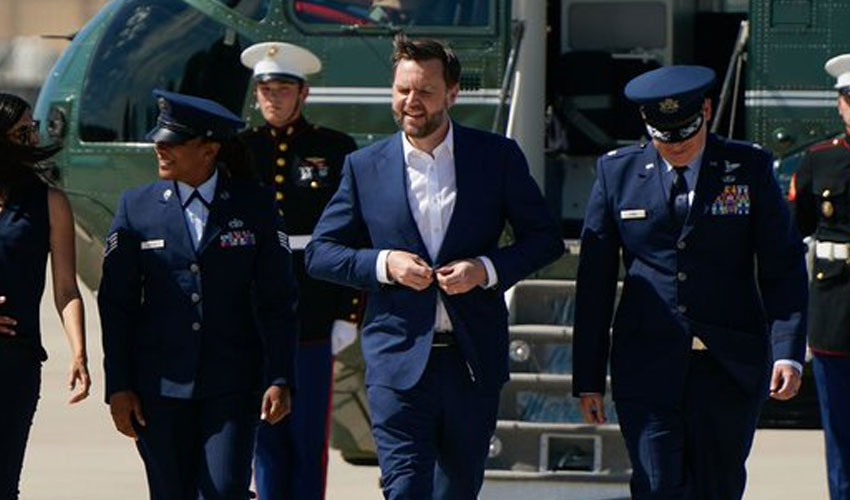
US Vice President JD Vance has also arrived in Switzerland to participate in the negotiations and is expected to stay for one to two days.
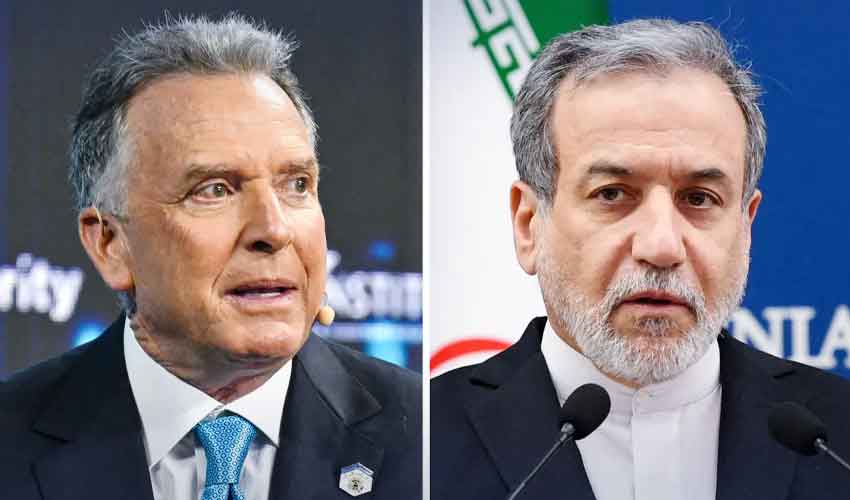
On the Iranian side, a high-level delegation led by Parliament Speaker Mohammad Baqer Qalibaf has reached Switzerland.
The delegation includes Foreign Minister Abbas Araghchi, senior national security officials, and central bank representatives, along with other key members involved in diplomatic and economic affairs.
Iran emphasises 'commitment for commitment' principle
Iranian officials have reiterated that their participation is based on the principle of “commitment for commitment.”
According to Iranian Foreign Ministry spokesperson Esmaeil Baghaei, the visit is focused on reviewing implementation rather than launching a new round of negotiations.
He said progress depends on both sides fulfilling their obligations under the existing agreement.
Focus on nuclear deal
The talks are centered on advancing an interim understanding between Washington and Tehran.
Key issues include Iran’s nuclear programme, sanctions-related concerns, and steps to reduce tensions in conflict-affected regions.
Diplomatic sources say discussions also include efforts to reinforce a fragile ceasefire arrangement linked to ongoing tensions in Lebanon.
Maritime security and Strait of Hormuz on Agenda
The agenda also includes maritime security concerns, particularly around the Strait of Hormuz, along with energy trade and regional shipping routes.
Officials said the goal is to ensure stability in key supply corridors while addressing broader regional security challenges.
Diplomatic coordination is also being supported by regional intermediaries, including Qatar, assisting in communication between both sides.
Venue and diplomatic setting
The talks are being held at the Bürgenstock resort near Lucerne, a high-security diplomatic venue frequently used for international negotiations.
The location was selected for its privacy, security arrangements, and capacity to host multiple high-level delegations simultaneously.

Officials noted that despite earlier logistical delays linked to regional developments, preparations for the meeting continued smoothly.







.jpg)