The first round of negotiations between the United States and Iran is expected to begin in Switzerland following the signing of a historic memorandum of understanding (MoU), as both sides move to convert the interim agreement into a lasting regional settlement.
Senior American and Iranian officials are heading to Switzerland for the talks, which are expected to focus on Iran’s nuclear program, enriched uranium stockpiles, sanctions relief, and a range of technical and financial issues that must be resolved within the 60-day negotiation window established under the agreement.
US Special Envoy for the Middle East Steve Witkoff has departed for Switzerland and is expected to participate in the upcoming nuclear negotiations, according to White House officials.
Jared Kushner, President Donald Trump’s son-in-law and a key figure in the diplomatic process, is already in the Swiss resort of Buergenstock, where preparations for the talks have been underway.
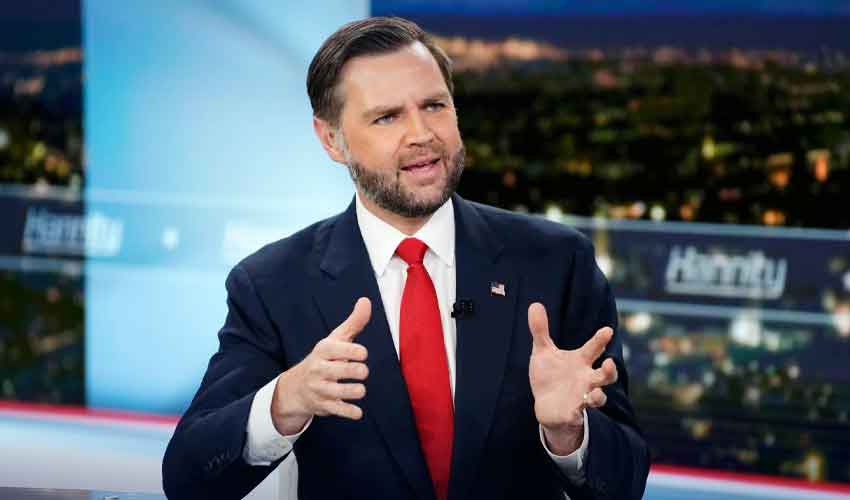
US Vice President JD Vance is also expected to travel to Switzerland. However, White House officials confirmed that Vance had canceled an earlier planned visit due to escalating tensions in Lebanon before the ceasefire was reached.
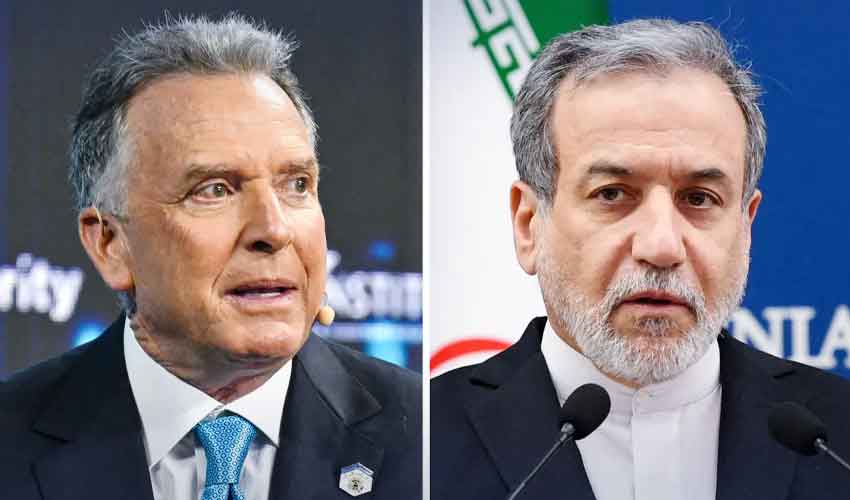
According to US media reports and diplomatic sources, Iranian Foreign Minister Abbas Araghchi is also expected to leave for Switzerland. Tehran has informed mediator countries about his travel plans as preparations for negotiations continue.
Talks delayed amid Lebanon tensions
The first round of US-Iran talks was originally expected to take place on Friday but was postponed due to the deteriorating security situation in Lebanon.
White House officials said the final date and time for the negotiations had not yet been formally announced. The Swiss Foreign Ministry also confirmed that the talks had been postponed, while emphasizing that Switzerland remains ready to facilitate the process and that preparatory work is continuing.
American journalist reports indicated that Iran had made participation in the talks conditional upon the implementation of a ceasefire in Lebanon. Tehran reportedly insisted that any negotiations could proceed only after fighting between Israel and Hezbollah had been halted.
Lebanon ceasefire revives diplomatic momentum
Diplomatic momentum returned after Israel and Hezbollah agreed to a ceasefire on Friday following days of intensified fighting that had threatened to derail the broader peace process.
A senior US official said the ceasefire took effect at approximately 4pm local time in Lebanon after an exchange of fire. Negotiators from the United States and Qatar, with assistance from Iran, helped finalise the agreement.
Two Hezbollah sources and a senior Israeli official separately confirmed the ceasefire.
"If Hezbollah does not attack us, then for us it is not a time of war," an Israeli official said, while adding that Israeli forces would remain deployed in southern Lebanon along the northern border area.
Also Read: Israel, Hezbollah agree to ceasefire: US official
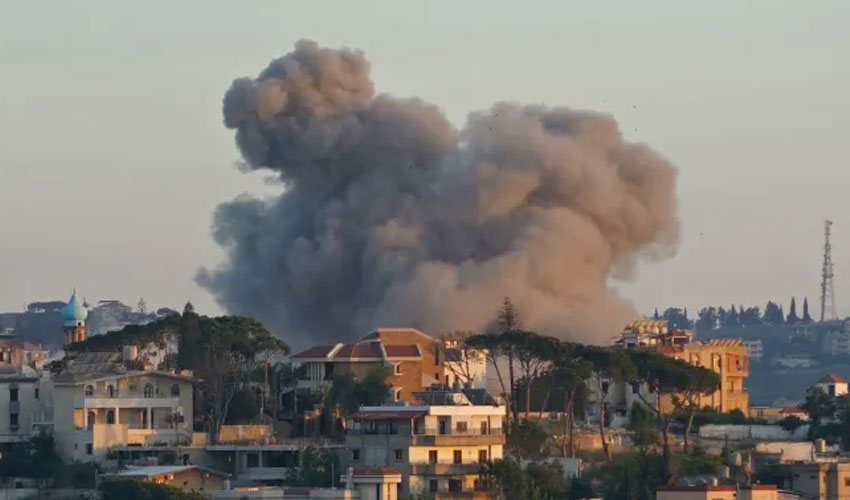
Lebanese security officials reported that Israel carried out around a dozen airstrikes during the first hour after the ceasefire took effect, although no additional strikes were recorded after 5pm.
According to Lebanon’s Health Ministry, Israeli attacks after midnight on Friday killed 47 people and wounded 97 others. Meanwhile, the Israeli military said four soldiers were killed in an incident inside Lebanon.
Nuclear issues expected to dominate negotiations
The negotiations are expected to focus heavily on Iran’s nuclear activities, particularly its stockpile of enriched uranium.
The talks will also address technical arrangements, sanctions relief mechanisms, financial incentives, regional security concerns, and implementation measures outlined in the memorandum signed earlier this week.
The 14-point MoU established a 60-day framework designed to end military hostilities and create conditions for a more comprehensive agreement.
Also Read: Iran says national interests are red line in talks
Under the interim arrangement, the United States, Iran, and their allies committed to an immediate and permanent end to military operations across all fronts, including Lebanon.
Israel, which was not involved in the negotiations, has repeatedly stated that it is not a party to the agreement.
US responsibility for implementation
Iranian Foreign Minister Abbas Araghchi reiterated Tehran’s position during a telephone conversation with Pakistan’s foreign minister on Friday.
According to the Iranian Foreign Ministry, Araghchi stated that the United States would bear responsibility for any violation of commitments made under the agreement, including obligations related to ending hostilities in Lebanon.
The remarks underscore the importance Tehran places on full implementation of the ceasefire as negotiations move forward.
Qatar pushes diplomatic solution
Separately, Qatar’s Prime Minister and Foreign Minister Sheikh Mohammed bin Abdulrahman Al Thani held important meetings with Swiss officials during high-level consultations on regional security.
Qatar reaffirmed its full support for US-Iran negotiations and stressed that diplomacy remains the only viable path to resolving regional conflicts.
Also Read: Trump calls Iran MoU ‘unconditional surrender’ after US-Iran war
Sheikh Mohammed emphasized that accelerating diplomatic efforts is essential for peace, development, and long-term stability across the Middle East.
Qatari officials described the upcoming negotiations as critical for maintaining regional security and preventing further escalation.
Israel-Lebanon talks may also resume
The US State Department said Secretary of State Marco Rubio spoke with Lebanese President Joseph Aoun and reiterated Washington’s support for a fully sovereign Lebanese state.
Rubio also emphasized the need to disarm Hezbollah and discussed plans for a new round of Israel-Lebanon negotiations in Washington between June 23 and 25.
The Lebanese presidency responded by stating that a comprehensive ceasefire remains a fundamental requirement for any future political discussions.
Strait of Hormuz, global markets in focus
The war between the United States, Israel, and Iran, which began on February 28, has killed at least 7,000 people, most of them in Iran and Lebanon.
The conflict disrupted global energy markets after Iran blockaded the Strait of Hormuz, a route that previously carried nearly one-fifth of the world's crude oil and liquefied natural gas supplies.
Following the signing of the memorandum, oil shipments through the strategic waterway have gradually resumed.
Also Read: Iran waives Hormuz transit fees for 60 days under Islamabad MoU
The Iranian authority responsible for managing the strait announced that planned transit fees would be waived during the interim negotiation period.
Brent crude oil prices edged higher on Friday but remained on track for a weekly decline of about 8% after the Lebanon ceasefire reduced fears of prolonged regional conflict.
Sanctions relief, financial incentives key issues
The memorandum includes provisions for easing economic sanctions on Iran, unfreezing assets worth tens of billions of dollars, and granting immediate US waivers for Iranian oil exports.
The agreement also outlines a proposed $300 billion reconstruction and investment fund for Iran alongside other economic incentives intended to support a permanent settlement.
Despite criticism from some lawmakers in Washington, President Donald Trump continued to defend the agreement.
"The War has diminished Iran," Trump wrote on social media, adding, "We didn’t meet out of desperation, Iran did. They are FINISHED! We’ll play out the 60 days. They get no money, not 10 cents!"
His comments came amid criticism from both Democrats and some Republican allies who argue that the administration may have offered excessive concessions in exchange for ending a war that had become increasingly unpopular ahead of November’s midterm elections.