Scientists have issued a fresh warning about the spread of the Oropouche virus, a potentially serious disease that researchers now believe may have infected millions more people than previously estimated.
The virus, sometimes referred to as “sloth fever,” is known for causing sudden illness accompanied by severe joint and muscle pain that can leave patients debilitated for days.
Health experts became increasingly concerned after outbreaks were reported in Brazil and other Latin American countries in 2023, when more than 30,000 cases were officially recorded.
However, two new studies published in the scientific journals Nature Medicine and Nature Communications Medicine suggest that the true scale of infections may be significantly higher than official figures indicate.
Millions may have been infected
According to the researchers, approximately 9.4 million people across Latin America and the Caribbean may have been infected with the Oropouche virus since 1960.
Brazil alone is estimated to have recorded around 5.5 million infections, based on mathematical modeling, historical health records, and blood bank data analyses.
Researchers say the findings indicate that the virus has circulated far more extensively than previously recognized.
“We are facing a disease that appears to be much more widespread than we once believed,” said study co-author José Proença-Modena of the State University of Campinas in Brazil.
He stressed that greater attention and surveillance are needed to understand the virus's long-term impact.
Serious health risks identified
While most infections result in flu-like symptoms, scientists warn that some patients can develop severe complications.
Researchers estimate that roughly one in every 1,000 diagnosed cases may experience serious health problems, including:
- Neurological disorders
- Miscarriages
- Liver complications
- Microcephaly, a condition causing babies to be born with abnormally small heads
Experts say these risks have elevated Oropouche virus to an emerging public health concern.
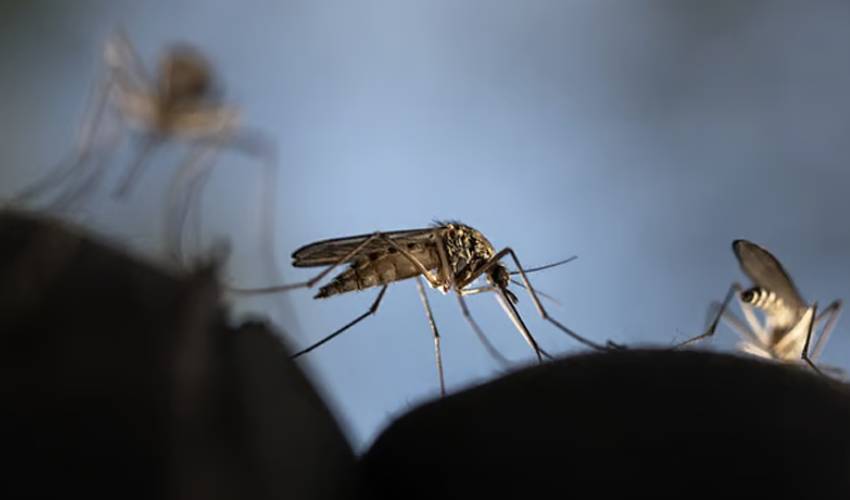
Unlike dengue or malaria, which are primarily spread by mosquitoes, Oropouche virus is transmitted through the bites of tiny insects known as biting midges.
These insects are significantly smaller than mosquitoes, making them difficult to detect and avoid.
Scientists are now calling for stronger monitoring systems, improved diagnostic testing, and greater awareness in affected regions to prevent future outbreaks.