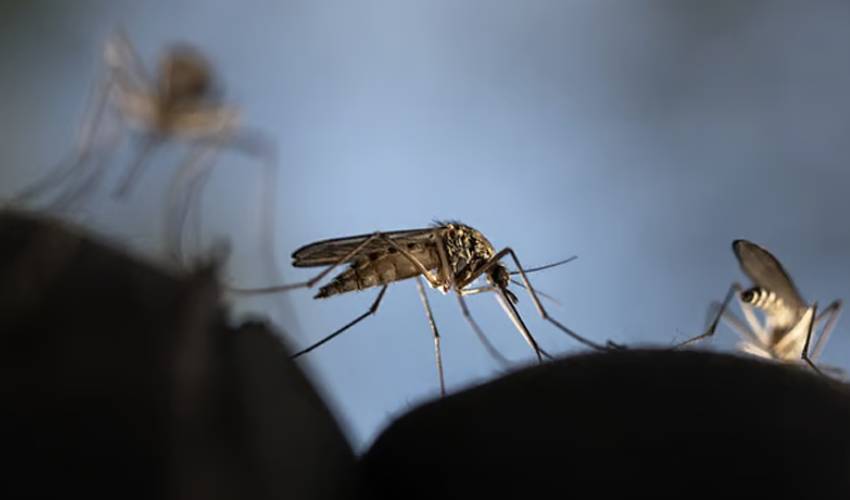
Many people have noticed that mosquitoes seem to target certain individuals while leaving others relatively untouched. According to scientists, this is far from a coincidence.
New research suggests that a combination of body odor, carbon dioxide (CO₂) emissions, skin chemistry, body heat, and even clothing color plays a crucial role in determining who becomes a mosquito's preferred target.
Researchers say mosquitoes use a highly sophisticated biological system to locate and select their next host. Growing scientific evidence indicates that mosquitoes are much more selective than previously believed, relying on a combination of smell, visual cues, temperature, and chemical signals.
Mosquitoes detect carbon dioxide first
According to recent studies, mosquitoes initially identify humans through the carbon dioxide released during breathing.
Once they get closer, an individual's unique body odor determines whether they become a target.
Scientists have identified dozens of skin-related chemicals that influence mosquito behavior. One of these compounds, known as 1-octen-3-ol, is produced when skin oils break down and has been found to strongly attract mosquitoes.
For years, many believed that blood type was the main factor attracting mosquitoes. While some studies suggested that people with blood group O are bitten more frequently, experts now believe that natural body odor plays a far greater role.
Researchers explain that the bacteria living on human skin create a unique chemical signature. Some people naturally produce odors that mosquitoes find more appealing, and genetics also contributes to this process.
A study conducted by researchers at Rockefeller University found that individuals with higher levels of naturally occurring carboxylic acids on their skin attracted significantly more mosquitoes.
Pregnant women and larger adults more vulnerable
Every person exhales carbon dioxide, which female mosquitoes can detect from considerable distances.
People who produce higher amounts of CO₂ — including larger adults, pregnant women, and those who have recently exercised — are often bitten more frequently because they are easier for mosquitoes to locate.
Body heat and skin moisture also help mosquitoes find and land on potential hosts.
Clothing color can make a difference
Research has also shown that mosquitoes are more likely to notice people wearing dark-colored clothing such as black, navy blue, and red, particularly after detecting carbon dioxide.
In contrast, lighter colors such as white and green appear to be less attractive to the insects.
How to reduce mosquito bites
Health experts recommend several measures to protect against mosquito bites, including:
- Using insect repellents containing DEET, picaridin, or natural oils
- Wearing long-sleeved shirts and full-length trousers, especially during dawn and dusk
- Choosing light-colored clothing
- Eliminating standing water where mosquitoes breed
- Installing window screens and using fans indoors
Scientists say mosquitoes are unlikely to disappear anytime soon, but understanding why some people are "mosquito magnets" could help researchers develop more effective repellents and prevention strategies.
The findings may also contribute to efforts to reduce the spread of mosquito-borne diseases such as Dengue Fever, Malaria, West Nile Virus Infection, and Zika Virus Disease.