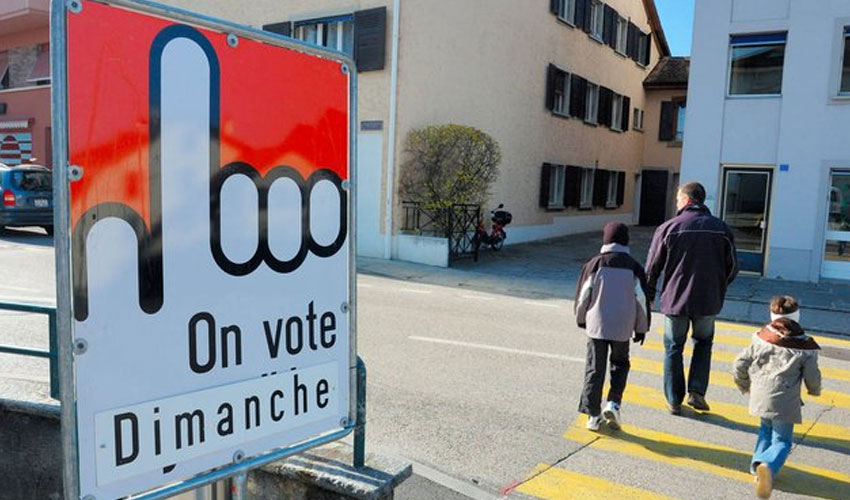
Voters in Switzerland are heading to the polls on Sunday in a nationwide referendum that could set a historic precedent by introducing a legal cap on the country’s population at 10 million.
The proposal has sparked a deep political divide, with supporters calling it necessary for sustainability and critics warning it could damage the economy and isolate the country internationally.
What the population cap proposal says
The initiative, backed by the right-wing Swiss People’s Party, proposes that Switzerland’s population should not exceed 10 million by 2050.
Once the population reaches 9.5 million, the government would be required to take steps to slow growth, including restrictions on asylum approvals and limits on family reunification for foreign workers.
If the cap is reached, Switzerland could be forced to reconsider international agreements, including parts of its EU-linked free movement arrangements.
Sharp political divide over immigration
Supporters argue that rapid population growth is putting pressure on housing, schools, healthcare and transport systems.
They say limiting immigration is essential to maintaining quality of life and protecting public services from overstrain.
Opponents, however, describe the plan as unrealistic and harmful, warning it risks undermining Switzerland’s economic stability and international relationships.
The Swiss government, multiple political parties, business associations and trade unions have all opposed the proposal.
Economy groups warn that the measure could create serious labour shortages, particularly in sectors such as healthcare, hospitality and elder care, where foreign workers make up a significant portion of staff.
Business leaders also caution that limiting immigration could strain Switzerland’s relationship with the European Union, its largest trading partner.
Immigration at the center of debate
Switzerland’s population has grown from 7.3 million in 2002 to about 9.1 million today, with nearly 27% of residents born abroad.
Supporters of the initiative say this growth has contributed to overcrowding, rising rents and rising healthcare costs.
Critics argue these issues are driven by broader economic and policy challenges, not immigration alone.
Divided public opinion
Polls suggest a closely contested vote, with slight indications that opponents of the plan may have a narrow lead.
However, a large number of undecided voters could still swing the outcome either way, making it one of the most uncertain referendums in recent Swiss history.
The debate has also highlighted personal divisions within Swiss politics.
Young politicians from immigrant backgrounds have taken opposing positions on the issue, reflecting the broader national split over identity and migration policy.
Supporters argue Switzerland has “lost control” of immigration, while opponents warn that blaming migrants oversimplifies complex issues like housing and healthcare costs.








.gif)
.jpg)