Iran has significantly strengthened defenses around its stockpile of near bomb-grade uranium in recent weeks, according to sources familiar with US intelligence, adding new challenges to ongoing negotiations between Tehran and Washington over the future of Iran’s nuclear program.
The reported measures come as the United States and Iran move closer to a possible agreement that could require Tehran to hand over its enriched uranium for destruction and removal.
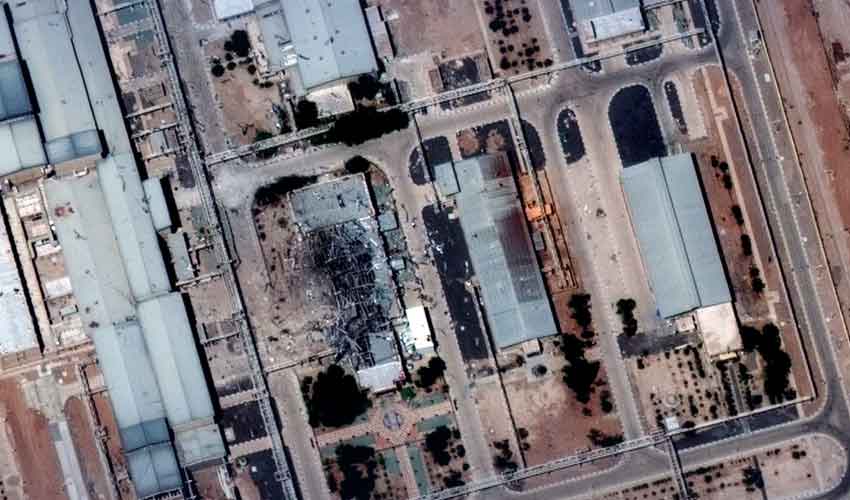
According to five sources familiar with US intelligence assessments, Iran has deliberately collapsed tunnels and booby-trapped entrances with explosive mines around locations believed to contain roughly half a ton of highly enriched uranium.
The move has reportedly made access to the material far more difficult, dangerous and time-consuming than it was only a month ago, when US President Donald Trump was publicly discussing the possibility of using military force to seize the uranium.
Sources said the new fortifications add another layer of complexity to any effort to remove or destroy the material under a future agreement.
Questions emerge over uranium removal
The reported defensive measures raise questions about who would ultimately carry out the difficult task of retrieving the uranium.
Even Iranian authorities themselves could face major challenges in accessing the material, according to sources, as excavation would require heavy equipment and extensive de-mining operations.
Experts say the process would involve significant safety risks and could take considerable time to complete.
US, Iran move closer to agreement
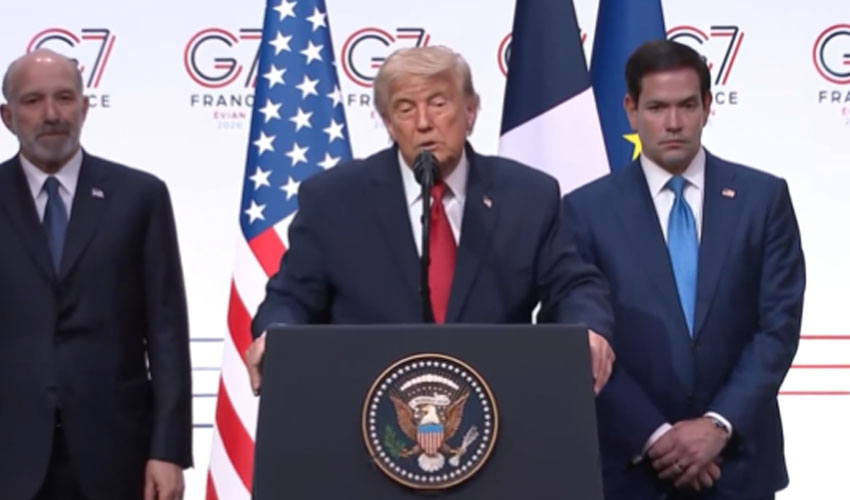
Trump has repeatedly said securing Iran’s enriched uranium remains a key priority in negotiations aimed at ending the conflict and reopening the Strait of Hormuz.
A senior US administration official told reporters on Friday that Washington and Tehran were moving closer to a deal under which Iran would surrender its enriched uranium.
According to the official, the material would be destroyed at the site and then removed from the country. However, US and Iranian officials have offered differing descriptions of the tentative agreement, and its final terms remain unclear.
Leaked draft deal sparks controversy
The uncertainty surrounding the negotiations increased after what was described as a draft agreement was leaked to a semi-official Iranian news agency on Friday.
The reported leak triggered a sharp reaction from President Trump on social media.
Despite optimism about a possible breakthrough, negotiators are expected to continue technical discussions regarding the future of Iran’s nuclear program even if a broader agreement is signed in the coming days.
Experts warn retrieval could become more difficult
Scott Roecker, who led the National Nuclear Security Administration’s Office of Nuclear Material Removal from 2017 to 2021, said the reported fortifications could significantly complicate efforts to retrieve highly enriched uranium.
“If this reporting is true, it would definitely complicate retrieving the HEU,” Roecker said.
He warned that if negotiators require Iran to gather all uranium stockpiles in one location for verification and disposal, Tehran would bear responsibility for recovering and presenting the full inventory.
Roecker expressed concern that Iran could potentially claim some uranium was inaccessible or irretrievable, creating uncertainty over whether all material had been accounted for.
“We wouldn’t have full confidence that Iran couldn’t retain access to it at some point in the future,” he said.
Isfahan believed to hold most stockpile
According to international assessments, most of Iran’s highly enriched uranium is believed to be stored in collapsed tunnels at the Isfahan nuclear complex in central Iran.
Additional quantities are believed to be located at other facilities across the country.
Sources said the US military had prepared a possible operation in mid-May to seize the nuclear material, but the plan was ultimately deemed too risky.
Since then, Iran is believed to have strengthened protection around the underground sites even further. President Trump has previously acknowledged the difficulty of retrieving the uranium through military action.
Speaking to Fox News in May, Trump said he doubted Iran would be able to access the buried material without being detected by US intelligence.
“We know exactly what’s happening,” Trump said. “Nobody’s even gotten close to it.”
However, some sources suggested that public discussions about the uranium may have encouraged Iran to strengthen defenses around its stockpiles.
Technical negotiations after agreement
Even if Tehran and Washington finalize an agreement next week, additional technical negotiations are expected to continue afterward.
The talks would focus on the future of Iran’s nuclear program and the practical steps needed to remove or neutralize the enriched uranium.
According to reports, removing the uranium from Iran could require deploying a specialized mobile uranium-processing facility operated under the National Nuclear Security Administration at Oak Ridge National Laboratory in Tennessee.
CNN previously reported that senior US negotiators Jared Kushner and Steve Witkoff visited the laboratory earlier this month. Experts say even the world’s leading nuclear-removal specialists would need substantial time to complete the operation.
Trump recently told reporters that the process of removing the uranium would likely take at least two weeks.
No immediate response from Iran
Iran’s diplomatic delegation to the United Nations did not immediately respond to requests for comment regarding the reported fortifications. The White House also did not immediately comment on the intelligence claims.
As negotiations continue, the future of Iran’s uranium stockpile remains one of the most sensitive and technically challenging issues facing both sides.


.gif)
.jpg)