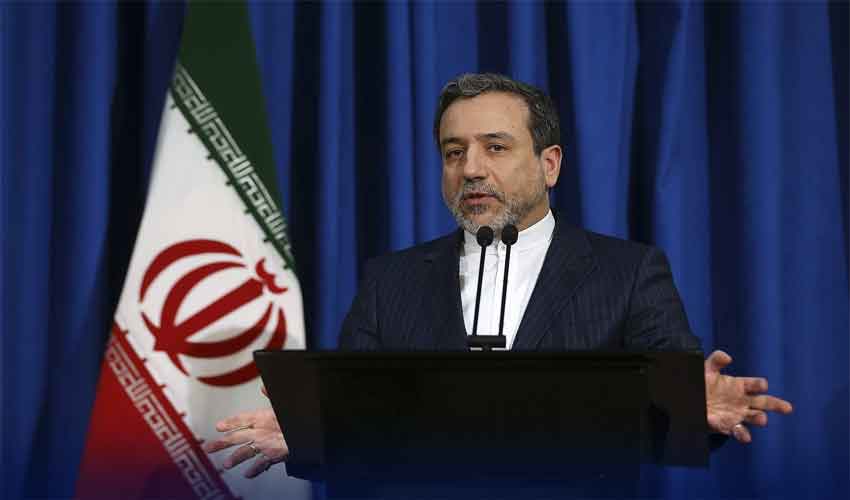
Iranian Foreign Minister Abbas Araghchi has said that a memorandum of understanding with the United States to end the ongoing war could be signed within the next few days, but warned that nuclear talks would only begin after the interim deal is fully implemented.
Speaking in an interview with Iran’s state-run IRIB TV on Friday night, Araghchi said the proposed MoU had not yet been signed and changes in its terms or text were still possible.
Araghchi said Iran had faced “two major wars in one year” and had emerged stronger after what he described as extraordinary resistance by the Iranian people.
“They thought they would destroy us,” he said, adding that Iran would not bow to pressure and that the series of US threats must stop.
Also Read: PM Shehbaz announces Iran, US agree on final peace deal
According to Araghchi, the first phase of the peace process would involve signing a two-page memorandum of understanding. Once finalized, it would initially be signed digitally by both sides from their respective countries before a formal announcement.
He said in-person signing would take place once the final stage was completed.
Nuclear talks linked to interim deal
The Iranian foreign minister made it clear that nuclear issues would be discussed only at a later stage. He said if the interim agreement was not implemented, there would be no nuclear talks and no final deal.
After the MoU is signed, both sides would enter a second stage of negotiations within a 60-day period to work toward a final agreement focused mainly on Iran’s nuclear program and sanctions removal. Araghchi said an extension would also be possible if no final agreement was reached within 60 days.
Also Read: Iran's Araghchi says Isamabad MoU 'closer than ever'
He stressed that Iran’s preferred and only acceptable solution for dealing with its highly enriched uranium was to dilute it inside Iran, adding that enriched uranium would not be sent to any other country.
Hormuz reopening, US blockade included
Araghchi said the interim agreement would include reopening the Strait of Hormuz, ending the US naval blockade of Iranian ports and releasing Iran’s frozen assets.
“The US must lift the blockade of the Strait of Hormuz. This is our first point in the agreement,” he said.
He added that management of the Strait of Hormuz would not return to the pre-war era. Iran, he said, would retain sovereignty and military presence, while a legal system consistent with international law would be established.
Also Read: Washington says Iran agreed to deal terms; Tehran flatly denies
Araghchi said Iran was consulting with Oman and China on arrangements for the strait. He described Hormuz as one of Iran’s key instruments of deterrence and said Iran’s “eyes will always be on the Strait of Hormuz.”
He clarified that Iran was not seeking tolls on ships but said reasonable service charges could be imposed for passage.
War to end on all fronts, including Lebanon
The Iranian foreign minister said the interim deal would also announce the end of war on all fronts, including Lebanon. He said ending the war in Lebanon would require Israel to withdraw from occupied territories and stressed that Israel would have to leave Lebanon.
Araghchi said enemies of the agreement, especially Israel, were trying to derail the process.
“This agreement has enemies, foremost among them the Zionist regime,” he said, warning that Israel was looking for excuses to sabotage the potential deal.
US, Pakistan also signal progress
The United States and Iran have both signaled that an agreement to end the war is close, with mediator Pakistan also saying progress has been made.
A senior US official told Reuters that negotiators were close to the finish line and that the deal could be signed in the coming days. Once signed, it would begin 60 days of talks on technical aspects of the agreement.
The US official said the agreement would include Iran’s commitment not to develop or procure nuclear weapons, reopening the Strait of Hormuz to normal oil traffic and lifting the US blockade.
Also Read: 'Fake news': Trump slams Iran over peace deal leak
However, the official said the release of frozen Iranian assets would depend on whether Iranian leaders fulfilled the requirements laid out in the deal.
Prime Minister Shehbaz Sharif said a “final, agreed upon text” of a US-Iran peace deal had been reached and that Pakistan was working closely with both sides to finalize the next steps.
Geneva seen as likely venue
A Western source quoted by Reuters said the deal could be signed as soon as Sunday by US Vice President JD Vance and Iranian Parliament Speaker Mohammad Bagher Ghalibaf, with Geneva seen as the most likely venue.
Also Read: Trump cancels planned strikes on Iran
Araghchi had earlier described the framework, known as the “Islamabad Memorandum of Understanding,” as closer than ever.
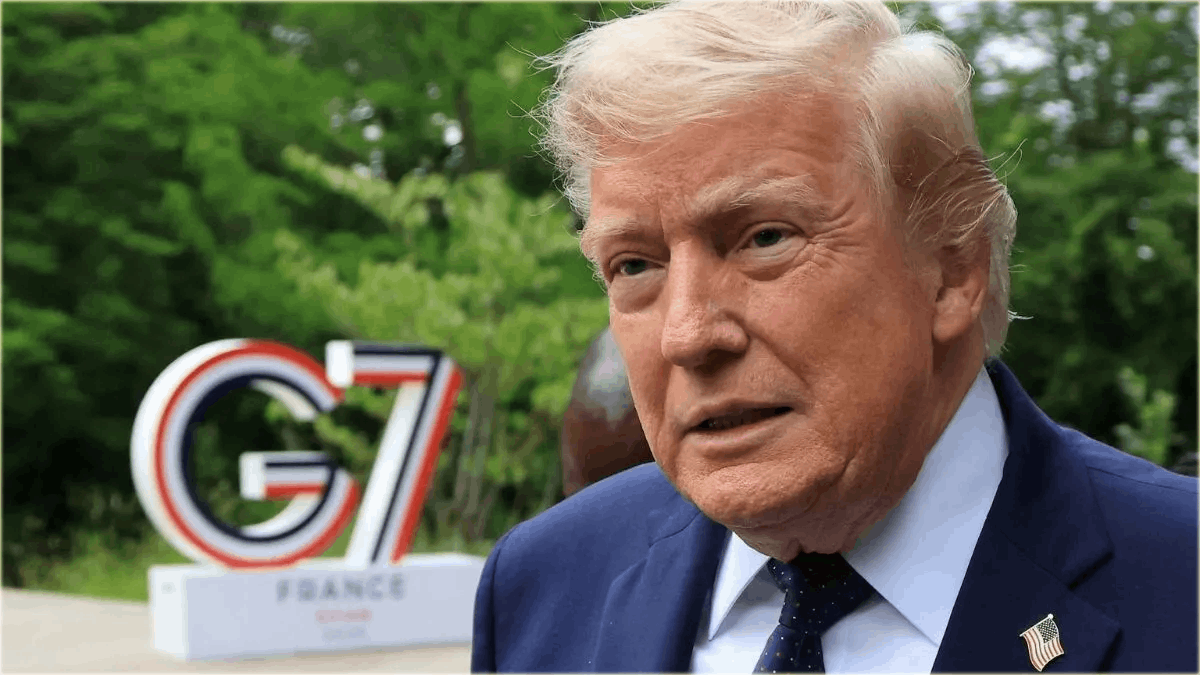
US President Donald Trump said on Thursday that he had called off planned strikes on Iran and claimed that a deal to end the war could be signed soon.
Israel rejects role in agreement
Israel, which launched the war alongside the United States, has not been part of the negotiations.
Israeli Prime Minister Benjamin Netanyahu said his country would not be party to the agreement, adding that he and Trump were in “full agreement” on preventing Iran from obtaining nuclear weapons.
Over recent weeks, Iran and the US have exchanged several peace proposals through Pakistan’s mediation as both sides work to finalize the MoU.


.gif)
.jpg)