Political consultations have intensified following the Gilgit-Baltistan elections, as the Pakistan Peoples Party (PPP) weighs its options for forming the next government in the region.
While discussions are underway regarding a possible coalition between the PPP and the Pakistan Muslim League-Nawaz (PML-N), senior PPP leaders have reportedly advised the party leadership against including the PML-N in the government.
PPP leaders oppose including PML-N
According to sources, several senior PPP leaders have conveyed their views to the party leadership, recommending that the PML-N not be made part of the future government in Gilgit-Baltistan.
The leaders believe the PPP has sufficient strength to form the government with the support of independent members.
Sources said party representatives have informed the leadership that “our numbers are complete” and that independent lawmakers can be included to secure a stable administration.
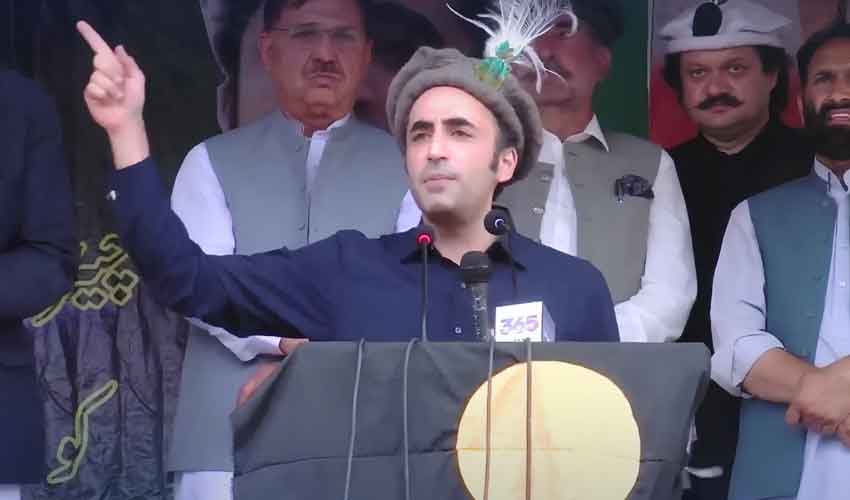
Bilawal to make final decision
Sources said PPP Chairman Bilawal Bhutto-Zardari will make the final decision regarding the formation of the government in Gilgit-Baltistan. Party leaders have also advised Bilawal that both the chief minister and governor positions in Gilgit-Baltistan should remain with the PPP.
According to sources, Bilawal is expected to visit Gilgit in the coming days as consultations on government formation continue.
Coalition formula under consideration
At the same time, efforts to build a coalition government have also gained momentum following the election results.
Sources said the leaderships of the PPP and PML-N, which emerged as the two major parties in the Gilgit-Baltistan elections, are considering a proposal based on a pre-determined power-sharing formula similar to arrangements used at the federal and provincial levels.
Under the proposed formula, the office of chief minister would go to the PPP, while the position of governor would be allocated to the PML-N.
Proposed 60-40 formula for ministries
Sources further revealed that ministerial portfolios could be distributed between the two parties under a 60-40 formula.
If agreed, the arrangement would see the PPP holding a larger share of provincial ministries while the PML-N would receive the remaining positions as part of a coalition setup.
The proposal remains under discussion and no final decision has yet been announced by either party.
The contrasting viewpoints within the PPP highlight the complexity of the government formation process in Gilgit-Baltistan.
With coalition talks ongoing and internal consultations continuing, all eyes are now on Bilawal Bhutto Zardari, whose decision is expected to determine whether the PPP forms a government independently with the support of independents or moves forward with a power-sharing arrangement alongside the PML-N.

.gif)
.jpg)