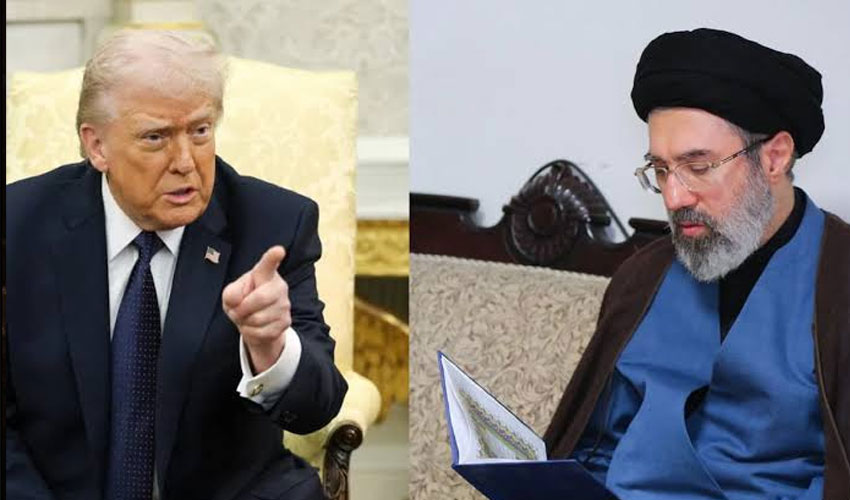
The United States is reportedly exploring the use of Iranian assets to fund reconstruction in Gulf countries affected by recent attacks.
The move comes as military exchanges between US and Iranian forces continue despite ongoing ceasefire talks.
The proposal could further strain already fragile diplomatic efforts in the region.
The United States government is planning to assess whether Iranian assets can be redirected to repair damage in Gulf states, according to a source familiar with the matter.
The proposal reportedly involves Scott Bessent, who has directed teams within the Treasury Department to estimate the cost of damage caused by Iranian attacks on US allies in the Gulf.
Officials are also reportedly considering using Iranian assets for any future destruction linked to the ongoing conflict.
Ceasefire pressures
The development comes shortly after Iranian officials raised demands for access to frozen funds as part of potential peace negotiations.
An adviser to Iran’s Supreme Leader had previously suggested that a settlement could depend on the release of billions of dollars in blocked Iranian assets.
The new US consideration could add pressure on already stalled peace efforts between Washington and Tehran.
The announcement comes amid continued hostilities in the Gulf region involving Iran and US forces.
According to military reports, US forces recently shot down multiple Iranian drones targeting maritime routes in the Strait of Hormuz.
Iranian forces, meanwhile, have reportedly launched strikes toward Kuwait and Bahrain, escalating regional security concerns.
Strikes on Gulf States
Iran’s Revolutionary Guard has claimed retaliatory strikes against US-linked positions in Kuwait and Bahrain.
Kuwaiti authorities confirmed intercepting multiple ballistic missiles, while Bahrain reported air raid sirens and emergency alerts during the attacks.
Both governments later condemned the strikes, citing risks to civilian areas.
Diplomatic efforts
Despite escalating tensions, diplomatic channels remain active through third-party mediation.
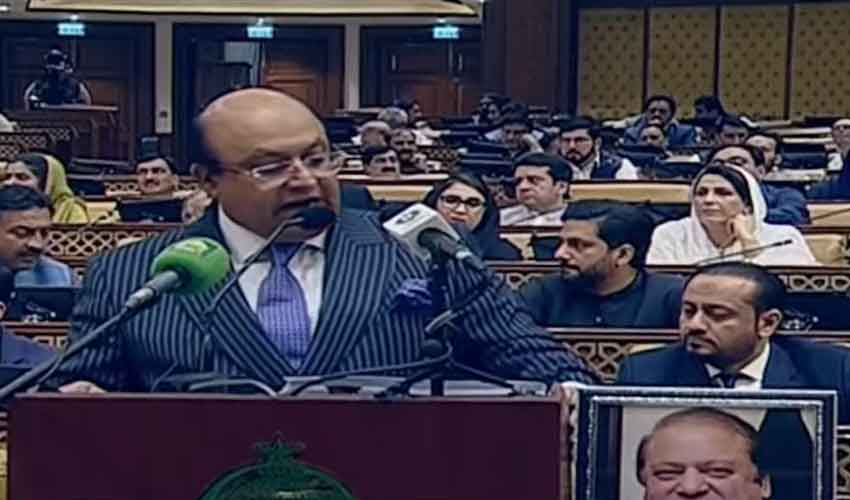
A Pakistani minister reportedly visited Tehran carrying a message from senior leadership aimed at encouraging dialogue.
The visit highlights Pakistan’s continued role as a regional intermediary amid stalled negotiations.
The US military has stated that its forces intercepted several Iranian missiles and drones targeting its positions in the Gulf.
Washington maintains that its operations are aimed at protecting maritime security and allied infrastructure in the region.
The ongoing exchange of strikes has raised concerns about broader instability in global energy routes.
The conflict has contributed to rising oil prices and disruptions in supply chains, including humanitarian logistics.
Analysts warn that continued instability in the Strait of Hormuz could impact global energy markets significantly.




.gif)
.jpg)