The war in Iran entered its second week amid intensifying violence and uncertainty. U.S. President Donald Trump declared he will only accept Tehran’s “unconditional surrender,” while Israel expanded attacks into Lebanon, displacing hundreds of thousands.
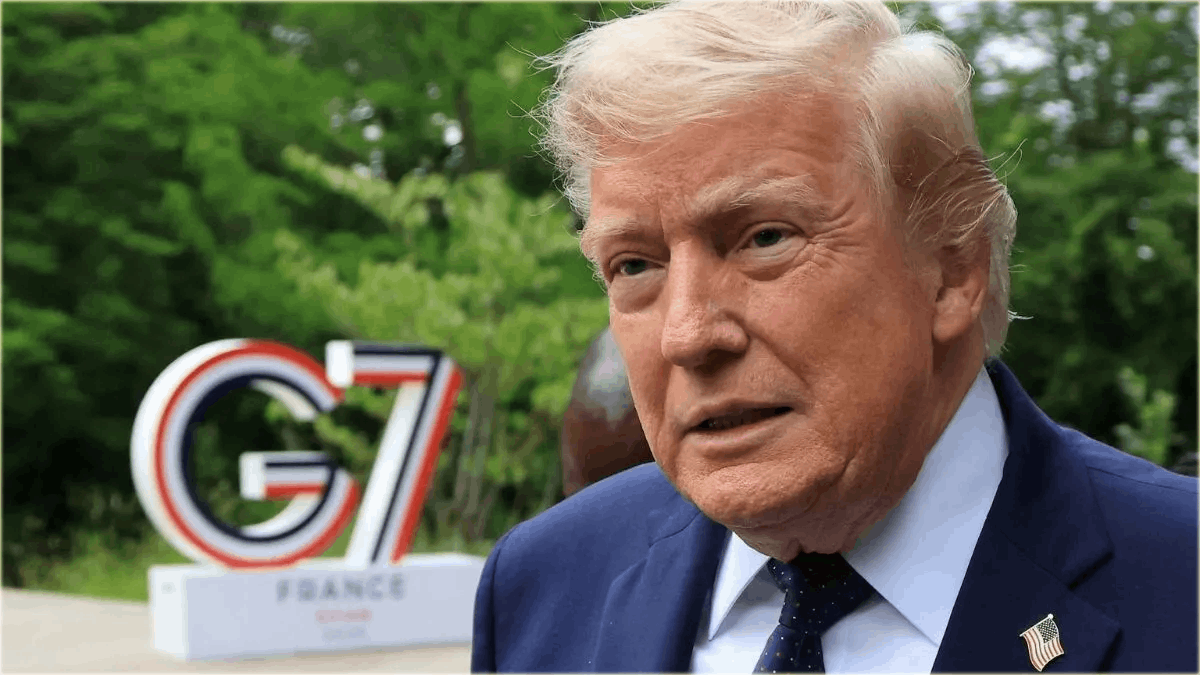
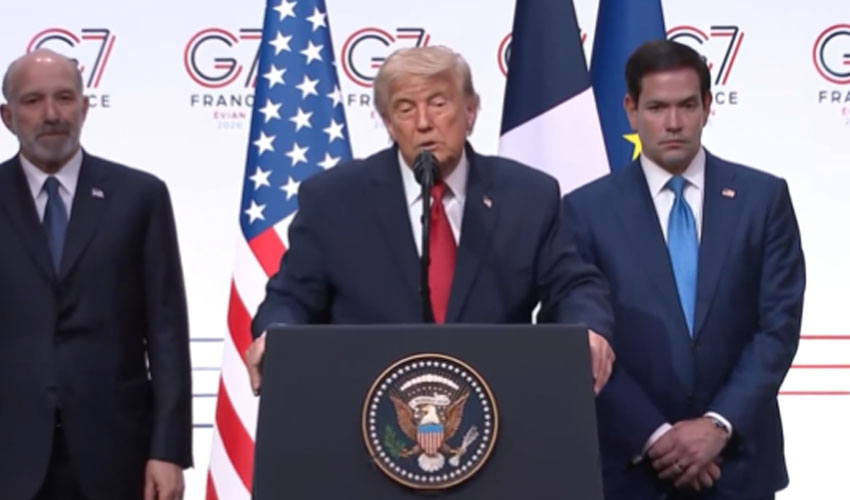
President Trump took to social media to insist that no deal with Iran will be accepted except “UNCONDITIONAL SURRENDER.”
He added that following Iran’s capitulation and the selection of “great and acceptable leaders,” the U.S. and its allies would work to restore Iran’s economy.
Trump has offered shifting explanations for his war aims, raising fears of a prolonged regional conflict.
The conflict has spread beyond Iran’s borders. Israel has targeted both Iranian and Lebanese sites, including Hezbollah positions in Beirut, prompting an unprecedented evacuation of the city’s southern suburbs.
Explosions were reported across Israel as defenses intercepted Iranian missiles and drones. The UAE, Kuwait, Qatar, Bahrain, and Saudi Arabia also faced fresh attacks.
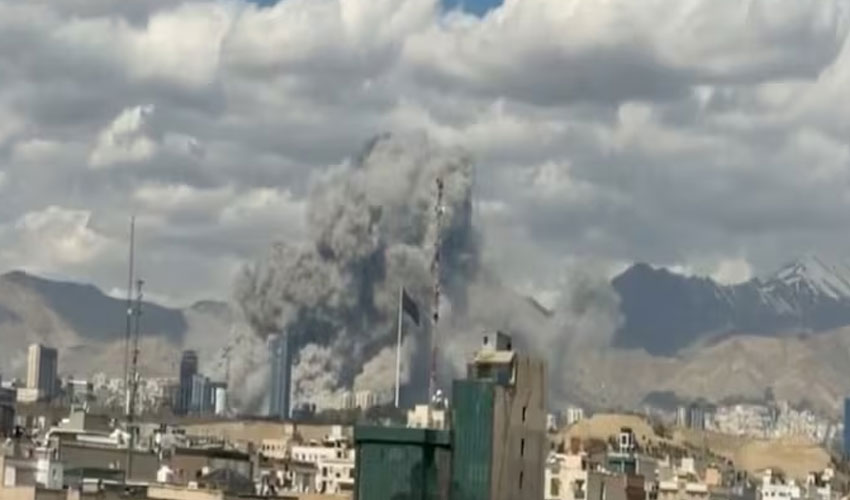
Iran retaliated with strikes on Israel and Gulf states hosting U.S. military installations. Mehrabad Airport in Tehran was reportedly hit early Saturday, though no official comment was issued by Iran’s Revolutionary Guard.
Humanitarian toll mounts
Iran’s U.N. envoy, Amir Saeid Iravani, reported that 1,332 Iranian civilians have died since February 28. In Lebanon, at least 123 people were killed and over 680 wounded due to Israeli attacks. Iranian attacks on Israel have killed 11 people, while at least six U.S. service members have also died.
About 300,000 residents of southern Beirut have been displaced in the past four days, seeking refuge in downtown streets, cars, and beaches.
Trump has claimed he should have a say in appointing Iran’s new leadership after Supreme Leader Khamenei was killed. Iran’s UN ambassador rejected this, emphasizing that leadership selection will follow constitutional procedures.
Israel has openly aimed to overthrow Iran’s ruling system, supporting Kurdish militias near the frontier and bombing western Iran. Russian intelligence reportedly provided Iran with U.S. military locations after Iranian tracking capabilities were degraded.
The White House confirmed that U.S. defense contractors have agreed to accelerate weapons production to support ongoing operations, which are expected to last four to six weeks.
Markets reacted sharply to the escalating conflict. European and U.S. stock indexes tumbled, and oil prices surged to multi-year highs as the Strait of Hormuz — a critical shipping lane — faced disruptions.




.gif)
.jpg)