The year 2025 redefined the “New Normal,” with trends that went beyond viral moments to reshape global consumer habits.
From food fads to tech lifestyle shifts, these phenomena became lasting cultural and commercial staples.
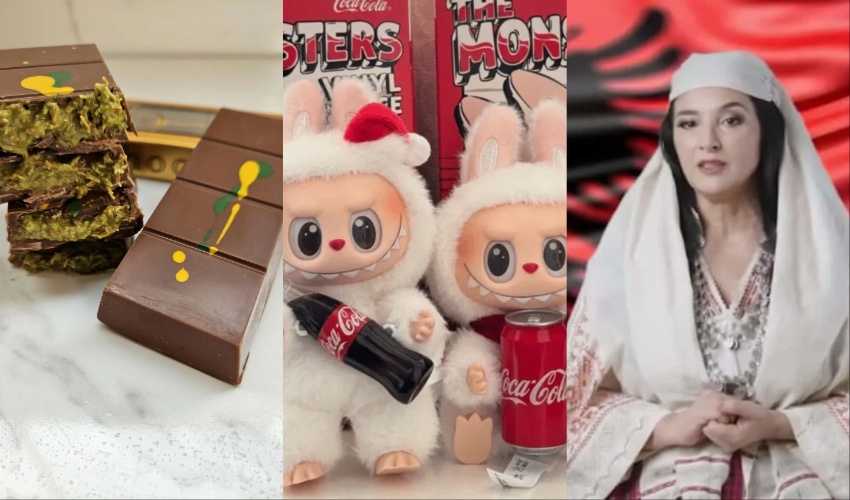
The Dubai chocolate
The pistachio-stuffed Kunafa chocolate bar by Fix Dessert Chocolatier became the food obsession of 2025.
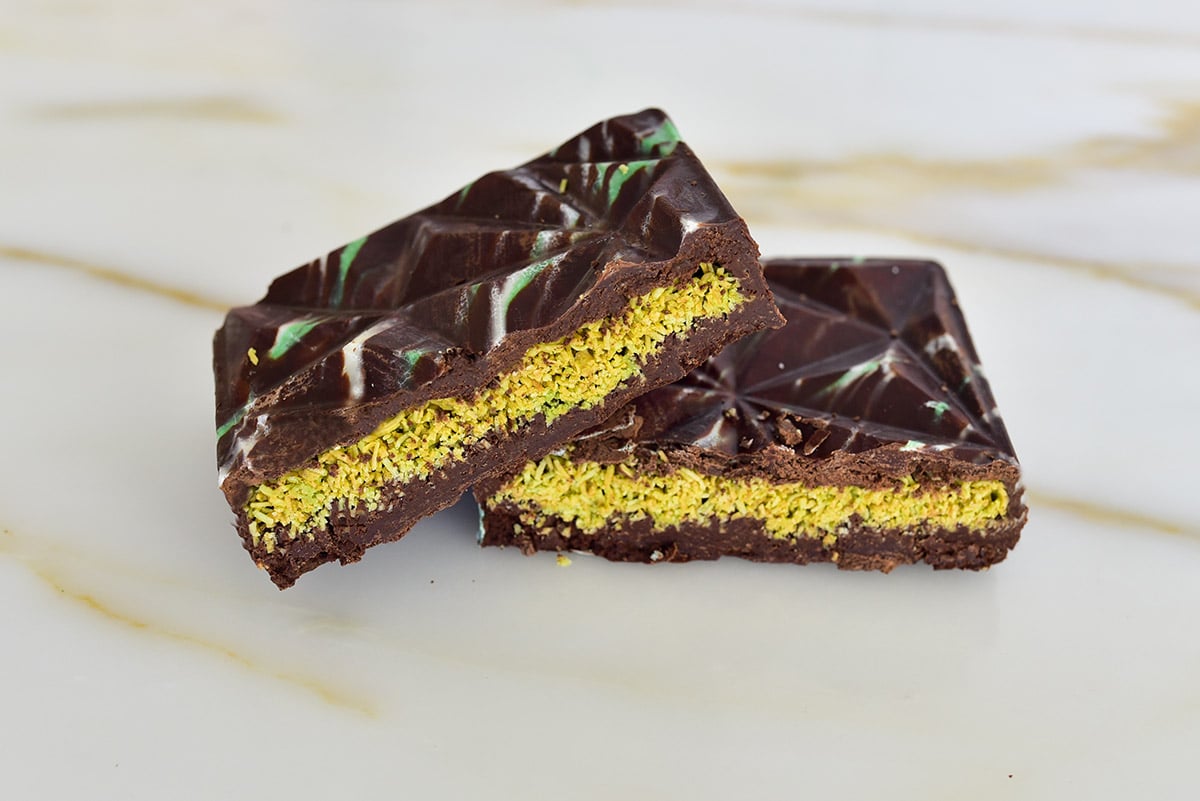
Its viral popularity caused a 30–35% spike in global pistachio prices and inspired countless TikTok and Instagram Reels “copycat” recipes. What started as a local dessert trend turned into an international culinary phenomenon.
The ‘Dumbphone’ uprising
Gen-Z embraced a major lifestyle shift by moving away from high-end smartphones toward basic 2000s-style keypad phones.
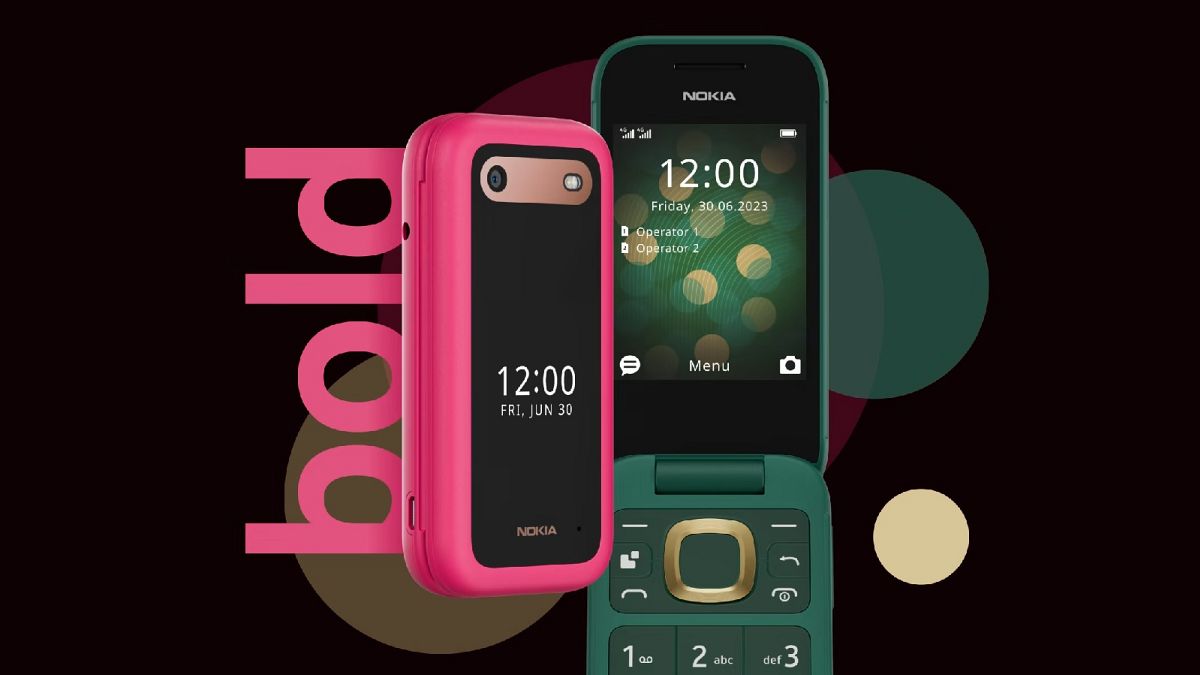
Fueled by mental health awareness and social media burnout, this digital detox movement led to a 40% increase in minimalist device sales, signaling a growing demand for simplicity over constant connectivity.
The rise of ‘Labubu’
Labubu “Monster” dolls evolved from niche collectibles to global status symbols. Blind-box culture, combined with influencer endorsements, drove retail frenzies and created a billion-dollar secondary market.
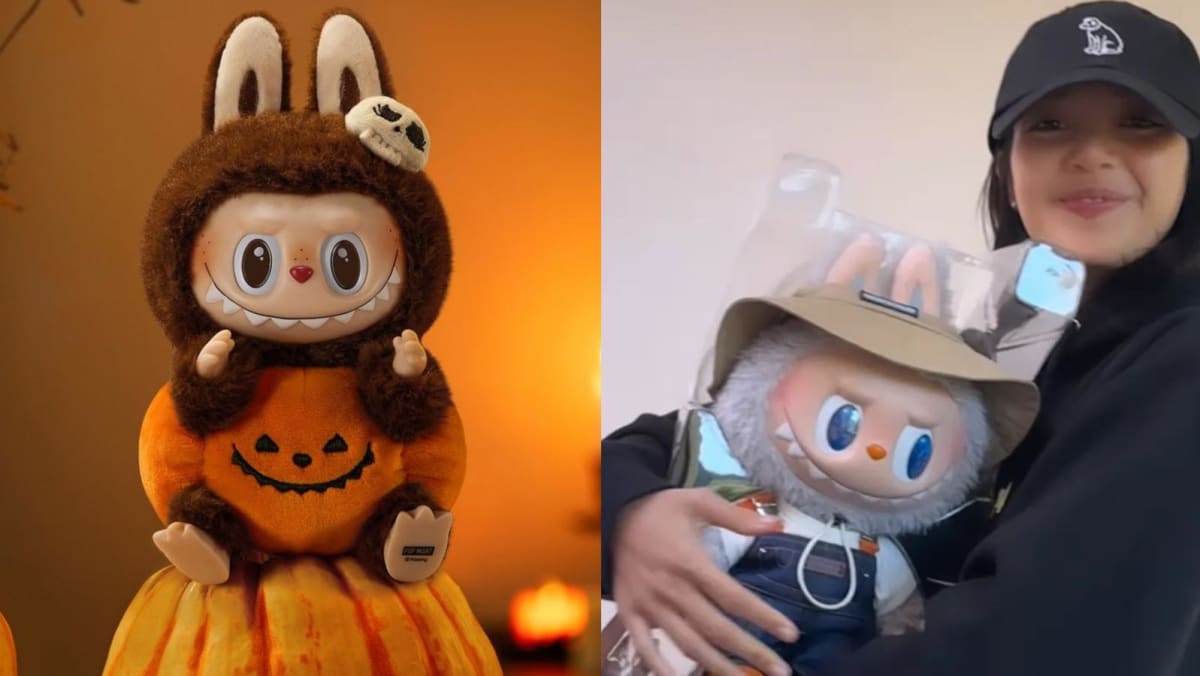
Collecting these dolls became a cultural phenomenon, demonstrating how fandoms can translate into serious commerce.
Albania’s AI minister
Albania made headlines by appointing an AI avatar, ‘Diella,’ to a ministerial position. This bold move showcased the potential of integrating AI into public policy and governance, prompting global discussions on digital intelligence in leadership and establishing a new political trend.

Sustainable ‘bio-fashion’ standard
The fashion industry underwent a radical sustainability shift in 2025. Luxury and mainstream brands at Paris and Milan Fashion Weeks replaced traditional leather with mushroom and fruit-waste alternatives.
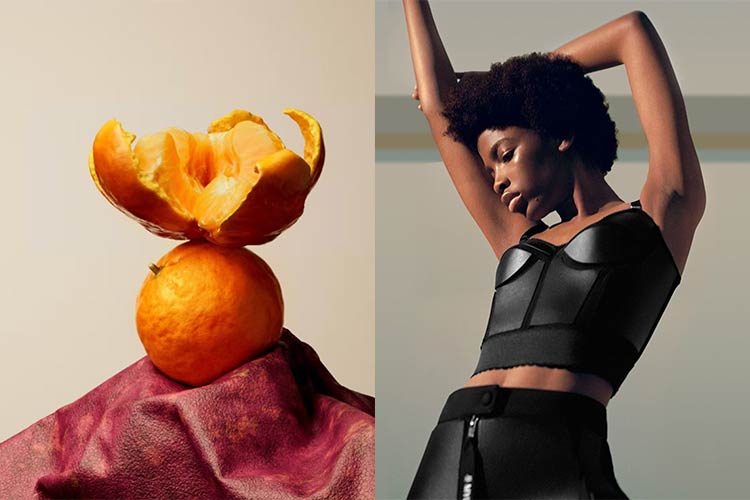
‘Bio-Fashion’ emerged as a commercial standard, proving that eco-friendly innovation can be both trendy and profitable.








.gif)

.jpg)