Ukraine says a “common understanding” has been reached with the U.S. on a proposed peace framework aimed at ending the war with Russia.
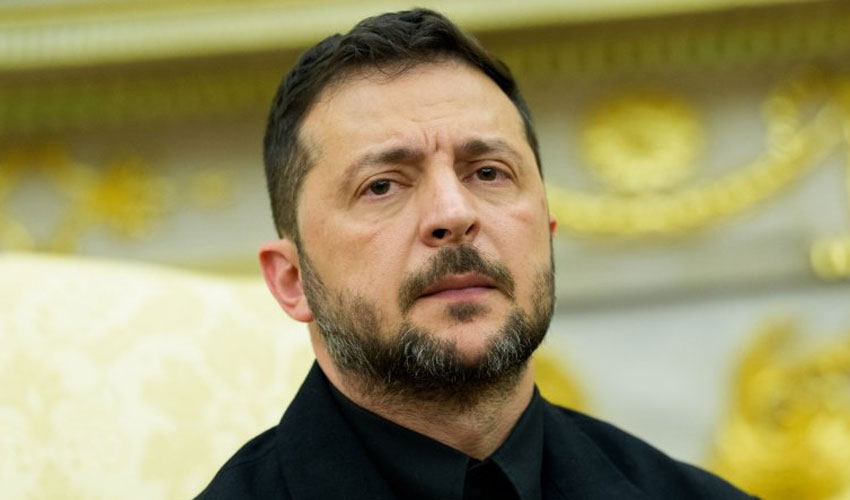
Ukrainian President Volodymyr Zelensky expressed readiness to meet President Donald Trump to finalize outstanding issues, while U.S. special envoy Steve Witkoff prepares to meet Russian President Vladimir Putin.
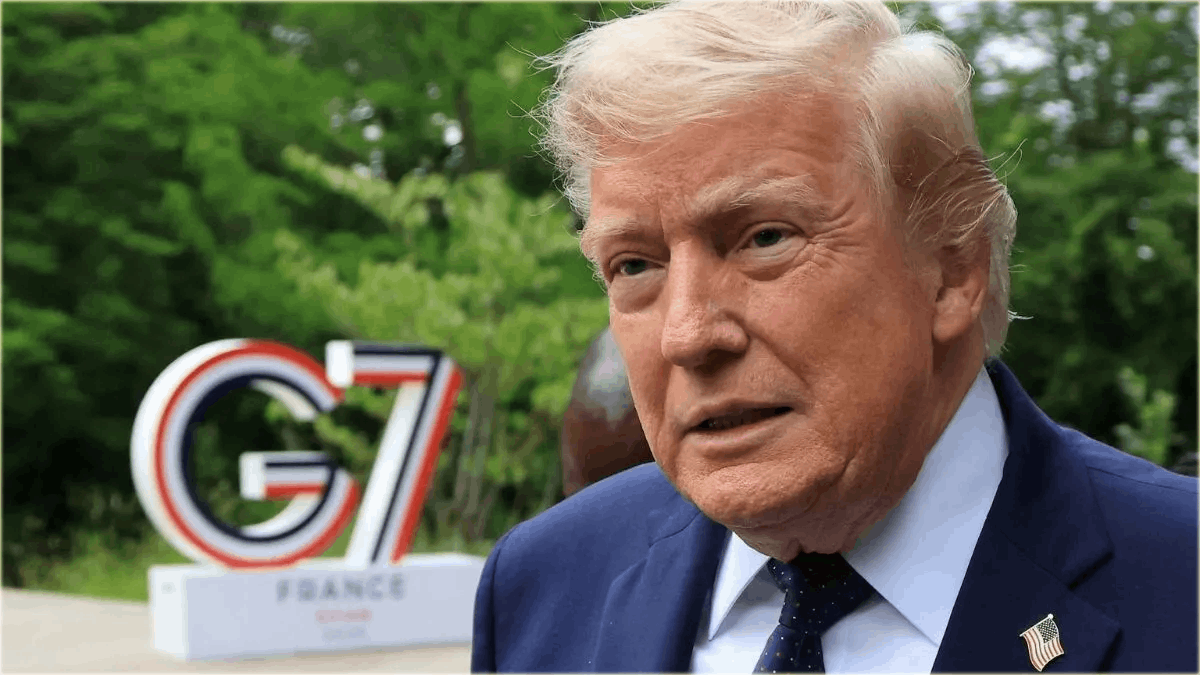
The U.S.-backed framework, initially presented to Kyiv last week, was developed jointly by American and Ukrainian officials during weekend talks in Geneva. Trump said the plan “has been fine-tuned, with additional input from both sides” and described the original draft as “just a map” rather than a final agreement.
Zelensky confirmed that some provisions had been removed, leaving a streamlined version for further discussion. He emphasized the importance of including Ukraine in security decisions and ensuring Europe’s involvement in any peacekeeping or reassurance efforts.
US envoys to meet Russia and Ukraine
Trump has directed his special envoy Steve Witkoff to travel to Moscow next week for discussions with Putin. Meanwhile, U.S. Secretary of the Army Dan Driscoll is expected to meet Ukrainian officials in Kyiv. The president stressed that negotiations will continue until the agreement is finalized, with no fixed deadline.
“The deadline for me is when it’s over,” Trump said, adding that only a few remaining points remain unresolved. He also noted that the deal would involve land concessions “both ways” and efforts to “clean up the border.”
Key issues still under debate
Despite progress, several critical points remain contentious. Moscow has yet to receive the updated draft, with Russian officials warning that changes to the initial U.S. proposal could make it unacceptable. Security guarantees for Ukraine and control over eastern regions—including Donetsk, Luhansk, Kherson, and Zaporizhzhia—remain major sticking points.
European leaders, including French President Emmanuel Macron and UK Prime Minister Keir Starmer, have expressed skepticism, cautioning that a ceasefire may still be far off. A coalition of willing allies, with U.S. participation, is exploring frameworks for a potential peacekeeping force in Ukraine.
In a speech to European allies, Zelensky highlighted that security decisions must involve Ukraine directly. “When something is decided behind the back of a country or its people, there is always a high risk it simply won’t work,” he said. He reiterated the importance of ongoing European support alongside the U.S. to ensure any peace plan is sustainable.



.gif)

.jpg)