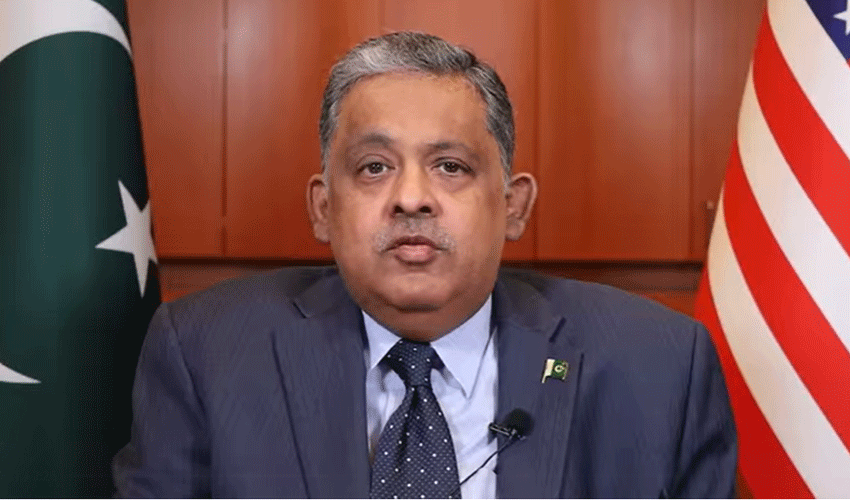
Pakistan’s Ambassador to the United States Rizwan Saeed Sheikh has reaffirmed that Pakistan’s ties with Washington are rooted in necessity, not preference, emphasising that cooperation between the two nations is crucial for regional and global stability.
Speaking at the Future Security Forum 2025 in Washington, Ambassador Sheikh described the Pakistan-US relationship as “vital to peace and progress,” stressing that both countries have long collaborated on shared global challenges, including counterterrorism, climate change, and regional security.
He said, “Between the two mega countries of today and tomorrow—good relations are not a matter of choice or preference; they are indispensable.”
The 11th Annual Future Security Forum, co-hosted by Arizona State University and New America, gathered policymakers, defence experts, and scholars to discuss emerging global threats.
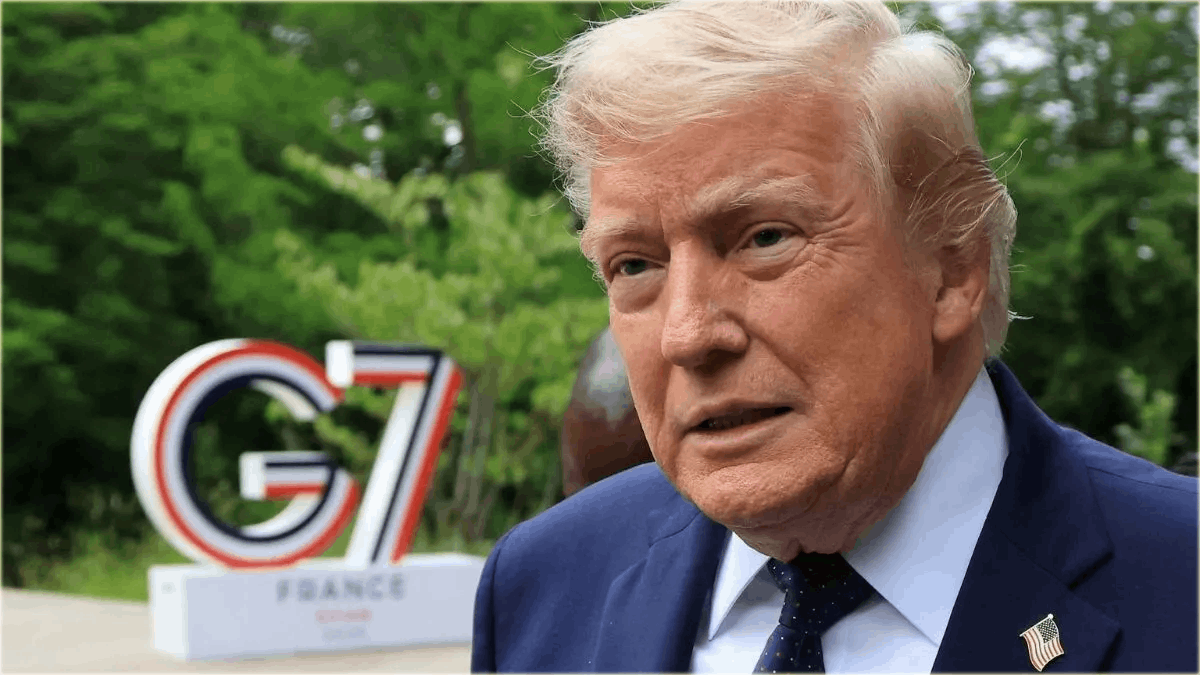
Ambassador Sheikh expressed gratitude to President Donald Trump for facilitating the ceasefire that ended the 88-hour standoff, calling it a “vital act” that prevented escalation “in a nuclear neighbourhood of 1.7 billion people.”
He reiterated Pakistan’s commitment to diplomacy and pragmatic economic policies, asserting that Islamabad seeks stability and dialogue in its approach to both domestic and regional issues.
Climate resilience and economic security
Discussing Pakistan’s climate crisis, Sheikh called it an existential threat rather than an abstract concern. He highlighted that repeated floods have reversed economic gains and destroyed infrastructure, underscoring the need for global climate cooperation.
“What we build every few years is washed away by floods, but we still must pay back what we borrowed to rebuild,” he remarked, linking climate diplomacy directly with economic resilience.
Reaffirming Pakistan’s stance on Kashmir
Addressing regional peace, the envoy reaffirmed Pakistan’s principled position on the Kashmir dispute, urging UN-backed mediation to help the Kashmiri people exercise their right to self-determination as per UN Security Council resolutions.
He emphasized that peace in South Asia remains impossible without resolving this long-standing issue, warning that continued silence on the matter risks regional stability.
Rejecting camp politics
Ambassador Sheikh dismissed notions of “camp politics,” asserting that Pakistan’s foreign policy prioritizes balance and engagement.
“Our relationship with China didn’t start yesterday, and it’s not ending tomorrow,” he said, stressing that the China-Pakistan Economic Corridor (CPEC) should be seen through an economic lens, promoting connectivity and prosperity, not geopolitical rivalry.
He also recalled Pakistan’s historic role in facilitating rapprochement between Washington and Beijing, expressing readiness to play a similar bridging role today.
Afghanistan and regional stability
Condemning cross-border terrorism from Afghanistan, Sheikh said Pakistan had suffered deeply from terrorism and remains committed to addressing it “resolutely but diplomatically.”
On Afghan refugees, he clarified that only undocumented or illegal residents were being repatriated, stressing Pakistan’s intention to ensure “a dignified return” and visa-based border movement consistent with international norms.
Commenting on the Ukraine conflict, the ambassador welcomed U.S.-led peace initiatives under President Trump, voicing optimism that diplomacy could bring an end to the prolonged war.





.gif)
.jpg)