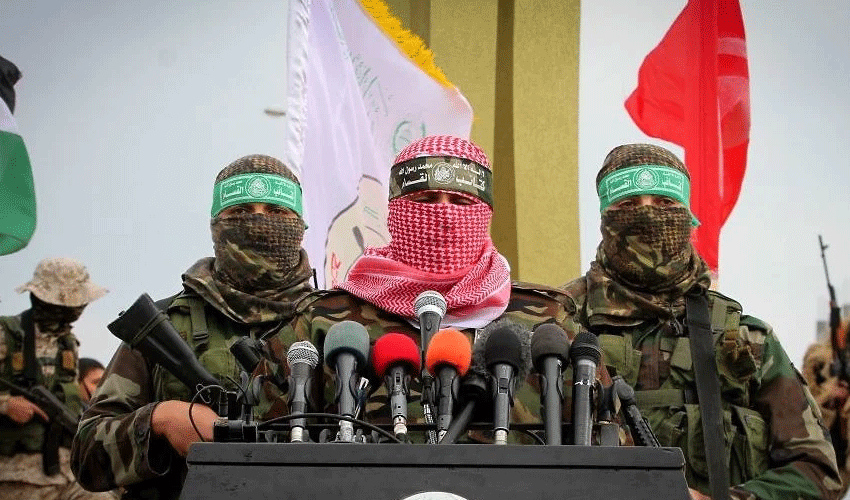
Hamas has reiterated its refusal to disarm unless an independent and fully sovereign Palestinian state with Jerusalem as its capital is established, rejecting what it termed "false claims" of willingness to lay down arms made by US officials.
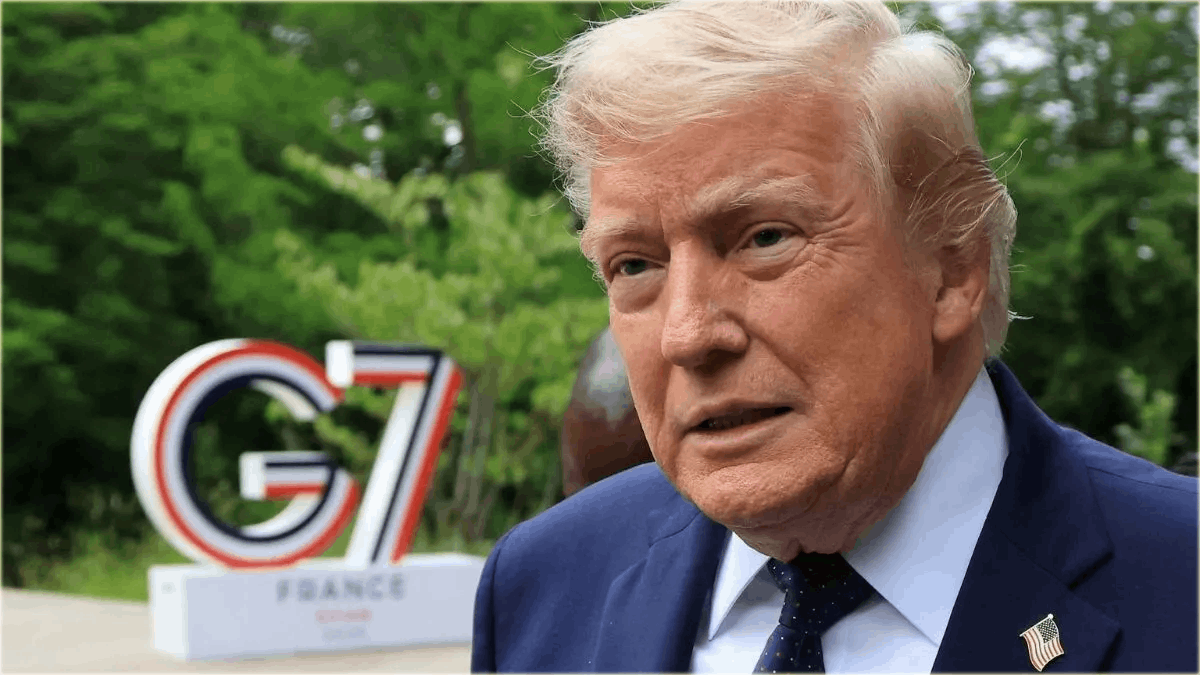
The statement came in response to remarks attributed to US President Donald Trump's Middle East envoy, Steve Witkoff, who reportedly said the group had expressed readiness to surrender its weapons as part of indirect ceasefire talks. Hamas dismissed the claim, reaffirming its "right to resistance" in the absence of a viable Palestinian state.
Disarmament of the group remains one of Israel's central demands in ongoing negotiations, which have faltered in recent days despite renewed international engagement. Talks have also aimed at securing the release of hostages still being held in Gaza, but the impasse continues amid deteriorating humanitarian conditions in the besieged territory.
Hamas’ statement follows mounting pressure from Arab and Western governments for the group to relinquish control of Gaza and engage in a political settlement. Several Western nations — including France and Canada — have signalled readiness to recognise Palestinian statehood, a move the UK said it could support should Israel fail to take meaningful steps by September.
Designated a terrorist organisation by the US, UK, and EU, Hamas asserted it would not abandon its arms without political guarantees. “The resistance will not give up its weapons except as part of a comprehensive national agreement that ensures a fully sovereign Palestinian state with Jerusalem as its capital,” the group said.
Meanwhile, Israel’s military chief, Lt Gen Eyal Zamir, warned there would be no let-up in operations if negotiations did not yield the release of hostages. On Saturday, tensions escalated after Hamas released a video showing Israeli hostage Evyatar David in deteriorating health, prompting an outcry from his family.
Speaking at a protest site in Tel Aviv, Witkoff urged a comprehensive deal to end the conflict and bring hostages home, rather than a limited arrangement. He also met with Prime Minister Benjamin Netanyahu and inspected an aid distribution centre in southern Gaza that has come under international criticism for failing to prevent violence and chaos.
UN agencies continue to warn of a "man-made famine" in Gaza, with more than 1,370 Palestinians reportedly killed while attempting to access food since late May. Most deaths occurred near distribution sites backed by Israel and the US-based Gaza Humanitarian Foundation, according to UN data. The Israeli military denies targeting civilians, blaming Hamas for creating disorder.
The Israeli offensive in Gaza began following the October 7 attack led by Hamas on southern Israel, which left around 1,200 people dead and 251 taken hostage. In the months since, over 60,000 people have reportedly been killed in Gaza, while at least 169 — including 93 children — have died of malnutrition, according to Gaza health ministry.

.gif)
.jpg)