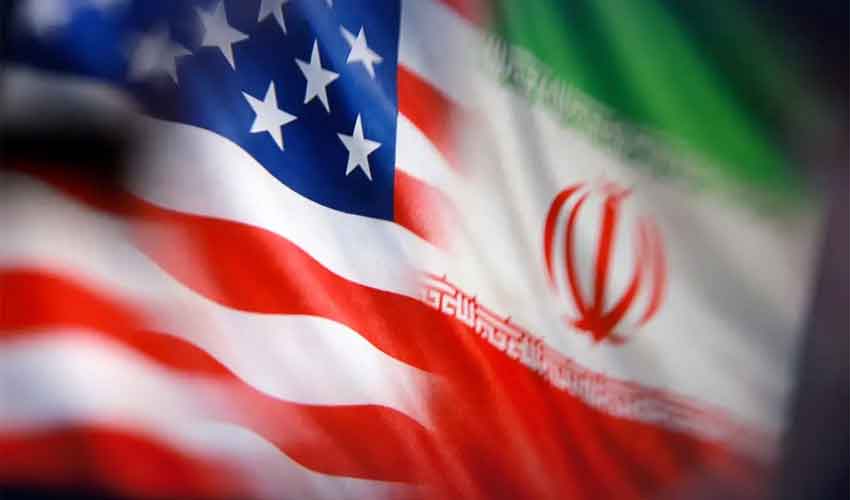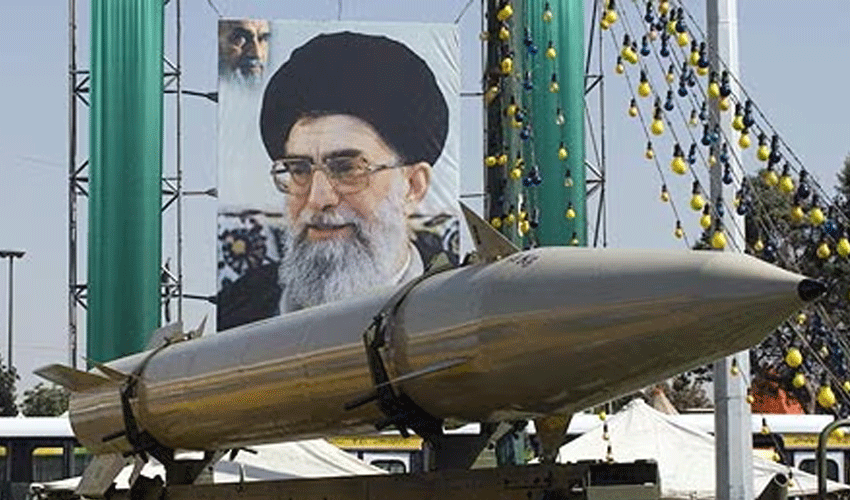
Iran and three key European nations could resume negotiations as early as next week over Tehran’s nuclear programme, according to a report by Iran’s semi-official Tasnim news agency on Sunday.
Citing an informed source, Tasnim stated that while the principle of holding the talks has been agreed upon, discussions are still ongoing regarding the precise time and location. "The country in which the talks could be held next week has not been finalised," the report added.
The possible revival of talks follows a warning from the E3 — Britain, France, and Germany — that failure to return to the negotiating table could trigger the reimposition of United Nations sanctions on Iran through the so-called “snapback mechanism”.
The development comes shortly after the foreign ministers of the E3 nations and the European Union's foreign policy chief held their first conversation with Iranian Foreign Minister Abbas Araqchi since the recent Israeli and US strikes on Iranian nuclear facilities. The attacks, carried out a month ago, significantly raised tensions in the already fragile Middle East.
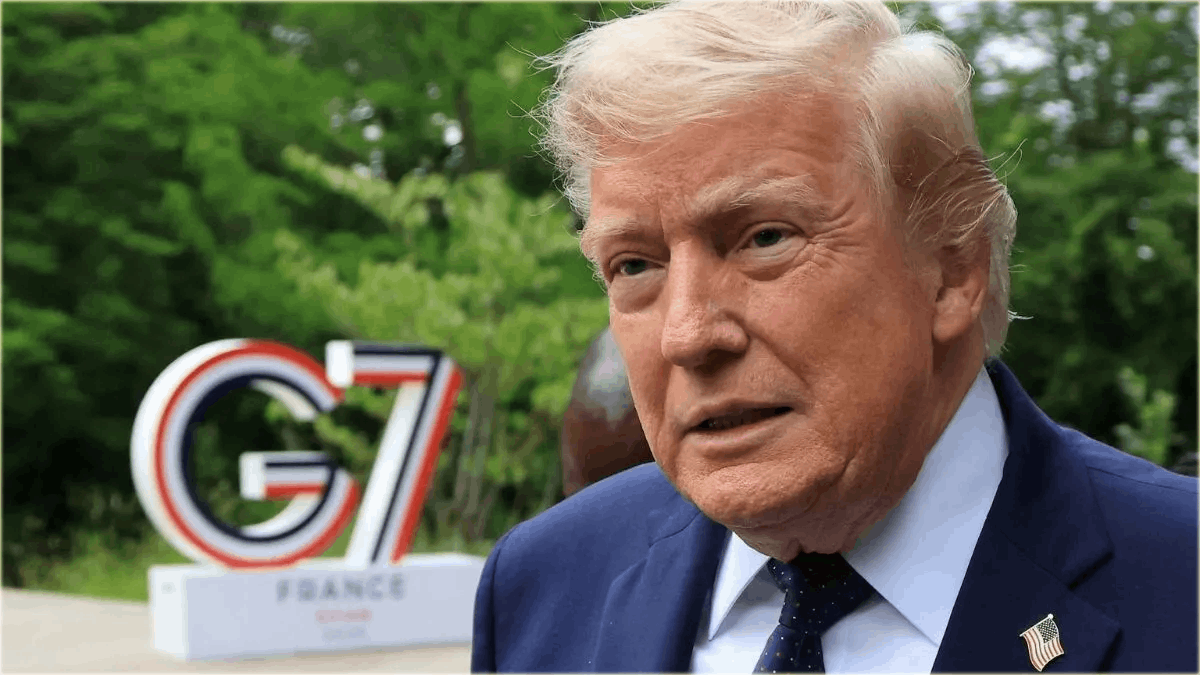
The E3, along with China and Russia, remain signatories to the 2015 Joint Comprehensive Plan of Action (JCPOA), a landmark deal that saw Iran curb its nuclear activities in exchange for relief from international sanctions. The United States unilaterally withdrew from the agreement in 2018 under former president Donald Trump, reimposing sanctions and prompting Tehran to scale back its commitments.
Araqchi, in a statement earlier this week, cautioned the European bloc against using coercive measures. “If EU/E3 want to have a role, they should act responsibly, and put aside the worn-out policies of threat and pressure, including the ‘snap-back’ for which they lack absolutely any moral and legal ground,” he said.
The snapback provision allows for the reinstatement of UN sanctions should Iran be found in significant non-compliance with the terms of the nuclear deal. The mechanism must be activated before the Security Council resolution endorsing the JCPOA expires on October 18.
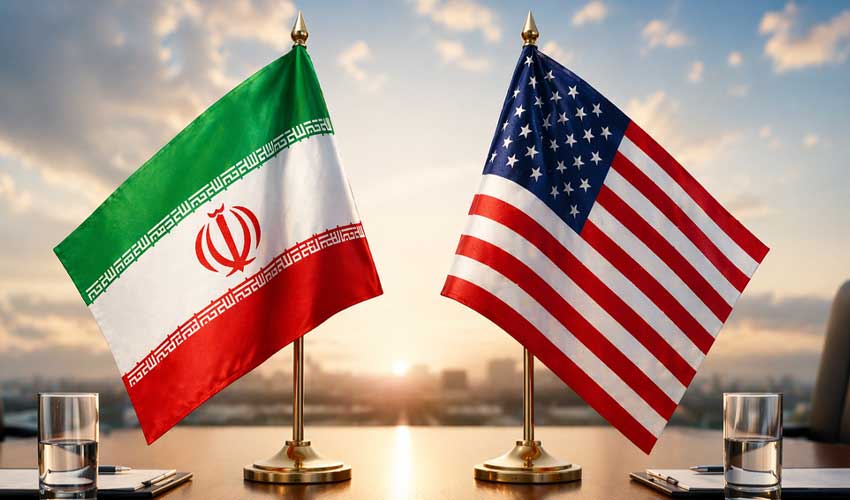
Before the outbreak of hostilities between Iran and Israel, Tehran and Washington had engaged in five rounds of indirect nuclear negotiations mediated by Oman. However, talks stalled over key sticking points, most notably Iran’s uranium enrichment levels, which Western countries seek to reduce to minimise the potential for weaponisation.
Iran continues to insist that its nuclear programme is entirely peaceful and intended for civilian purposes.


.gif)
.jpg)