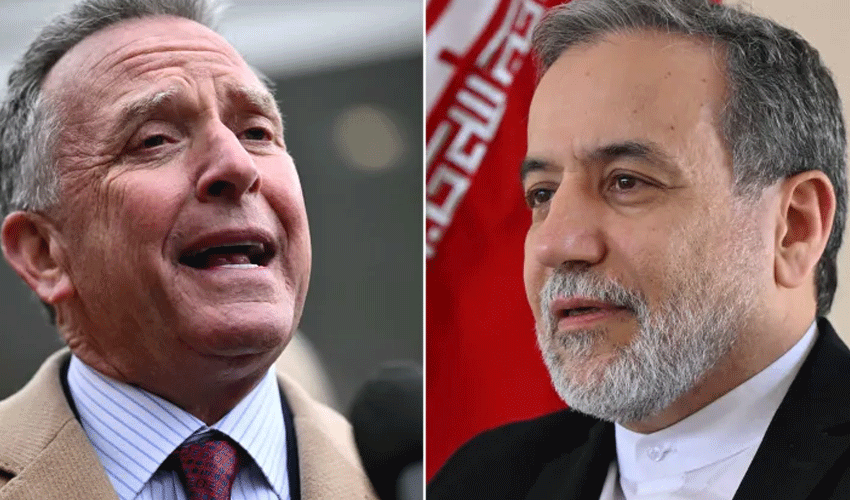
Amid rising tensions in the Middle East, Iranian Foreign Minister Abbas Araqchi and US special envoy Steve Witkoff have engaged in a series of direct phone conversations over the past week in an attempt to ease the crisis triggered by Israel’s ongoing strikes on Iranian territory, diplomatic sources told Reuters.
The discussions mark the most substantive direct engagement between Washington and Tehran since indirect nuclear talks resumed in April. According to three diplomats familiar with the matter, the latest contacts were initiated by Washington and reflect a renewed push to defuse the volatile situation through diplomatic channels.
The diplomats, speaking on condition of anonymity due to the sensitivity of the matter, said Tehran has made it clear that it will not return to formal negotiations unless Israel halts its military operations, which began on June 13.
Araqchi is reported to have told Witkoff that Iran “could show flexibility on the nuclear issue” if the U.S. were to pressure Israel into ending its military campaign.
The statement was echoed by a regional diplomat close to Tehran, who confirmed the Iranian stance hinges on an immediate cessation of Israeli strikes.
The discussions also touched upon a U.S. proposal from late May, which suggested the creation of a regional consortium to enrich uranium outside of Iran — a plan that Tehran has so far rejected. No official comment has been issued by either U.S. or Iranian authorities regarding the ongoing discussions.
Renewed nuclear dialogue?
The conversations come at a time when Washington appears to be testing Tehran’s appetite for a return to the negotiating table. However, Iran’s Supreme Leader Ayatollah Ali Khamenei has repeatedly maintained that Tehran’s right to enrich uranium on its own soil is “non-negotiable” — a red line at odds with Washington’s position.
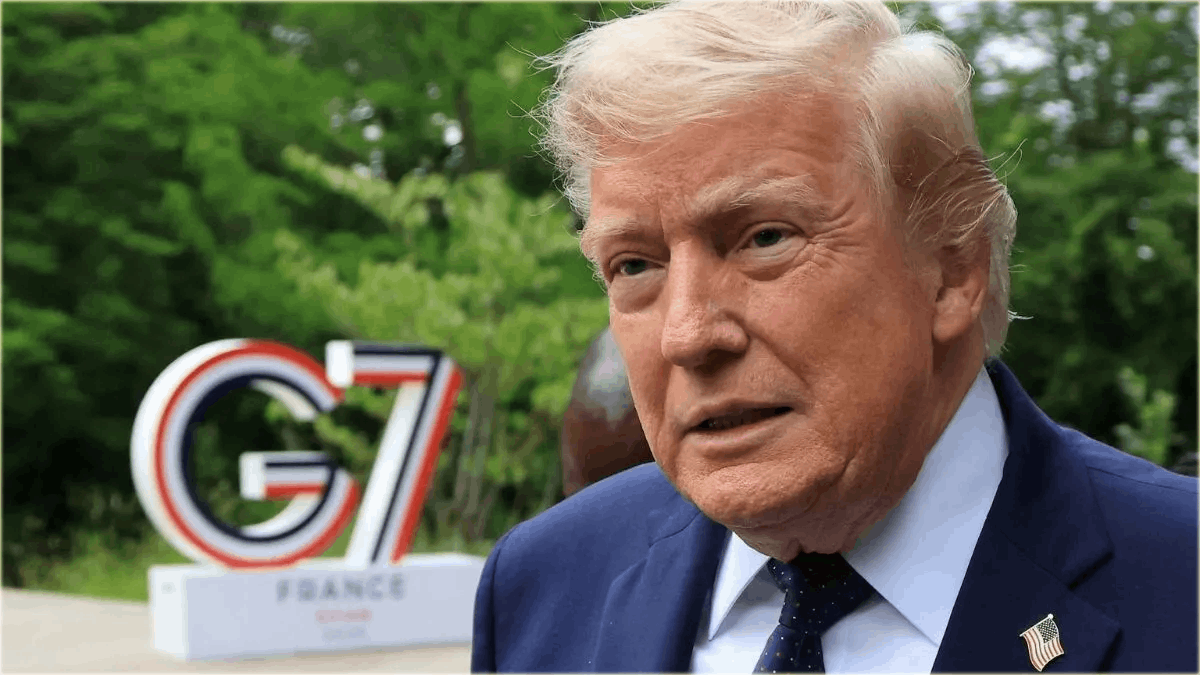
U.S. President Donald Trump, who remains deeply involved in foreign policy discourse despite leaving office, has not ruled out American military involvement.
He has, however, hinted at a possible diplomatic opening, saying that Iranian officials have expressed a desire to visit Washington for talks.
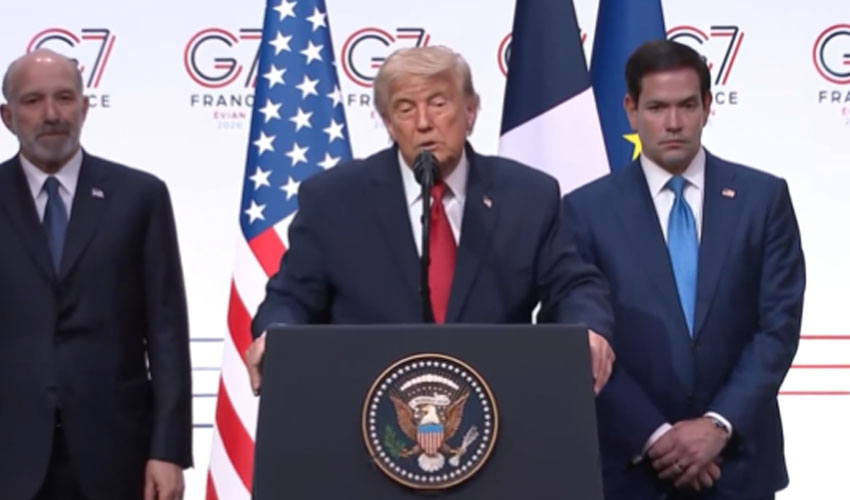
The situation was further complicated earlier this week when French President Emmanuel Macron suggested at the G7 summit in Canada that the U.S. had made a ceasefire proposal to Iran — a claim Trump publicly denied.
European mediation underway
European powers continue to play a mediating role. Britain, France, and Germany — collectively known as the E3 — held a ministerial-level call with Araqchi on Sunday. EU officials have confirmed that further discussions with Iran are scheduled in Geneva this Friday.
Iranian Foreign Ministry spokesman Esmaeil Baghaei also confirmed Araqchi's participation in the upcoming Geneva meeting, which is expected to explore diplomatic pathways to end the current hostilities and potentially revive the 2015 nuclear agreement.
European diplomats said both Witkoff and Araqchi had separately expressed interest in exploring a diplomatic initiative during discussions earlier this week. A senior EU diplomat noted that Trump appeared eager to end hostilities swiftly and was pressing Iran to re-engage, albeit under terms favourable to Washington.
Despite these developments, analysts caution that Tehran is unlikely to enter formal talks with the U.S. unless conditions visibly change on the ground, particularly with regard to Israeli military actions.
“For now, the Iranians view a quiet channel through Europe as the most viable route,” a senior European official told Reuters. “Public diplomacy with the U.S. would be too costly politically, especially under ongoing airstrikes.”



.gif)
.jpg)