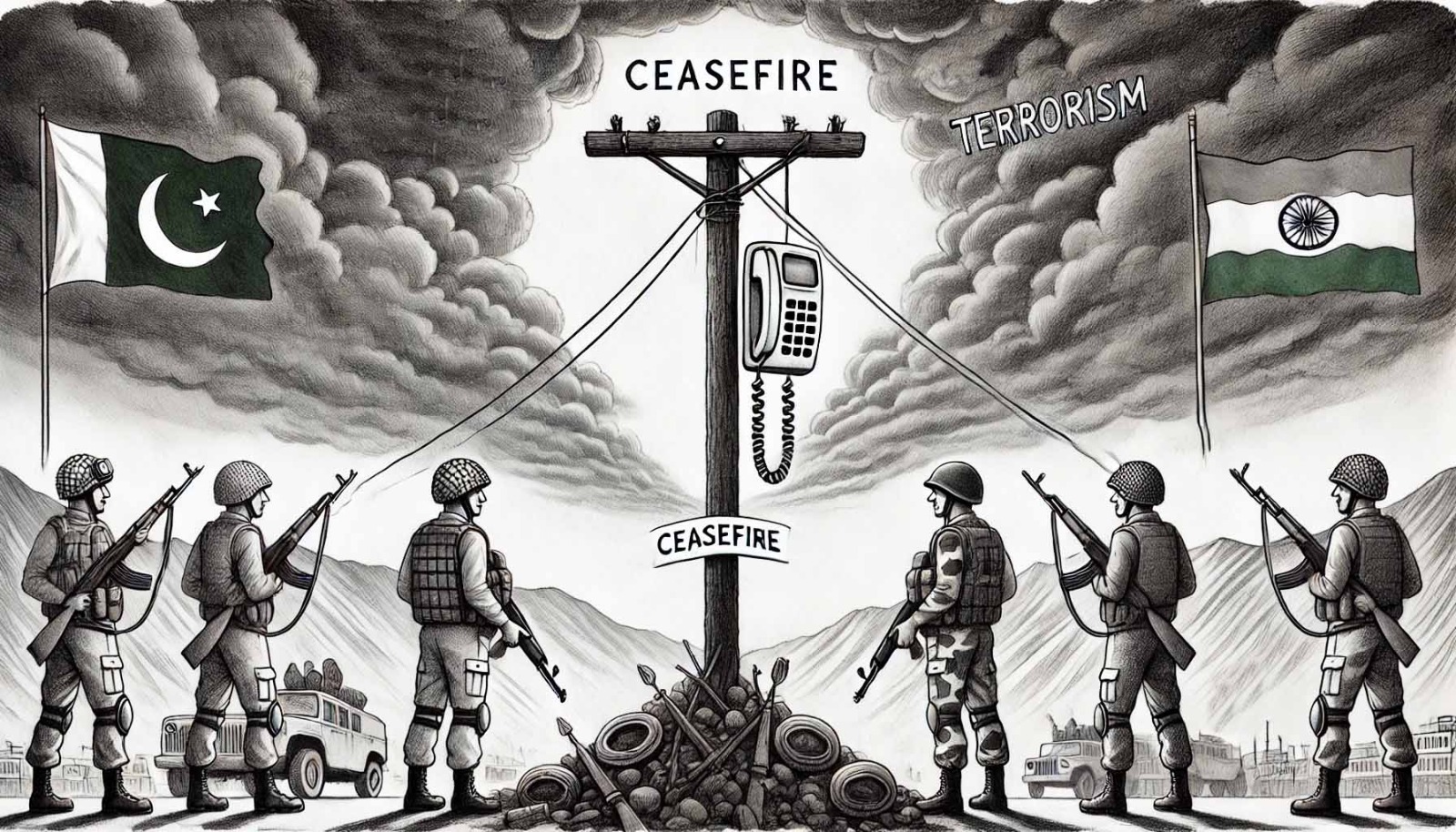
The US-brokered ceasefire agreed upon by Pakistan and India is holding, but the accompanying statements are not. Still, the decision to shift from the confrontation to communication mode appears a tentative step back from the brink.
After engaging in a tense military standoff for days, first round of talks between the director generals of military operations (DGMOs) of the two countries over the designated hotline has offered perhaps the only real chance for broader engagement. Their discussion reportedly revolved around continuation of ceasefire. This contact is expected to play a major role in de-escalation efforts and in ensuring that heads remain cool on both sides.
Despite all that, the overall situation remains volatile. New Delhi continues to blame Islamabad for the April 22 Pahalgam attack in Indian Illegally Occupied Jammu and Kashmir without bringing forth any concrete evidence. On the other hand, Pakistan categorically denies involvement, and continues to demand a neutral probe.
Besides, the Foreign Office stressed the need for resolving all disputes between the two countries peacefully. It also called on international observers to monitor the situation as well. On the other hand, the prime minister has urged restraint, and paired it with backchannel diplomatic activity.
While India usually avoids official talks on conflicts, countries like the United States and some European nations have stepped in quietly to ‘encourage’ New Delhi to try to resolve the situation peacefully. This rare international pressure is making India consider a diplomatic path forward.
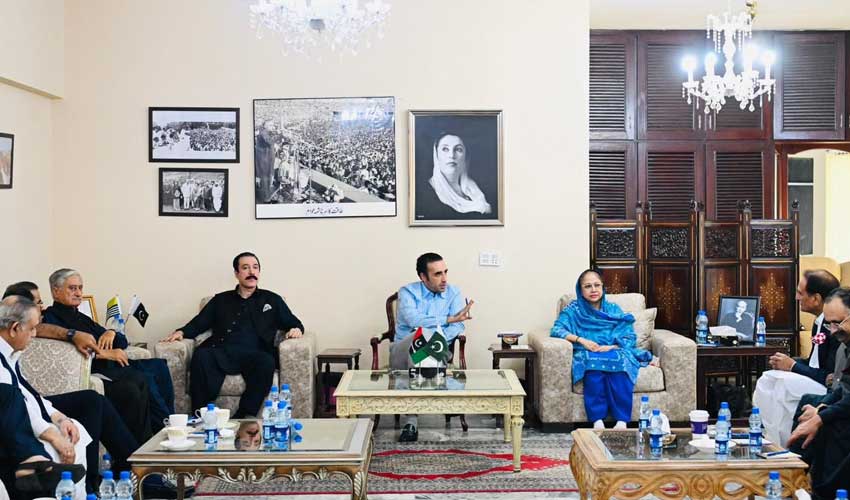
Khawaja Asif’s call for discussing with India the three fault lines – Kashmir, terrorism, and water – that continue to augment tensions between the two countries. He is correct in asserting that no lasting peace is possible without addressing these matters. However, for this to happen, both sides must demonstrate political maturity to return to the negotiating table with seriousness sans preconditions
In addition, the military’s response during the conflict period – named Marka-e-Haq or the Battle of Truth – has received national recognition, while parliament also passed a unanimous resolution praising the military’s professionalism. Separately, the government’s relief package for war-affected citizens is also a welcome development. However, those at the helm of affairs must realize that any effort directed at achieving sustained peace cannot rely solely on military means, and must be followed by political and diplomatic initiatives.
Responding to recent developments, Pakistan has increased its military presence. Moreover, the Kashmir dispute, which had long been ignored, is now a major focus of international attention. This is a major reason the Western media and the United Nations are highlighting Kashmir as an important unresolved issue.
Meanwhile, Defense Minister Khawaja Asif calls for discussing with India the three fault lines – Kashmir, terrorism, and water – that continue to augment tensions between the two countries. He is correct in asserting that no lasting peace is possible without addressing these matters. However, for this to happen, both sides must demonstrate political maturity to return to the negotiating table with seriousness sans preconditions.
In this scenario, Pakistan must now convert its military readiness into diplomatic capital. The government must pursue a balanced strategy that acknowledges the military’s professionalism while also pushing for aggressive international lobbying, particularly on Kashmir and water.
Although the United States’ intervention has helped secure a ceasefire, it cannot replace a genuine peace architecture built by the region itself. Washington’s message that there will be “no trade if fighting continues” might have worked for now, but outsourced peace is seldom sustainable.
The DGMOs have played their initial role. It is now up to political leaders on both sides to prove that this momentum is not just another pause between wars. If they succeed in maintaining this military restraint, it might serve as an icebreaker and pave the way for political dialogue. That would allow both sides to take a step back from confrontation and re-engage on issues that are more foundational. That outcome, no matter how uncertain, is worth striving for.

.jpg)