Iran has indicated that a proposed agreement aimed at ending months of conflict with the United States could be signed within the next few days, while rejecting claims by US President Donald Trump that the deal would be finalized on Sunday.
The latest statements highlight both growing diplomatic momentum and lingering disagreements over the timing and details of the proposed accord.
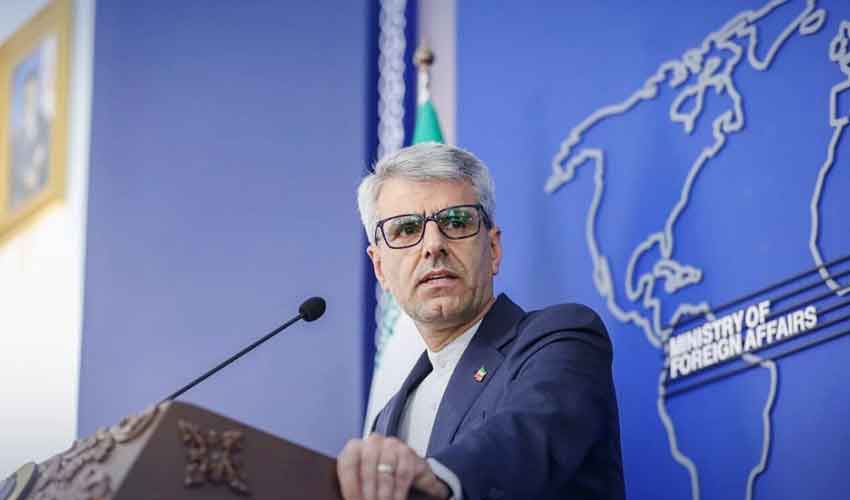
Iranian Foreign Ministry spokesperson Esmail Baghaei said the "Islamabad Accord" could be signed within a day or two, stressing that the primary objective of the agreement is to immediately end hostilities.
He clarified that no provisions related to Iran’s nuclear programme are included in the proposed memorandum of understanding (MoU).
According to Baqaei, discussions remain focused on ending the conflict and reducing regional tensions.
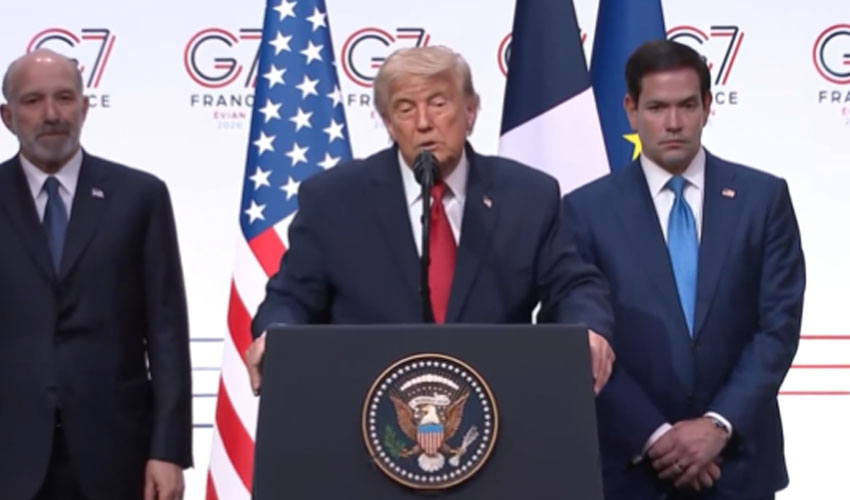
The remarks came after President Donald Trump announced that a peace agreement between Washington and Tehran was scheduled to be signed on Sunday.
RELATED: Qatari delegation in Tehran amid final push for US-Iran peace deal
Trump said the deal would lead to the reopening of the Strait of Hormuz and described it as a major diplomatic breakthrough.
However, Iranian officials quickly disputed the timeline, saying no final decision had been made regarding the framework agreement.
Fars reports no final decision yet
Iran’s semi-official Fars News Agency, citing an informed source, reported that Tehran has not yet approved the proposed framework agreement.
According to the report, political, legal and technical aspects of the memorandum are still under review by experts and decision-makers.
The source said consultations are continuing and no final agreement has been reached.
IRGC dismisses Sunday timeline
A spokesperson for Iran’s Revolutionary Guards said Iranian negotiators had already informed mediators that no agreement would be signed on Sunday.
Military officials described Trump’s announcement as inconsistent with the current state of negotiations and maintained that discussions remain ongoing.
The statement reinforced Tehran’s position that any agreement would require further review before being finalized.
Pakistan signals optimism
Pakistan, which has played a key mediating role in recent talks, has expressed optimism about progress toward a settlement.
Prime Minister Shehbaz Sharif recently said both sides were closer to a peace deal than ever before and indicated that preparations were underway for a possible electronic signing once negotiations are completed.
Officials have also suggested that technical-level talks would follow any initial framework agreement.
Qatar steps up mediation efforts
Meanwhile, a high-level Qatari delegation arrived in Tehran as diplomatic efforts entered what observers describe as a critical phase.
Iranian media reported that the delegation, led by an adviser to the Qatari prime minister, held consultations with Iranian officials on the latest developments in the negotiations.
Qatar has played an active role in regional mediation efforts and is widely seen as a key facilitator in backchannel diplomacy between the parties.
According to Iranian officials, the proposed accord is primarily aimed at ending the ongoing conflict and restoring stability in the region.
While discussions on broader issues may continue later, Tehran maintains that the current framework does not include any commitments regarding its nuclear programme.
The issue remains one of the most sensitive points in US-Iran relations.



.gif)
.jpg)