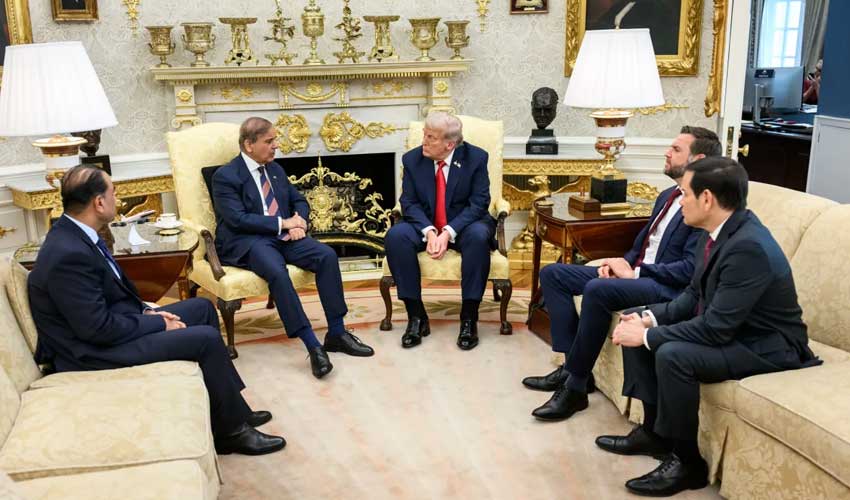
Sunday is set to be remembered as a historic day for world peace, with Pakistan emerging as a central architect of the road to peace—marking a moment that could redefine the contours of regional diplomacy and international engagement.
For over two decades reporting from London on global conflicts and diplomacy, I have rarely witnessed a moment where Pakistan’s role in international engagement has been so clearly visible, so strategically relevant, and so significantly underestimated in parts of the global narrative as it is today.
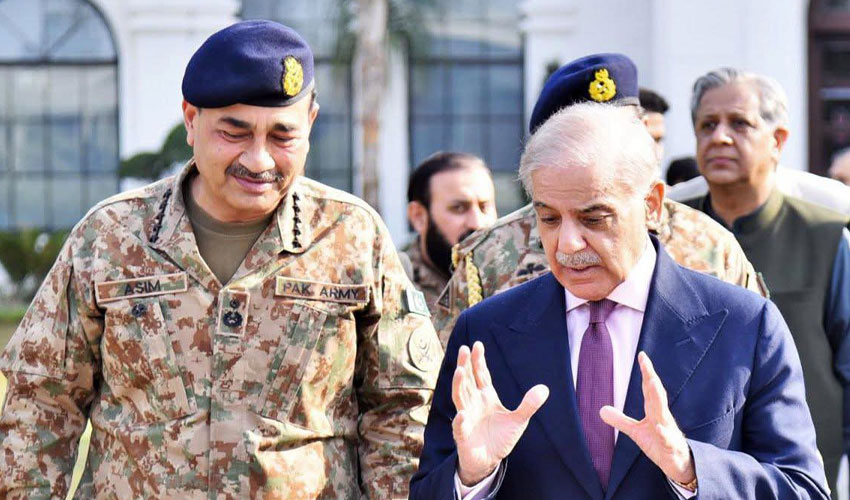
What is unfolding around the US–Iran dialogue space and broader regional de-escalation efforts is not symbolic diplomacy. It is active statecraft. And Pakistan, under the leadership of Prime Minister Shehbaz Sharif and Field Marshal Syed Asim Munir, has positioned itself as a serious and credible facilitator of communication at a time when mistrust between key regional and global actors remains exceptionally high.

During my time in Islamabad at what was widely understood as the opening phase of high-level engagement, it was evident that Pakistan was not operating on the margins of diplomacy but at the centre of a carefully managed effort to keep critical channels open. The level of coordination, urgency, and political will reflected a state fully aware of its strategic responsibility in a volatile region.
In a world where diplomatic failure often dominates headlines, Pakistan’s sustained push for dialogue and de-escalation deserves recognition rather than routine dismissal. If such efforts continue to mature into a structured and lasting peace framework, then the contribution of Pakistan’s leadership will not only be historically significant—it will be internationally undeniable.
Prime Minister Shehbaz Sharif’s consistent messaging around dialogue, stability, and regional cooperation, combined with Field Marshal Asim Munir’s strategic regional engagements, reflects a unified state approach aimed at preventing escalation and strengthening diplomatic pathways.
This is not about rhetoric. It is about outcomes in progress. And if global diplomacy is to be judged by those who facilitate peace rather than merely comment on it, then Pakistan’s leadership must now be considered within serious conversations about international recognition, including the highest honours reserved for peace-building contributions.
Pakistan is not standing on the sidelines of history. It is actively shaping a moment that could redefine regional diplomacy in one of the most sensitive geopolitical theatres of the world.



.gif)
.jpg)