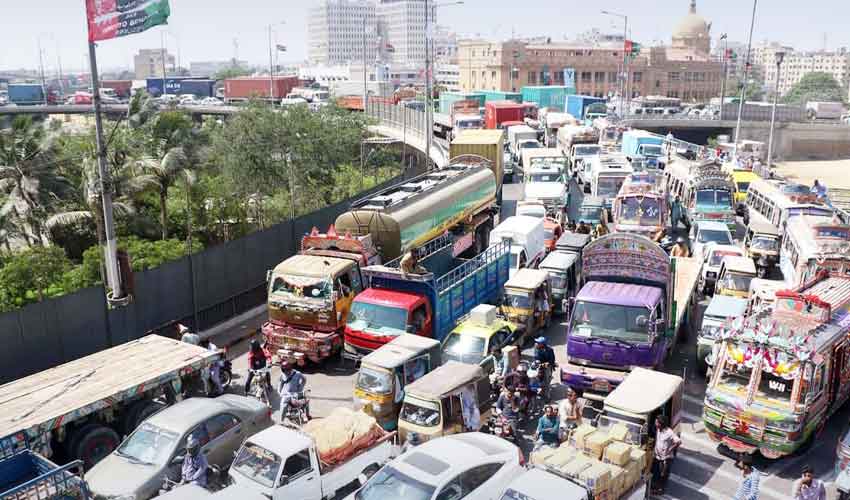
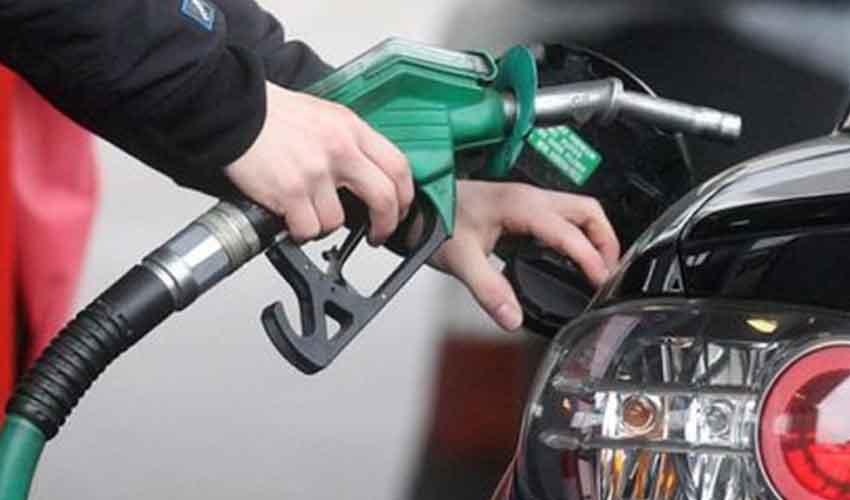
The government is preparing to introduce a carbon levy on large vehicles in the upcoming Budget 2026-27, as part of a broader strategy to discourage conventional petrol and diesel-powered vehicles and encourage the adoption of cleaner transportation.
Officials say the proposed measures include new taxes on high-engine-capacity vehicles and a range of incentives for locally manufactured electric vehicles (EVs).
According to budget proposals under consideration, vehicles with engine capacities exceeding 2,000cc may face a carbon levy ranging from 10% to 19.5%.
The levy is being proposed to discourage the use of conventional petrol and diesel vehicles and support the government's environmental and energy transition goals.
Officials said preparations are underway to implement the levy as part of the new fiscal year's taxation framework.
Phased tariff plan for imported fuel vehicles
The government is also considering the introduction of phased tariffs on imported petrol and diesel vehicles.
The proposed policy aims to gradually increase the cost of conventional imported vehicles while encouraging consumers to shift towards cleaner alternatives.
Revenue target from vehicle levy
Government estimates suggest the proposed levy on large vehicles could generate more than Rs142 crore over the next five years.
Officials believe the measure can contribute to revenue generation while simultaneously promoting environmentally sustainable transport policies.
As part of the upcoming budget, various proposals are under review to reduce taxes on energy-efficient and environmentally friendly vehicles.
The government is planning special incentives for locally manufactured electric vehicles to accelerate the growth of Pakistan's EV industry.
A committee formed under the chairmanship of Deputy Prime Minister Ishaq Dar is reportedly reviewing the proposals.
Tax relief for EV components
According to the proposals, customs duty on batteries, electric motors and related components may be reduced to 1%.
Similarly, sales tax on electric vehicle parts is proposed to remain at just 1%, providing additional support to manufacturers and investors in the sector.
The government is also considering exempting electric vehicles completely from federal excise duty, capital value tax and withholding tax.
Officials say these measures are intended to make electric vehicles more affordable and attractive for consumers and businesses.
Hybrid vehicles special treatment
While electric vehicles are expected to receive significant incentives, hybrid vehicles may not receive similar benefits under the proposed auto policy.
The government plans to maintain normal tax rates on hybrid vehicles and is reportedly considering electric vehicles as the preferred option for future transportation policy.
Officials said no special tax concessions have been proposed for hybrid vehicles at this stage.



.gif)

.jpg)