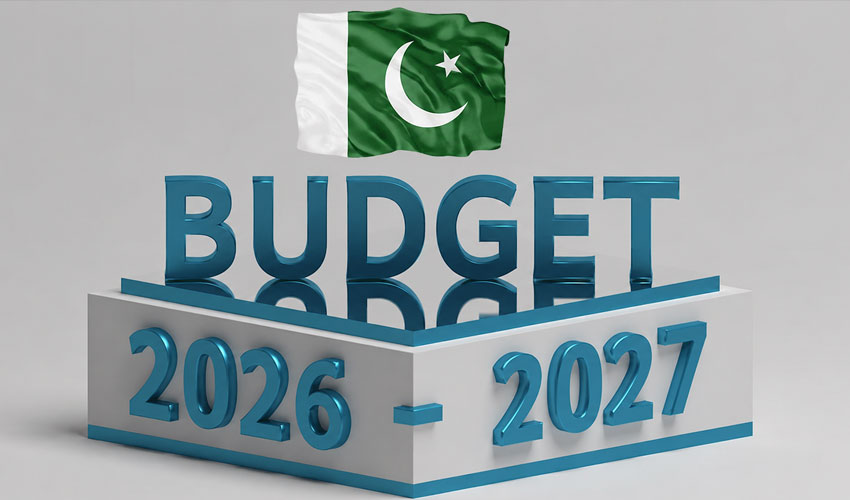
The federal government 2026-27 is once again reconsidering the schedule for presenting the upcoming national budget, with June 12 now emerging as a possible new date.
According to official sources, while June 10 is still being treated as the working date, discussions are ongoing about pushing the announcement further. Earlier, the budget date was shifted from June 5 to June 10 before the latest proposal for June 12 surfaced.
NEC meeting postponed
Alongside the budget uncertainty, the meeting of the National Economic Council (NEC) has also been postponed until tomorrow.
RELATED: NEC meeting postponed as govt-PPP budget talks continue
Officials said preparations are underway to release the economic review of the outgoing fiscal year by tomorrow evening, even as scheduling decisions remain in flux.
High-level political consultations expected
A key meeting between the Prime Minister and the President is also expected, where broader political and economic matters will be discussed.
Sources say the agenda includes differences between the government and the Pakistan Peoples Party (PPP) as well as other coalition-related concerns affecting budget planning.
Earlier consultations between Deputy Prime Minister Ishaq Dar and the Pakistan Peoples Party (PPP) leadership focused on fiscal priorities, development spending, and revenue targets.
Senior PPP leaders, including Murad Ali Shah, Naveed Qamar, Sherry Rehman, and Saleem Mandviwala, participated in the discussions.
Officials from the Ministry of Finance and the Federal Board of Revenue (FBR) were also present, highlighting the technical and political importance of the negotiations.
Budget framework and IMF pressures
The talks centered on shaping the next fiscal year’s budget, including allocations under the Public Sector Development Programme (PSDP) and revenue expectations.
Participants also reviewed challenges linked to International Monetary Fund (IMF) commitments, which continue to influence Pakistan’s fiscal policy direction.
The International Monetary Fund (IMF) remains a key factor in setting economic targets and ensuring financial stability under ongoing agreements.




.gif)

.jpg)