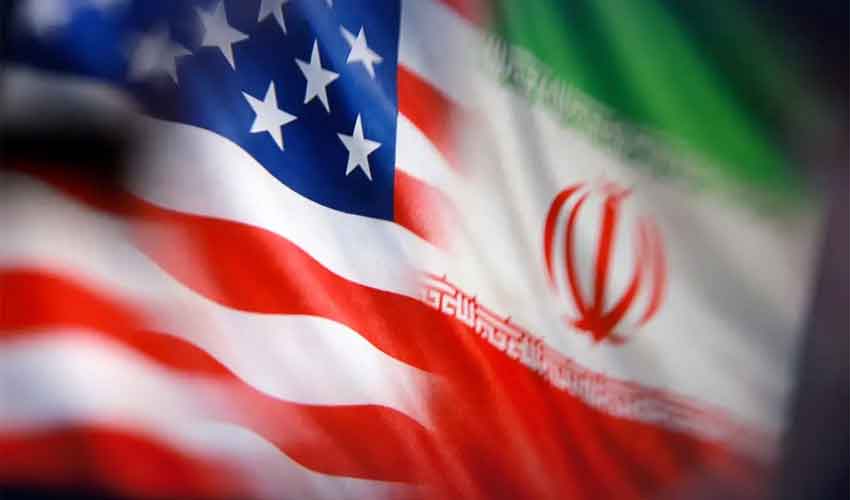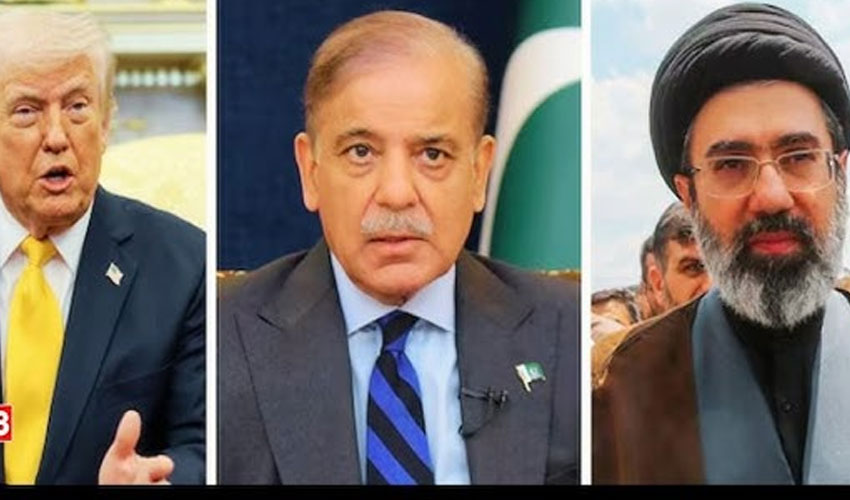
The United States is reviewing a fresh proposal from Iran aimed at breaking the ongoing war stalemate.
The plan, conveyed through Pakistani mediators, focuses on ending hostilities and restoring maritime access before addressing nuclear issues.
However, early signals suggest Washington may not fully agree with Tehran’s approach.
US President Donald Trump discussed the new Iranian proposal with his national security team on Monday.
Also Read: Iran sends US new proposal through Pakistan to end war
The proposal comes at a time when the conflict remains deadlocked, with reduced energy supplies and rising global uncertainty.
According to officials, Washington has maintained that Iran’s nuclear programme must be addressed from the outset—something Tehran’s plan does not include in the initial phase.
Iran’s plan: Ceasefire first, nuclear talks later
Iran’s proposal, shared via mediators including Pakistan, outlines a phased approach to negotiations.
It suggests first ending the US-Israeli war and reopening the strategically vital Strait of Hormuz.
Only after resolving shipping access and lifting blockades would discussions move toward Iran’s nuclear programme, including its demand for recognition of uranium enrichment rights for peaceful purposes.
Iran has also made it clear that lifting the blockade is a precondition for any meaningful negotiations.
Diplomatic Activity Intensifies
Iranian Foreign Minister Abbas Araqchi has been actively engaged in shuttle diplomacy.
He visited Pakistan and Oman over the weekend before traveling to Russia, where he met President Vladimir Putin and received support.
Also Read: Araghchi wraps up another visit to Pakistan
Despite these efforts, in-person talks have stalled after Washington cancelled a planned visit by US envoys to Islamabad.
Pakistani officials say discussions are continuing remotely, with no immediate plans for face-to-face meetings.
Oil prices surge
The ongoing standoff has begun to impact global markets.
Oil prices climbed to a two-week high on Monday, reflecting concerns over disrupted supplies from the Gulf.
Before the conflict, around 125 to 140 ships passed daily through the Strait of Hormuz. That number has now dropped sharply, with only a handful of vessels moving—and none carrying oil for global markets.
Shipping disruptions
The conflict has significantly disrupted maritime traffic.
Iran has restricted shipping through the Gulf, while the United States has imposed a blockade on Iranian vessels.
Recent data shows that several oil tankers were forced to turn back, underscoring the pressure on global energy flows.
The Strait of Hormuz, which typically carries about one-fifth of global oil shipments, remains a critical flashpoint.
Although a ceasefire has paused direct US-Israeli strikes on Iran since late February, no comprehensive agreement has been reached.
The war has already resulted in thousands of casualties, rising inflation, and slower global economic growth.
Tensions are also escalating in Lebanon, where renewed fighting between Israeli forces and Hezbollah has added complexity to the conflict.
Iran has linked broader negotiations to maintaining a ceasefire in Lebanon as well.





.gif)


.jpg)