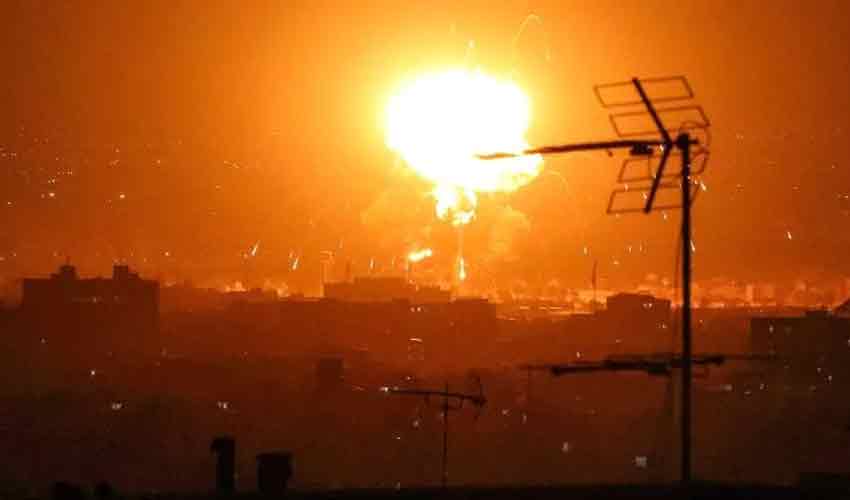
The first week of the United States’ military campaign against Iran has cost nearly $6 billion, with about $4 billion spent on munitions and advanced missile interceptors, according to officials from the United States Department of Defense.
The figures were revealed during discussions with members of United States Congress, where Pentagon officials indicated that additional funding may soon be required to sustain operations and replenish military stockpiles.
A report by The New York Times said that around 4,000 Iranian targets have been struck so far, including missile launchers, naval vessels and air defence systems. The strikes are believed to have significantly reduced Tehran’s ability to carry out retaliatory attacks.
According to Brad Cooper, head of United States Central Command, Iran’s ballistic missile launches have fallen by about 90 percent since the start of the conflict, while drone attacks have dropped by roughly 83 percent.
Despite these setbacks, Cooper said Iran still retains considerable military capability, including an estimated half of its missile arsenal.
Lawmakers in Washington are now preparing for a potential supplemental funding request from the administration in the coming weeks, as the rapid pace of spending draws scrutiny from both Democratic and Republican leaders.
Critics have warned that expensive interceptor missiles — some costing millions of dollars each — are being used at a rate that could strain the US defence industrial base and create shortages in other strategic regions.
The conflict escalated on February 28 when the United States and Israel launched large-scale strikes on Iran. According to reports, more than 1,200 people were killed in the attacks, including Iran’s Supreme Leader Ali Khamenei and several senior military officials.
Iran has since responded with missile and drone strikes targeting Gulf countries, US military bases, diplomatic facilities and personnel across the region, as well as several Israeli cities.
The escalating conflict has also raised concerns about global energy supplies, as maritime traffic through the Strait of Hormuz — a crucial passage that carries about 20 million barrels of oil per day — has dropped sharply.








.gif)
.jpg)