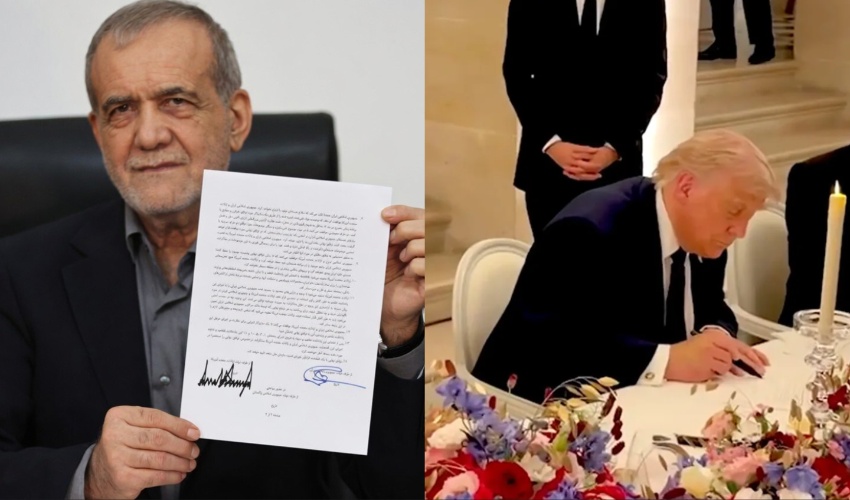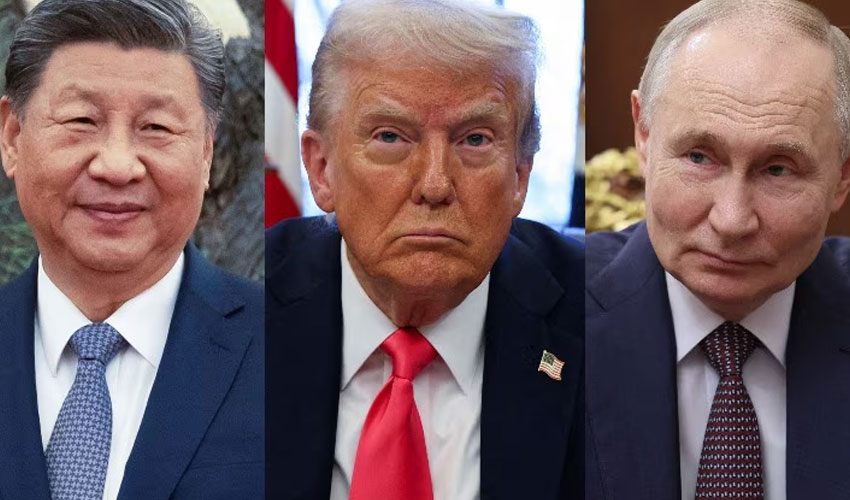
US President Donald Trump has thanked Chinese President Xi Jinping and Russian President Vladimir Putin for what he described as a neutral stance during the recent war involving Iran.
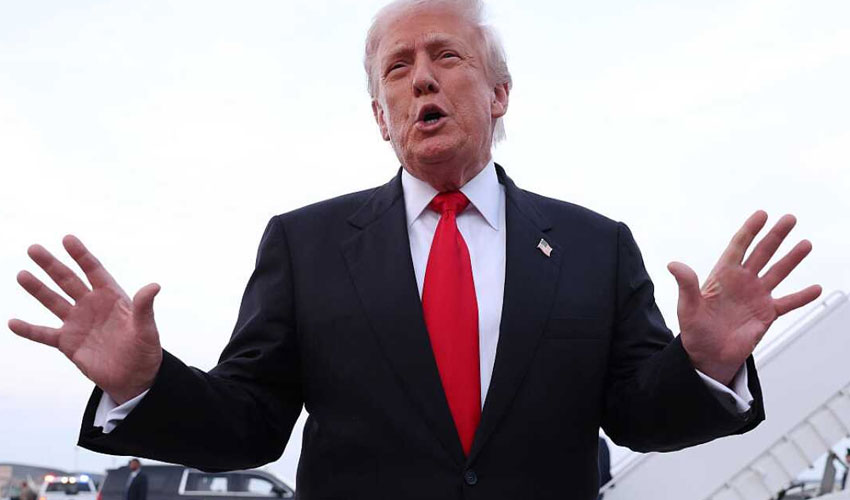
Speaking at a press conference during the Group of Seven conference in Evian-les-Bains, France, Trump said both leaders refrained from actions that could have escalated the conflict.
Trump credits leaders for non-interference
Trump said he appreciated that China and Russia did not send weapons or take steps that could have complicated US efforts during the conflict.
“I just want to thank them because they made it a lot better,” he said, following the adoption of a ceasefire agreement.
He added that both leaders could have made the situation more difficult but instead chose to remain neutral.
Remarks at G7 conference
During the press briefing at the Group of Seven summit, Trump told reporters that Xi Jinping stayed “totally neutral” and that he appreciated the approach.
He also said Vladimir Putin was similarly neutral, suggesting their positions helped avoid further escalation.
Contrast with US allies
Trump’s comments stood in contrast to his criticism of several US allies, including countries in Europe and Asia, which he said did not provide sufficient support during the conflict.
He also referenced tensions surrounding efforts to secure key maritime routes, including the Strait of Hormuz, which remained a major point of geopolitical concern during the crisis.
China and Russia’s position on Iran
Both China and Russia maintain diplomatic and economic ties with Iran and have previously criticized Western military actions in the region.
Beijing has condemned US strikes on Iran as violations of sovereignty, while Moscow has warned that continued conflict could destabilize the broader Middle East.
A spokesperson for China’s embassy in Washington said Beijing’s position has remained consistent, emphasizing efforts to promote peace and end hostilities.
China has also said it opposes escalation and supports diplomatic solutions to regional conflicts.



.jpg)