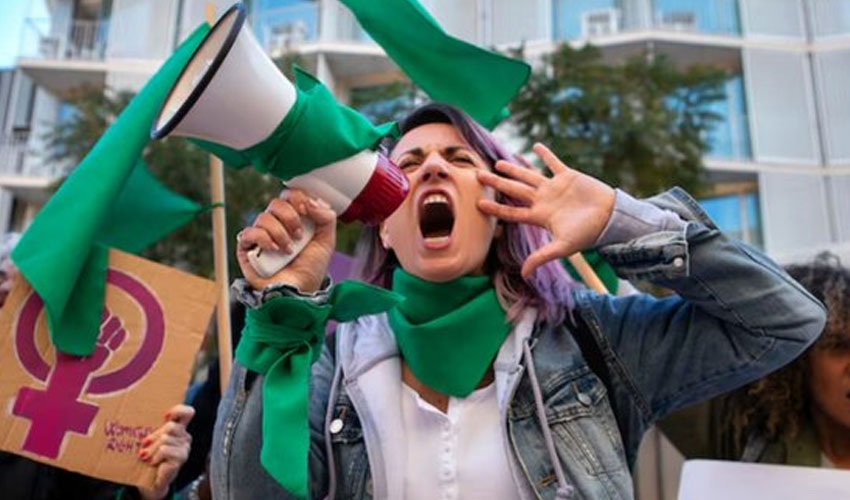
Mass protests swept across Mexico on Saturday as thousands—many rallying under the banner of “Generation Z”—took to the streets following the murder of a popular anti-crime mayor earlier this month.
Demonstrations in Mexico City quickly turned violent as protesters clashed with riot police outside the National Palace.
The protests were triggered by the November 1 killing of Uruapan Mayor Carlos Manzo, who was shot dead during a public Day of the Dead event in Michoacán.
His death has intensified public outrage over Mexico’s spiraling violence, corruption and impunity.
Marches were held not only in the capital but also across several states, including Michoacán, where supporters of the slain mayor joined in demanding justice.
Clashes outside National Palace
In Mexico City, a group of hooded protesters tore down fences surrounding the National Palace—where President Claudia Sheinbaum resides—prompting a heavy police response. Riot officers used tear gas to disperse crowds, witnesses told Reuters.
Public safety secretary Pablo Vázquez said around 100 police officers were injured, with 40 requiring hospital treatment. Another 20 civilians were also hurt. Authorities confirmed 20 arrests, while another 20 individuals were cited for administrative offences.

According to El Universal, security forces also threw stones at demonstrators after they entered the palace’s perimeter, leaving several injured.
Some demonstrators directed their anger at the ruling Morena party, chanting “Out, Morena” and accusing the government of failing to curb violence.
Others shouted, “Carlos did not die, the government killed him,” highlighting distrust in state institutions.
Who is ‘Generation Z Mexico’?
A group calling itself “Generation Z Mexico” claimed responsibility for calling the protests, describing itself in a circulating manifesto as a non-partisan movement of young people tired of violence, corruption and abuse of power.
Generation Z generally refers to people born between 1997 and 2012, though Saturday’s protests included people of all ages, including older political activists.
President Sheinbaum’s government has publicly questioned the nature of the demonstrations, alleging that right-wing political opponents helped organise them.
Officials also claimed the protests were amplified by bots on social media—an accusation Sheinbaum repeated on multiple occasions.

Earlier in the week, several Gen Z influencers withdrew their support for the marches, while opposition figures like former President Vicente Fox and billionaire Ricardo Salinas Pliego voiced approval.
Monica Cruz, a reporter with AJ+, said it was “likely” that opposition groups played a role, noting:
“We are having a hard time believing this is an organic protest. Especially from young people.”
Global wave of Gen Z protests
The Mexican protests follow a broader global trend, as Gen Z-led movements have emerged this year across Asia and Africa, often pushing against corruption and democratic backsliding.
Nepal saw the largest of these demonstrations in September, after a social media ban sparked nationwide unrest and ultimately led to the resignation of former Prime Minister KP Sharma Oli. In Madagascar, severe water and electricity shortages fueled weeks of protests that led to the dissolution of the government and the president fleeing the country.



.jpg)