In today’s unpredictable economy, building an emergency fund has become a financial necessity rather than a luxury. Whether it’s job loss, medical bills, or inflation-driven expenses, having a financial safety net can protect you from crises and debt traps.
Here’s how to build your emergency fund within six months — without feeling overwhelmed.
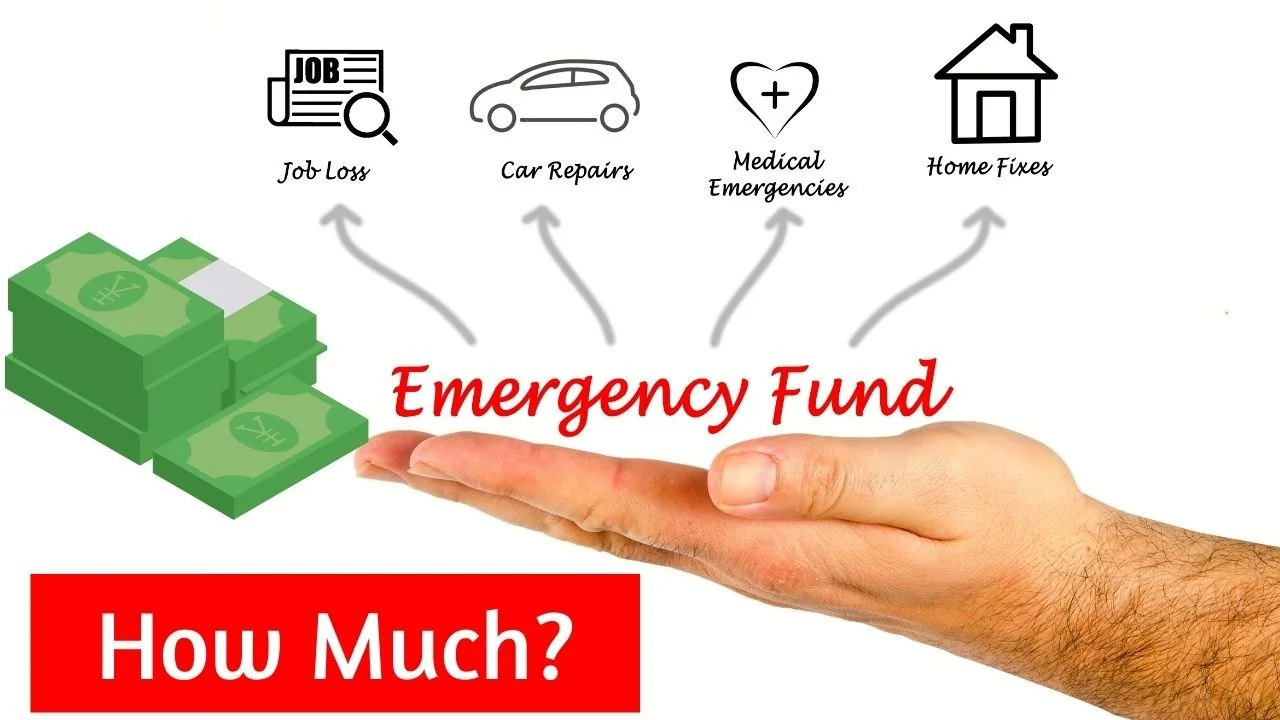
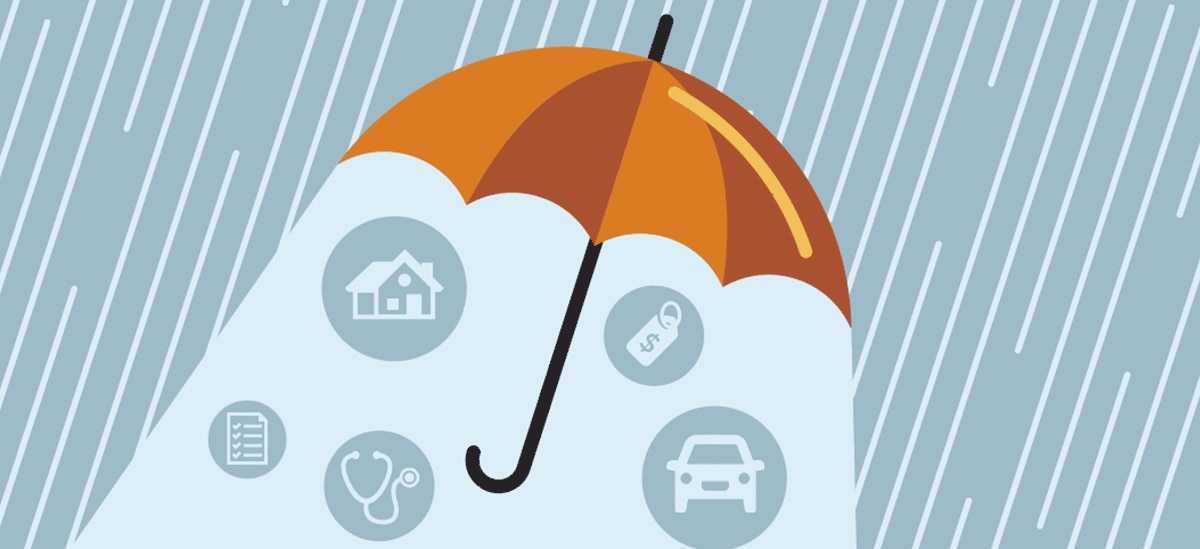
An emergency fund acts as a financial cushion for unexpected expenses like medical emergencies, car repairs, or sudden job loss. Experts recommend saving at least three to six months’ worth of essential expenses to stay secure during uncertain times.
A recent State Bank of Pakistan report highlights that over 60% of Pakistani households have no financial buffer, making them vulnerable to debt when emergencies strike.
Step 1: Set realistic goal
Before you start saving, calculate your monthly essentials — rent, groceries, transport, and utilities. Multiply that by six to determine your target amount.
For instance, if your monthly expenses are Rs 80,000, aim for Rs 480,000 in six months. Breaking it down monthly makes it achievable — Rs 80,000 per month or roughly Rs 2,700 per day.
Step 2: Create a separate savings account
Keeping your emergency fund separate from your main bank account reduces the temptation to spend it. Many Pakistani banks now offer digital savings accounts with better interest rates and zero maintenance fees.
Platforms like Meezan Bank’s Digital Savings and HBL Konnect allow easy auto-deposits — a great tool to grow your fund passively.
Step 3: Cut non-essential spending
Review your monthly budget and identify areas where you can save. Simple lifestyle changes — like cooking at home, cancelling unused subscriptions, and switching to public transport — can add up quickly.
You can also set small savings goals weekly. For instance, if you save Rs 1,000 daily by skipping takeout, you’ll have Rs 180,000 in six months.
Step 4: Automate your savings
Set up automatic transfers to your savings account right after you receive your income. This “pay yourself first” approach ensures your savings grow consistently without relying on willpower.
Apps like Sadapay or NayaPay let users automate monthly transfers and track expenses in real time — helping you stay disciplined.
Step 5: Boost income with side gigs
If your budget is tight, explore freelancing, tutoring, or online work to accelerate your savings goal. Platforms such as Upwork, Fiverr, or Daraaz affiliate programs are good starting points.
According to Samaa Money, Pakistan’s freelance economy continues to grow, offering opportunities for skilled workers to earn extra income.
Step 6: Avoid touching fund
Your emergency fund should only be used for true emergencies — not vacations or luxury purchases. Keep it slightly out of reach (e.g., in a high-yield account) to resist temptation.
Once you’ve achieved your target, review it yearly to adjust for inflation or lifestyle changes.

Bonus Tip: Combine with Micro-Investing
Once your emergency fund is stable, consider micro-investments through regulated apps like NayaPay Invest or Roshan Digital Account to grow your savings safely.
FAQs
What is an emergency fund?
An emergency fund is money set aside to cover unexpected expenses such as medical bills, job loss, or urgent repairs. It acts as your financial safety net.
How much should I save in my emergency fund?
Ideally, you should save three to six months’ worth of essential living expenses, depending on your income stability and dependents.
Where should I keep my emergency fund?
Use a separate high-interest or digital savings account for easy access and security. Avoid investing it in risky or illiquid assets.
Can I build an emergency fund with a low income?
Yes. Even small, consistent savings matter. Start with Rs 500–1000 weekly and increase gradually as your income grows.
.jpg)





.jpg)