Maintaining balanced blood sugar levels is essential for overall health, helping sustain energy, reduce sugar cravings and lower the risk of complications such as diabetes.
Medical experts say a combination of a balanced diet, timely meals and healthy lifestyle habits can play a key role in keeping blood glucose under control.
Healthy eating is the foundation
Experts recommend building meals around nutrient-rich foods that help regulate blood sugar.
Protein, fibre, whole grains and vegetables should form the core of a healthy diet, while foods high in sweets and added sugars should be limited.
They also advise choosing low-glycaemic foods, which release sugar into the bloodstream more slowly and help prevent sudden spikes in blood glucose.
Eat meals at the right time
The timing of meals is just as important as food choices.
According to medical experts, breakfast should be eaten within two hours of waking up to support healthy blood sugar regulation throughout the day.
They also recommend following a meal order by eating vegetables first, followed by protein and healthy fats, and finishing with carbohydrates.
Avoid long gaps between meals
Experts advise eating moderate portions every three to four hours to help keep blood sugar levels stable.
If hunger strikes between meals, healthy snacks such as almonds or cheese paired with fruit can help satisfy appetite without causing sharp increases in blood sugar.
Stay active throughout the week
Regular physical activity is another important part of blood sugar management.
Medical experts recommend taking a 10-minute walk after meals to improve blood sugar control.
In addition, strength training or weightlifting should be performed at least three times a week, with a goal of completing a minimum of 150 minutes of physical activity each week.
Prioritise sleep, hydration and stress management
Lifestyle habits beyond diet and exercise also influence blood sugar levels.
Experts recommend getting between seven and nine hours of quality sleep each night, managing stress effectively and drinking enough water throughout the day.
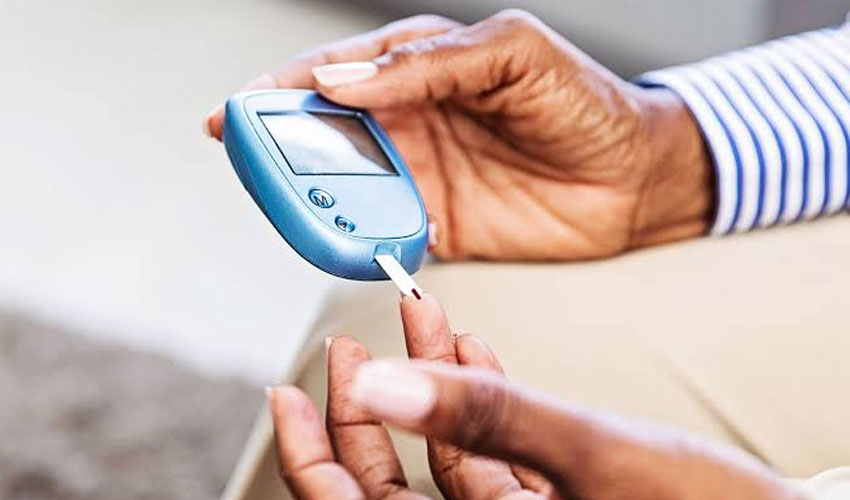
They also encourage regular blood sugar monitoring, particularly for individuals at risk of diabetes or those already managing the condition.
Medical experts stress that people living with diabetes should consult their healthcare provider before making significant changes to their diet, exercise routine or overall lifestyle.
Professional guidance can help ensure that any adjustments are safe and appropriate for individual health needs.