Venezuela's death toll from the devastating twin earthquakes has climbed to nearly 3,000 as international rescue teams begin winding down search operations 10 days after the disaster.
Officials say thousands remain missing, while more than 16,000 people have been left homeless and hospitals continue to face mounting pressure.
Official figures released on Saturday put the death toll at 2,954, an increase of more than 300 fatalities from the previous day.
The powerful 7.2 and 7.5 magnitude earthquakes, which struck on June 24, rank among the deadliest natural disasters in Latin America in recent years.
Tens of thousands of people remain unaccounted for as authorities continue recovery efforts.
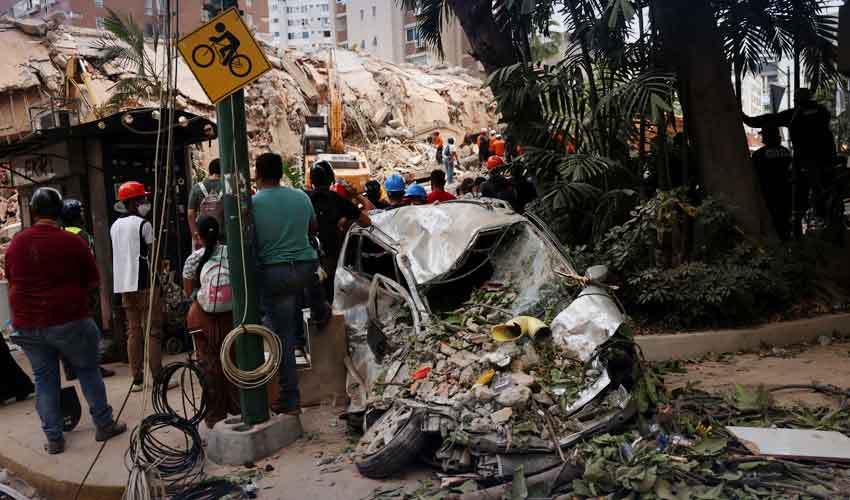
The coastal state of La Guaira, north of the capital Caracas, suffered the heaviest destruction.
Entire residential complexes were reduced to rubble, leaving thousands of families without homes and forcing many survivors into temporary shelters and camps.
Ten days after the earthquakes, relatives are still searching for missing loved ones while recovery teams continue removing bodies from collapsed buildings.
International rescue teams conclude search operations
With the critical rescue period largely over, international search and rescue teams have begun ending their operations.
Although a handful of survivors were pulled from the rubble earlier this week, experts note that the highest chances of finding people alive after an earthquake typically exist within the first 72 hours.
Interim President Delcy Rodriguez held a ceremony to honour international rescue teams, including search dogs, for their contribution to the emergency response.
"We are experiencing a profound grief gripping our people, where families still hold out hope of finding loved ones alive, people who have lost everything," Rodriguez said.
Teams from the Los Angeles County Fire Department, as well as rescue crews from Florida, Virginia and several South American countries, said they were completing their missions after recent searches found no further signs of life.
Government faces criticism over response
Many Venezuelans have criticised the government's handling of the disaster, saying local residents were forced to dig through rubble on their own during the crucial first hours before international assistance arrived.
Rodriguez defended the government's response, saying thousands of soldiers and emergency personnel had been deployed to affected areas.
In La Guaira, heavy machinery has begun demolishing severely damaged buildings as recovery efforts shift from rescue to reconstruction.
At other sites, volunteers and families continue searching for victims trapped beneath collapsed structures.
"We're still working, still searching for bodies. We're still going. It hasn't been easy," volunteer Francisco Sasquia said after helping recover two victims.
The earthquakes have displaced more than 16,000 people, many of whom remain in emergency shelters.
Hospitals across affected regions are under increasing strain as medical workers care for survivors.
Health experts have also warned of a growing risk of disease outbreaks due to overcrowded shelters and damaged infrastructure.
Families continue to mourn
For many families, the disaster remains deeply personal.
Victor Colivert, whose nephew's body was recovered from a collapsed building, said his family refused to leave the remains unattended amid the ongoing chaos.
"If I have to go to China, to wherever, but I'm not leaving him alone," he said. "I'm going with him."