






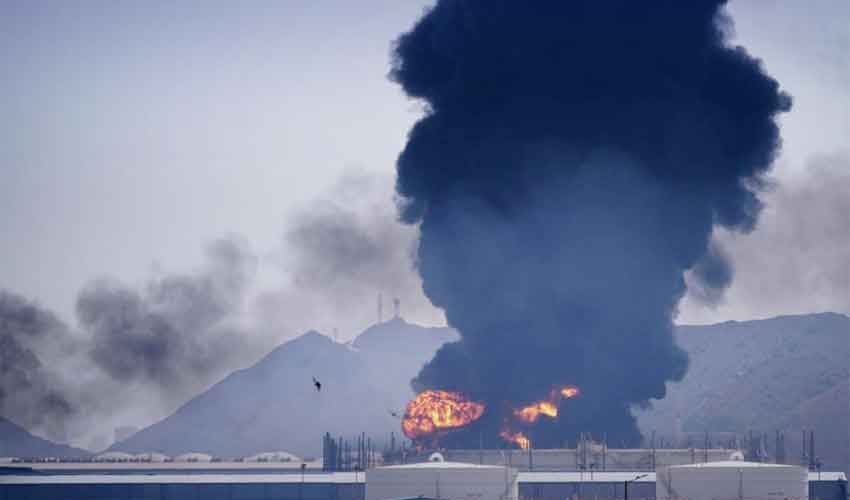
The United States is considering changes to its military presence in the Middle East after Iranian missile and drone strikes caused extensive damage to a key US Navy base in Bahrain, according to a Wall Street Journal report.
The report, citing satellite imagery, social media footage and interviews with current and former servicemembers, said the damage at Naval Support Activity Bahrain was far more serious than the Pentagon has publicly acknowledged.
According to the report, the US Navy base in Bahrain was repeatedly targeted between late February and June after the start of the US-Israeli bombing campaign against Iran on February 28.
Some of the Iranian missiles and drones hit their targets, damaging the command headquarters and at least a dozen other buildings.
The damaged facilities reportedly included the Fifth Fleet headquarters, a barracks, several warehouses, a potable water tank and two satellite communications terminals.
The base is considered the nerve center of US naval operations in the Middle East and is located around 240 kilometers, or 150 miles, south of Iran.
The US military said no one was killed at the Bahrain base, according to the report.
Damage estimated at around $400m
The Wall Street Journal estimated that the strikes caused about $400 million in damage at the base. The estimate was based on procurement reports and the Pentagon’s publicly available cost model, and included only construction costs.
The report cited an analyst from the Center for Strategic and International Studies as saying that total costs could be much higher depending on what the damaged buildings contained.
For example, two satellite communications terminals destroyed by Iran early in the war were estimated to cost around $20 million each.
US may move some bases westward
The damage has led Washington to reassess its military posture in the region.
According to US officials cited by the report, the United States is considering refurbishing the Bahrain base, including moving command centers underground and not rebuilding some destroyed structures.
The US is also weighing a reduction of its military footprint in Kuwait and Saudi Arabia after Iranian strikes targeted military installations in those countries.

Officials said some bases and operations could be shifted westward to put them farther away from Iran’s missiles and drones.
Two officials told the Wall Street Journal that Israel is among the locations being considered for some relocated US military installations.
US jets in Israel spark travel concerns
The report said dozens of US jets have been parked at Ben Gurion Airport since the lead-up to the Iran war.
Their presence has disrupted Israeli travel, according to the report, as the US weighs whether to move some Gulf-based operations closer to Israel.
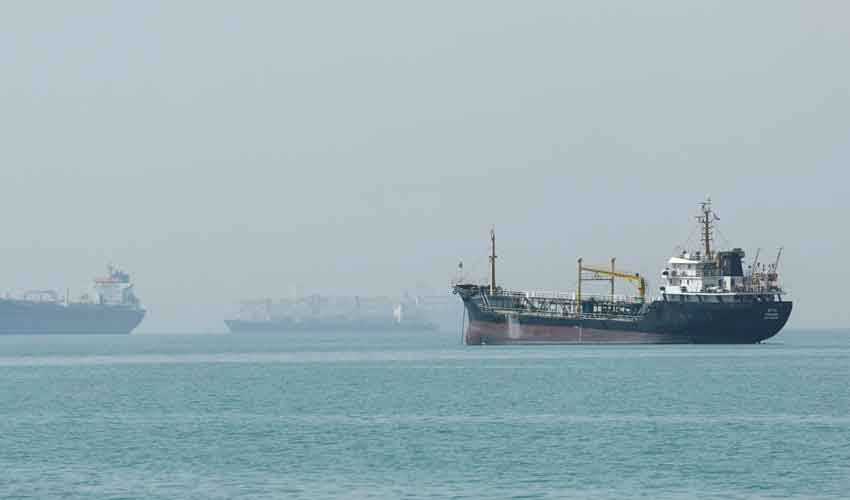
US President Donald Trump has faced criticism in the United States, including from within his own Republican Party, over the rising cost of the Iran war. The conflict also triggered a global spike in energy prices after Iran blocked the Strait of Hormuz, a key route for oil shipments.
Pentagon chief Pete Hegseth is seeking around $80 billion in supplemental funding to rebuild and strengthen defense supplies after the war.
The conflict entered a truce on April 8.
Islamabad MoU opens 60-day negotiation window
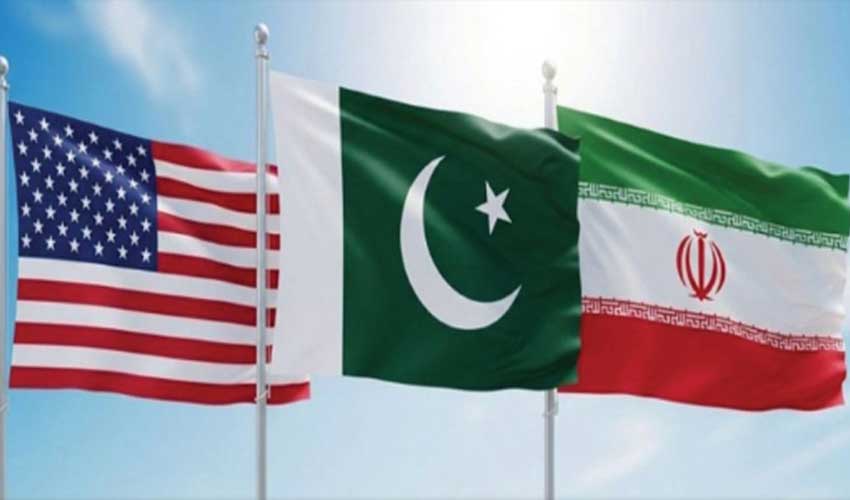
The United States and Iran last week reached a memorandum of understanding that opened 60 days of negotiations aimed at ending hostilities across the region.
The agreement, known as the Islamabad Memorandum of Understanding, followed months of conflict between Washington and Tehran. Israel is not a party to the MoU or the negotiations.
Israeli officials have criticized the agreement, saying it requires a halt to Israel’s operations against Iran’s Lebanese proxy Hezbollah while offering no concrete concessions from Tehran on its nuclear programme.
Public opinion turns against war
Public sentiment in the United States appears to have shifted sharply after the signing of the Islamabad MoU.
According to a national Quinnipiac University poll, 60% of American voters said US military action against Iran was “not worth it.”
The poll also found that 61% of voters believe Iran is still likely to develop nuclear weapons. The findings suggest that the deal has weakened public confidence in Washington’s ability to achieve one of its stated goals: the total destruction of Iran’s nuclear programme and military infrastructure.
Democrats and Republicans were not sharply divided on this point, with majorities in both parties saying Iran is either “very likely” or “somewhat likely” to develop nuclear weapons.
On February 28, US President Donald Trump, alongside Israeli Prime Minister Benjamin Netanyahu, launched the US-Israeli war on Iran, saying the aim was to “eliminate imminent threats from the Iranian regime.”
One of the main stated objectives was the destruction of Iran’s nuclear programme and military infrastructure.
Iran responded with retaliatory strikes on US military installations across the Gulf, killing 13 servicemembers and wounding hundreds, according to the report.








.jpeg)







