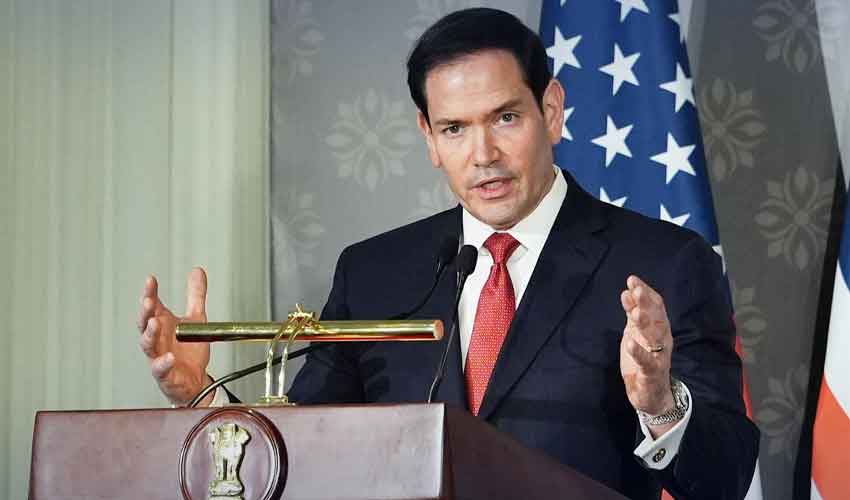
Technical-level negotiations between the United States and Iran will resume in Switzerland next week as both sides work toward implementing the recently signed Islamabad Memorandum of Understanding (MoU), US Secretary of State Marco Rubio announced on Wednesday.
The talks are part of a 60-day diplomatic process aimed at reaching a comprehensive agreement on Iran’s nuclear programme, sanctions relief and the implementation of the post-war framework.
Speaking to reporters during an official visit to Kuwait, Rubio said the technical group is expected to meet again on June 29 or 30.
“Well, the technical group will be back, I believe, on the 29th or the 30th. I believe they're going back to Switzerland, if I'm not mistaken. Either way, the technical group will reconvene again on, I believe it's the 30th,” Rubio said.
He explained that the negotiations would take place at the staff level and include officials from the US State Department, the Department of Energy and other government agencies responsible for technical aspects of the agreement.
Pakistan confirms talks will resume
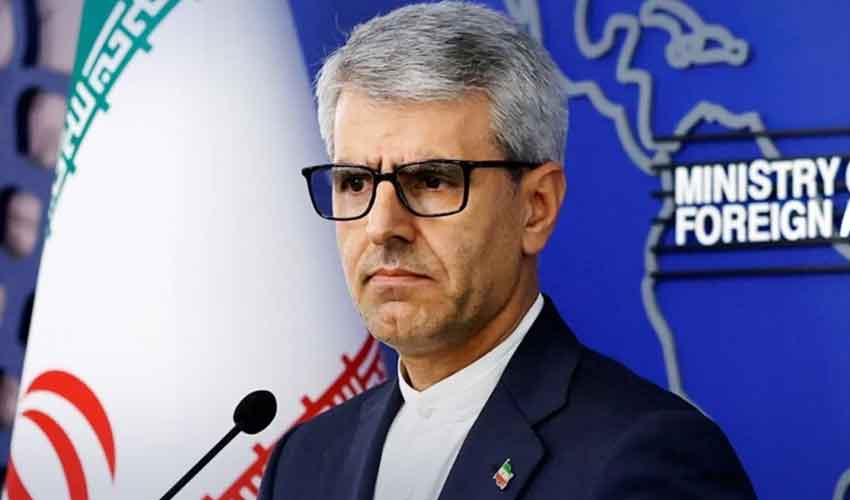
Earlier on Wednesday, Pakistan’s Foreign Office also confirmed that the technical-level negotiations would resume next week after a temporary pause.
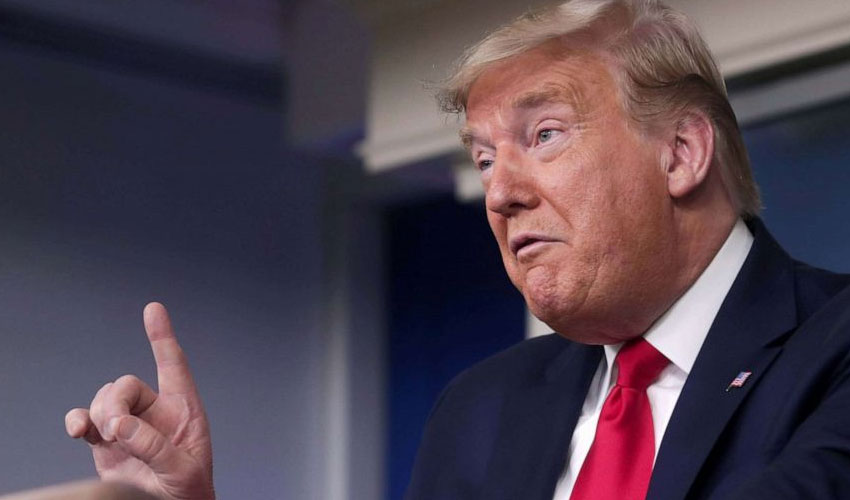
The negotiations follow the electronic signing of the Islamabad Memorandum of Understanding by US President Donald Trump and Iranian President Masoud Pezeshkian.
The agreement is intended to pave the way for ending the conflict launched by Washington and Tel Aviv against Iran on February 28 and establish a lasting peace framework.
Focus on nuclear programme, sanctions
Under the memorandum, Washington and Tehran have agreed to hold negotiations for 60 days, with the possibility of an extension, to reach a final agreement covering Iran’s nuclear programme and international sanctions.
Also Read: Iran warns US against changing terms of post-war MoU
Rubio said the current arrangement is temporary and depends entirely on both sides fulfilling their commitments.
“This is a temporary measure; it's for 60 days, and as a result, we expect them to live up to the commitments they make in Switzerland,” he said.
Rubio warns Iran over compliance
The US secretary of state stressed that Washington expects Iran to honour every commitment made under the interim agreement.
“If they don't live up to those commitments, the president has options at his disposal, including — I'm not saying he's going to do it — including reversing these sanctions,” Rubio said.
He added that President Donald Trump had made it clear that Iran must comply with the agreement if it wants negotiations to move forward.
“The president has been very clear — they need to keep those commitments. If they do, we'll keep forward. If not, the president will have options at his disposal for what to do about it. Let's hope they keep those commitments,” Rubio said.
Also Read: Trump says Iran making 'major concessions', denies role in school strike
He reiterated that the United States remains prepared to move ahead with the agreement if Iran fulfils its obligations.
“If Iran wants to make a good and real deal, the United States is open to that. If they're not, then of course the President has options,” he added.
Gulf tour aimed at reassuring regional allies
Rubio is on a three-day tour of the United Arab Emirates, Kuwait and Bahrain from June 23 to 25, focusing on the memorandum between the United States and Iran and broader regional security.
In Bahrain, he is scheduled to meet Gulf Cooperation Council leaders to discuss shared regional priorities. His visit is also aimed at reassuring Gulf allies that Washington will not compromise their security while negotiating with Tehran.
“We're going to be completely aligned with our partners in the Gulf,” Rubio said. “We're not going to do anything that undermines the security of our allies, our longstanding allies in the region.”
He added that US security commitments in the Gulf remain real and tangible. “The security assurances are real. They’re not promises; they’re actual.”
Meetings with Gulf leaders
During his regional tour, Rubio held talks in Abu Dhabi with UAE President Sheikh Mohamed bin Zayed Al Nahyan, National Security Adviser Sheikh Tahnoun bin Zayed Al Nahyan and Foreign Minister Sheikh Abdullah bin Zayed Al Nahyan.
The discussions focused on the Iran memorandum, regional stability and security guarantees.
In Kuwait, Rubio met Emir Sheikh Mishal Al-Ahmad Al-Jaber Al-Sabah and Crown Prince Sheikh Sabah Al-Khaled Al-Sabah before travelling to Bahrain.
Rubio defended the 60-day waiver on certain US oil sanctions imposed on Iran, describing it as temporary and reversible.
“Anytime you enter into a negotiation it’s a process of give and take,” he said. He warned that failure by Tehran to meet its obligations could result in the restoration of sanctions.
Rubio also suggested the Trump administration could reconsider temporary waivers related to Russian oil exports if global market conditions continue to improve.
When asked whether those waivers could expire, he replied: “Potentially,” pointing to falling oil prices.
Hormuz, inspections and regional security
Rubio firmly rejected reports that Iran could introduce transit fees for vessels passing through the Strait of Hormuz.
“I know of no country on the planet that supports tolling or fees for the use of the straits,” he said. “The whole world will be against it.”
He also urged Iran to allow international nuclear inspectors to return as soon as possible. “That needs to happen. That’s a commitment they made, and it’s one they need to keep.”
Rubio acknowledged that major issues remain unresolved, including Iran’s ballistic missile and drone capabilities and the future of its uranium enriched to 60%, just below weapons-grade level.
Lebanon and regional stability
Responding to questions about Iran’s conventional military capabilities, Rubio said the United States would not take any action that weakens the security of its regional allies.
Turning to Lebanon, he expressed hope that the country's legitimate and sovereign government would gradually regain control over more of its territory.
During his visit, Rubio attended a flag-raising ceremony at the US Embassy in Kuwait, which officially reopened after nearly four months of closure.
The embassy had suspended operations following drone and missile attacks during the regional conflict and has now resumed emergency consular services, with full services to return gradually.
The ceremony symbolised Washington’s effort to project stability and continuity even as negotiations with Iran enter a critical implementation phase.