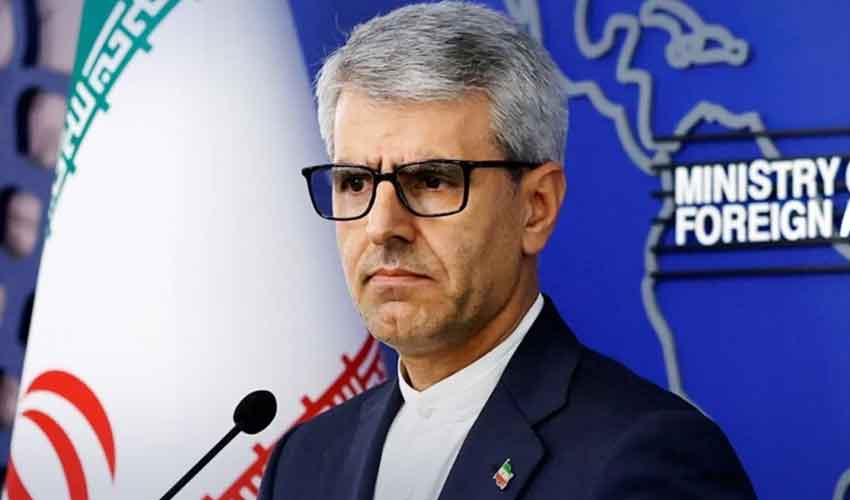
Iran on Wednesday sharply criticized the United States over its public handling of the recent post-war memorandum of understanding, warning that contradictory statements from American officials could deepen mistrust and undermine efforts for lasting peace.
Iranian Foreign Ministry spokesperson Esmaeil Baqaei said Tehran had joined the Pakistan-mediated diplomatic process in good faith, despite decades of distrust toward Washington.
In a post on X, Baqaei said the United States had never demonstrated sincerity in its conduct toward the Iranian nation.
He said Iran had valid reasons to distrust Washington but still entered the diplomatic process with serious intent and signed the memorandum of understanding to end what Tehran calls the imposed war.
هیأت حاکمه آمریکا هیچگاه در رفتارش نسبت به ملت ایران صداقت نشان نداده است. ایران در عین اینکه برای این بدگمانی منطق داشت، با حسن نیت وارد روند دیپلماتیک شد و یادداشت تفاهم خاتمه جنگ تحمیلی را امضاء کرد. ایرانیان میدانند کینهتوزی دشمن، با امضای یک تفاهم پایان نمییابد و هر گامی…
— Esmaeil Baqaei (@IRIMFA_SPOX) June 24, 2026
“The US governing establishment has never demonstrated sincerity in its conduct toward the Iranian nation,” Baqaei said.
Tehran warns against contradictory statements
Baqaei said contradictory statements by US officials about the memorandum would not help reduce the accumulated mistrust among Iranians.
Instead, he warned, such remarks would only remind Iranians of previous broken commitments by Washington.
“Contradictory statements by US officials regarding the memorandum of understanding to end the imposed war will not help reduce the accumulated mistrust of Iranians; rather, they only serve as a reminder of past breaches of commitments,” he said.
‘Commitment for commitment’ principle
The Iranian spokesperson urged the US administration to strictly follow the explicit text of the MoU and avoid interpretations that contradict the agreed framework.
Also Read: Trump says Iran making 'major concessions', denies role in school strike
He said the principle of “commitment for commitment” requires both sides to fulfill their obligations.
“The US governing establishment must bear in mind that the principle of ‘commitment for commitment’ requires reciprocal fulfillment of obligations and avoidance of interpretations that are entirely contrary to the explicit text of the memorandum of understanding,” Baqaei said.
Iran says it will remain vigilant
Baqaei said the Iranian people know that hostility does not end with the signing of an agreement. He added that Tehran would take every step with vigilance, keeping in view the experience of the past five decades and regional developments over the past year and a half.
No one will be fooled; we can't have a peaceful region so long as American militarism and interventionism persist, and their occupying proxy continues, with absolute impunity, to inflict endless wars across the region and perpetrate genocide, terror violence and every atrocities. pic.twitter.com/JtkzynX8p9
— Esmaeil Baqaei (@IRIMFA_SPOX) June 24, 2026
“Iranians are aware that the hostility of the enemy does not end with the signing of an understanding,” he said.
Rubio says Iran must meet commitments
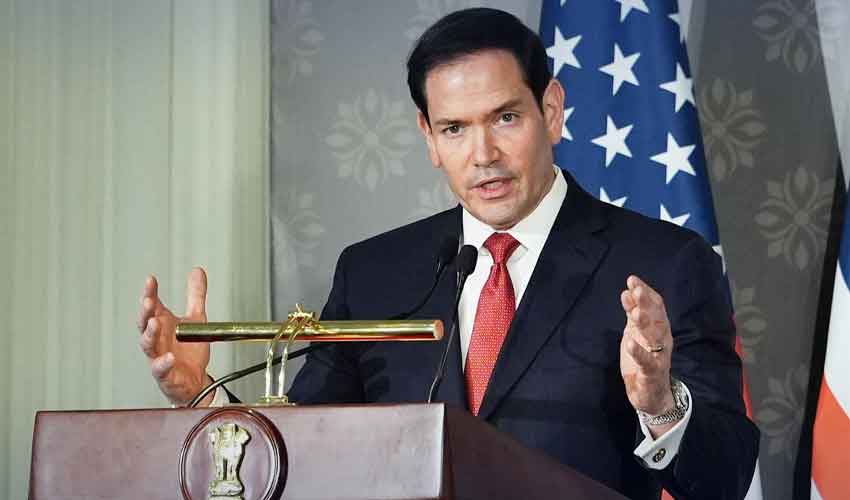
Although Baqaei did not initially specify which US comments prompted Iran’s warning, his remarks came after US Secretary of State Marco Rubio said Iran must fulfill commitments made during talks in Switzerland.
“We expect them to live up to the commitments they made in Switzerland,” Rubio told reporters.
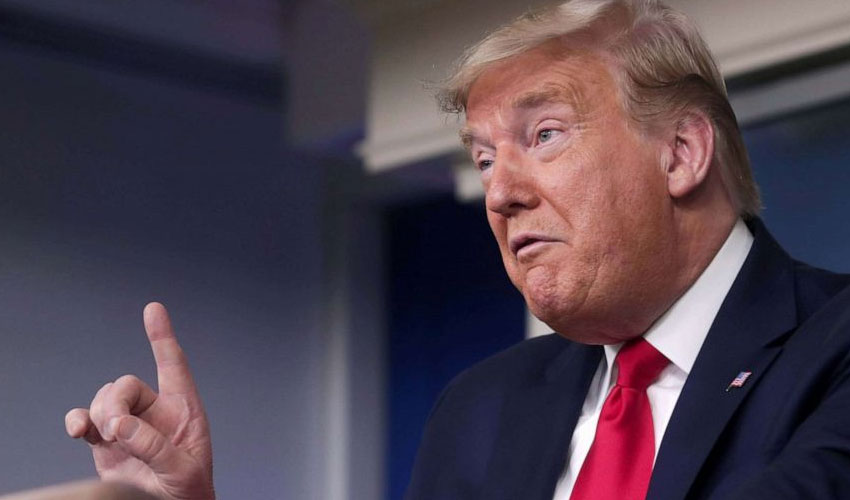
He warned that if Iran failed to meet those commitments, President Donald Trump had several options available, including reversing sanctions.
Rubio said Iran had made “very straight-up commitments” in Switzerland and that Trump had been clear that Tehran must keep them.
US presses for nuclear inspections
Asked when international nuclear inspectors should be allowed into Iran, Rubio said they should enter “as soon as possible.”
“That needs to happen. That’s a commitment they made, and it’s one they need to keep,” he said.
Rubio added that any future agreement with Iran must be fully implemented. “If we’re going to get a deal, it has to be a real deal, and it has to be a good deal,” he said.
He added that the United States remained open to a strong agreement if Iran wanted one, but said Trump had options if Tehran did not comply.
Dispute over Lebanon and regional hostilities
Iran also strongly rejected Rubio’s interpretation of the MoU after he claimed that US-Iran negotiations and Israel-Lebanon talks were separate tracks.
Rubio made the remarks after arriving in Abu Dhabi during a three-nation Persian Gulf tour aimed at briefing regional allies on the US-Iran agreement.
He said “the future of Lebanon belongs to the Lebanese people through their sovereign elected government” and that Washington would deal directly with Beirut.
Tehran says MoU covers all fronts
Iran insists that the MoU, signed on June 17 and mediated by Pakistan, commits both sides to an “immediate and permanent termination of military operations on all fronts, including in Lebanon.”
Rubio, however, argued that a complete end to hostilities across the entire region was not possible.
His remarks came after Israeli military affairs minister Israel Katz said Israel would not withdraw from southern Lebanon even if requested by the United States.
Responding to Rubio’s comments, Baqaei said “no one will be fooled” by such an interpretation of the agreement. He said the region could not be peaceful as long as American militarism and interventionism continued.
In a clear reference to Israel, Baqaei accused Washington’s “occupying proxy” of carrying out wars, genocide, terror violence and other atrocities across the region with impunity.
Background to post-war framework
US President Donald Trump and Iranian President Masoud Pezeshkian electronically signed the memorandum of understanding on June 17. The agreement is aimed at ending the war and moving both sides toward a lasting peace framework.
Tensions in the region had escalated after the United States and Israel launched strikes against Iran on February 28.
Tehran responded with retaliatory attacks targeting US assets across the Middle East before a ceasefire took effect on April 8.