Today marks the longest day and shortest night of the year across the Northern Hemisphere, including Pakistan, as the Summer Solstice takes place.
The annual astronomical event occurs when the Earth's North Pole is tilted most directly toward the Sun, resulting in the maximum number of daylight hours of the year.
What is Summer Solstice?
The Summer Solstice, also known as the June Solstice, occurs when the Earth's North Pole is tilted toward the Sun at its maximum angle.
During this time, the Sun appears at its highest point in the sky and is positioned farthest north of the Equator, giving countries in the Northern Hemisphere their longest day and shortest night.
The event is often associated with the beginning of astronomical summer.
How long will daylight last in Pakistan?
Depending on the location, people in Pakistan will experience between 14 and 15 hours of daylight today.
After the Summer Solstice, daylight hours will gradually begin to decrease until the Northern Hemisphere reaches its shortest day and longest night in December.
One of the longest periods of daylight today will be experienced in central parts of Alaska in the United States, where sunlight will last for more than 21 hours.
Meanwhile, Antarctica is currently experiencing continuous darkness as the Southern Hemisphere enters its winter season.
For countries south of the Equator, today marks the shortest day and longest night of the year.
A common misconception is that summer occurs because Earth is closer to the Sun.
In reality, Earth is actually farther from the Sun during the Northern Hemisphere's summer and closer during winter.
Scientists explain that seasonal temperature changes are caused by the tilt of Earth's axis rather than its distance from the Sun.
Traditions, celebrations around the world
The Summer Solstice has inspired cultural celebrations for centuries.
In Sweden, the event is celebrated as Midsummer, one of the country's most important festivals, featuring fairs, music, and traditional gatherings.
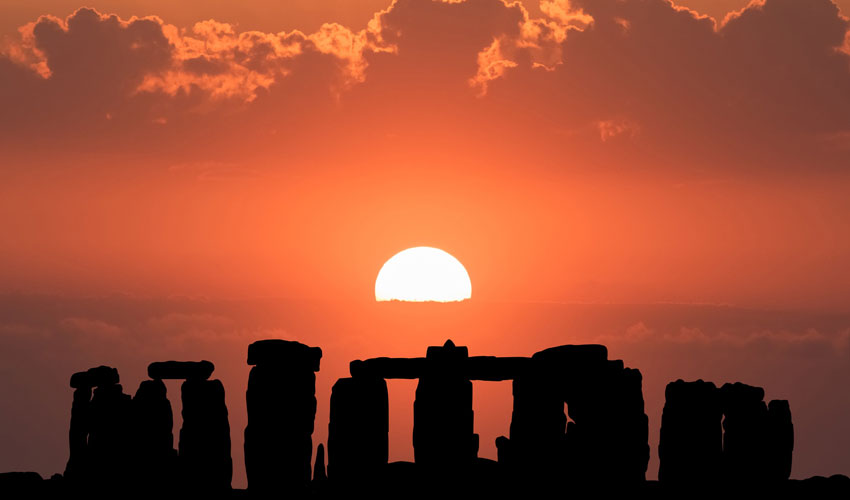
In the United Kingdom, thousands of people gather at the ancient monument of Stonehenge to watch the sunrise and take part in special solstice celebrations.
The Summer Solstice has long been associated with fertility, agriculture, and the growing season because crops flourish during this period of extended sunlight.
In ancient Egypt, the event was linked to the beginning of the new year and held significant cultural importance.
For several days around the solstice, the Sun appears to pause its movement in the sky before gradually shifting position again throughout the rest of the year.
.jpg)








.jpg)