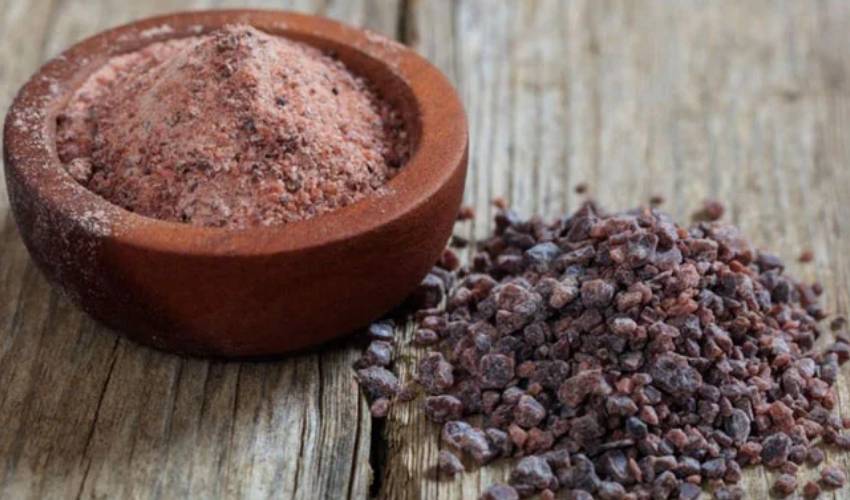
A new scientific review has highlighted the potential health benefits of traditional black salt, describing it as more than just a flavor-enhancing seasoning.
Researchers say the mineral-rich salt may offer a range of health advantages, from supporting heart function to improving digestion.
Rich in essential minerals
According to experts, black salt contains relatively less sodium than regular table salt while providing higher amounts of important minerals such as iron, calcium and magnesium.
These nutrients play a vital role in maintaining overall health and supporting various bodily functions.
Researchers found that naturally occurring sulfur compounds in black salt may help produce beneficial elements in the body that support cardiovascular health, improve blood vessel function and reduce inflammation.
The review also suggests that components of black salt may help improve kidney function and reduce oxidative stress, a condition linked to cell damage and chronic diseases.
Supports digestion, immunity
Experts noted that black salt contains compounds associated with Triphala, a traditional herbal formulation known for its digestive benefits.
These components may help improve gut health, stimulate digestion and strengthen the body's immune system. Researchers also found that black salt may support the growth of beneficial gut bacteria.
Benefits for oral health
Studies indicate that black salt may help reduce the growth of harmful bacteria in the mouth, contributing to healthier gums and fresher breath.
Researchers say its antibacterial properties could make it a useful addition to oral hygiene practices.
Popular ingredient in vegan foods
Known for its distinctive aroma and egg-like flavor, black salt is widely used in vegan cuisine around the world. It is commonly added to tofu dishes, salads, vegetables and beverages to enhance taste.
While preliminary scientific evidence points to several potential health benefits of black salt, experts caution that more comprehensive and long-term studies are required to fully confirm these findings.
Researchers say current evidence is promising, but additional clinical research is necessary before definitive health claims can be made.







.jpg)