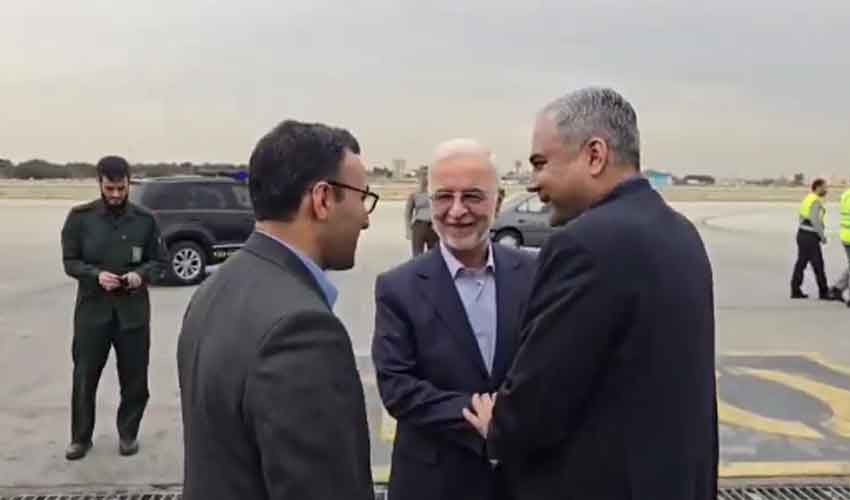
Interior Minister Mohsin Naqvi will visit Tehran today as part of Pakistan’s ongoing efforts to reduce tensions and support peace in the Middle East, according to the Iranian news agency.
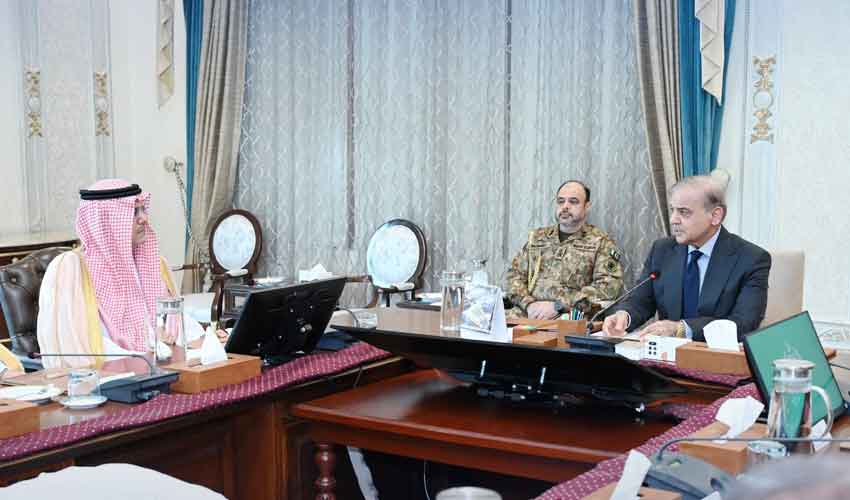
Naqvi returned to Pakistan from Kyrgyzstan and met with Prime Minister Shehbaz Sharif, who gave him special instructions regarding the Iran-US negotiations.
Naqvi is expected to leave for Iran tonight, carrying a special message from Field Marshal Asim Munir for Supreme Leader Mojtaba Khamenei. His visit is being described as part of mediation efforts aimed at discussing the regional situation and possible steps to reduce tensions.
The Field Marshal's message is expected to lead to significant progress in the Iran-US peace deal, and Naqvi's immediate departure to Iran is being described as extremely important.
According to the Iranian media, Naqvi is scheduled to meet the Iranian Supreme Leader and Foreign Minister Abbas Araghchi.
Naqvi has previously visited Iran, where he held important meetings with Iranian President Masoud Pezeshkian and Foreign Minister Araghchi.
Sources said he had earlier travelled to Tehran on May 18 and May 20.
Before the planned Tehran visit, Mohsin Naqvi held three meetings in one day with his Iranian counterpart in Bishkek. The meetings took place during his visit to Kyrgyzstan, where he attended the SCO Interior Ministers’ Meeting and met several regional leaders.
The discussions are being seen as part of broader diplomatic engagement at a sensitive time for the region.
Meetings with five interior ministers
In Bishkek, Naqvi held separate meetings with the interior ministers of Russia, Tajikistan, Uzbekistan, Kyrgyzstan and Kazakhstan. The meetings focused on increasing cooperation in counter-narcotics, prevention of illegal immigration and other areas of common interest.
Officials said the engagements were aimed at strengthening regional security cooperation and improving coordination between interior ministries.
Agreements signed with Russia
During his meeting with Russian Interior Minister Vladimir Kolokoltsev, Naqvi signed important agreements. The two sides agreed to increase Pakistan-Russia cooperation to prevent illegal immigration. They also agreed to enhance mutual cooperation for the repatriation of citizens living illegally in each other’s countries.
The meeting also focused on increasing cooperation to prevent drug and narcotics trafficking.
Afghan security concerns discussed with Tajikistan
Mohsin Naqvi also met Tajik Interior Minister Ramazan Rahimzadeh in Bishkek. The two sides discussed insurgent camps in Afghanistan and agreed that terrorist camps and drug production there pose a security concern for the entire region.
The Pak-Tajik interior ministers said 25 different terrorist organizations are currently active in Afghanistan.
Cooperation with Uzbekistan
Naqvi held a meeting with Uzbekistan’s Interior Minister Major General Aziz Tashpulatov. The discussion focused on cooperation and joint training between law enforcement agencies.
It was decided that a working group would be formed to increase cooperation between the two interior ministries.
Talks with Kyrgyzstan
Mohsin Naqvi also met Kyrgyz Interior Minister Niyazbekov Ulan Omokanovich. Both sides agreed to enhance cooperation in areas of common interest.
Naqvi congratulated Kyrgyzstan on being elected as a non-permanent member of the United Nations Security Council. He also thanked his Kyrgyz counterpart for the excellent arrangements made for the SCO Interior Ministers’ Meeting.
The interior minister also met Kazakhstan’s Interior Minister Yerzhan Sadenov. The two sides agreed to increase cooperation to prevent illegal immigration.
The interior ministers also decided to establish a working group between their ministries to expand mutual cooperation.
Pakistan continues regional diplomacy
Mohsin Naqvi’s expected visit to Tehran comes after a busy round of regional diplomacy in Bishkek.
Officials say Pakistan is focusing on mediation, regional stability and practical cooperation on security issues, including terrorism, drug trafficking and illegal migration.
The Tehran visit is expected to focus on the Middle East situation and efforts to reduce tensions through diplomatic engagement.