With hot summer weather sweeping across many regions, people often turn to cold drinks for relief.
According to reports, the health experts, however, have warned that several popular beverages may do more harm than good during extreme heat.
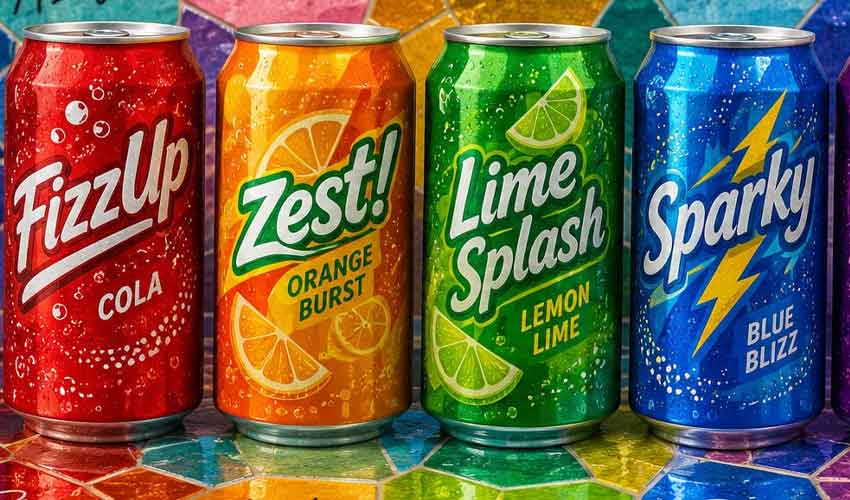
Soft drinks were listed among the beverages that should be avoided in summer. Experts said fizzy drinks increase the risk of diabetes, cardiovascular disease and poor dental health, while also contributing to dehydration.
Research by the American Physiological Society (APS) found that consuming carbonated drinks for rehydration may worsen dehydration and raise the risk of kidney injury compared with plain water.
Alcohol was also discouraged during hot weather because it acts as a diuretic, increasing urine production and raising the likelihood of dehydration.
Experts further advised against excessive intake of hot beverages such as tea and coffee during summer. They said high outdoor temperatures already raise body heat, while consuming drinks above room temperature may increase discomfort, bloating and digestive irritation.
Energy drinks were termed as another unhealthy option in extreme heat due to their high caffeine and sweetener content. Medical specialists warned that overconsumption may lead to irregular heartbeat, high blood pressure, anxiety, seizures and mood changes. The sugar contained in such drinks may also cause a sudden drop in blood sugar levels after a temporary surge in energy.
Lemon juice may appear refreshing in summer, but experts noted that many commercially available lemon drinks contain large amounts of sugar and artificial flavouring with little real lemon content. Such drinks may also contribute to spikes in blood sugar levels.
Fruit juices were also highlighted as a concern. While juices retain some nutrients from fresh fruits and vegetables, much of the beneficial fibre is lost during processing, allowing sugar to enter the bloodstream more rapidly. Experts said fresh whole fruit remains a healthier option, particularly as many packaged juices contain more sugar than consumers realise.