Air pollution has emerged as a major threat to human life in Pakistan, with nearly 135,000 people dying prematurely each year, the federal minister for climate change informed the National Assembly.
According to details surfaced on Sunday, a written reply submitted to the lower house disclosed that toxic air and smog were reducing the average life expectancy of Pakistanis by up to two years and seven months.
Fine poisonous particles, known as PM2.5, have become the gravest danger to public health. The report stated that the particles were causing an alarming rise in heart, lung and respiratory diseases across the country.
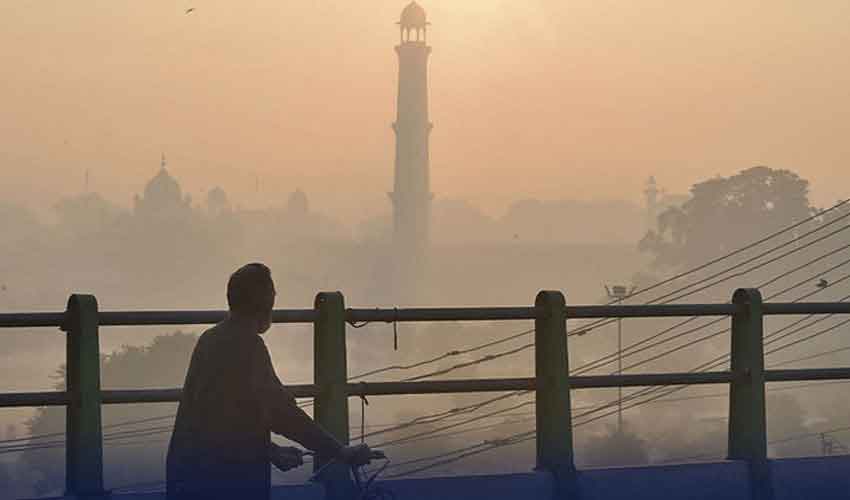
Major cities, particularly Lahore and its surrounding areas, were identified among regions facing severe smog and hazardous air pollution. The report described the situation as a serious public health issue, which worsens during the winter season.
The written reply warned that Pakistan’s urban population could reach 120 million by 2030, further intensifying air pollution levels.
To tackle the situation, the government has accelerated joint federal and provincial measures under the National Clean Air Policy 2023. Authorities have also decided to tighten monitoring and enforcement against the burning of agricultural residue, smoke-emitting vehicles and industrial pollution.
Toxic air and smog are reducing life expectancy and driving a rise in respiratory and heart diseases across Pakistan.



.jpg)