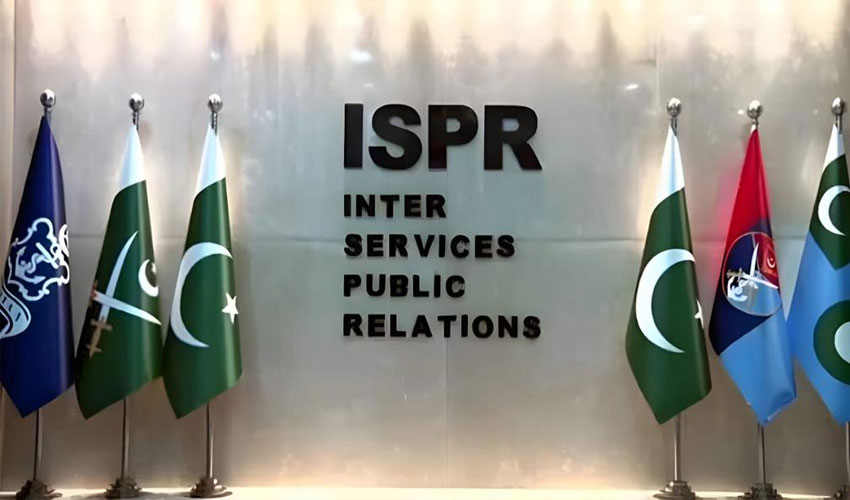
The Inter-Services Public Relations (ISPR) has issued a strong response to what it described as provocative comments made by the Indian Army Chief General Upendra Dwivedi during a recent interview.
According to ISPR, the remarks suggesting that Pakistan should decide whether it wants to remain “part of geography and history” reflect an “expression of bankruptcy and madness.”
The statement added that such language is not consistent with responsible military leadership, especially between nuclear-armed neighbours.
Warning over regional stability
ISPR further warned that any attempt to pursue such extreme thinking would have severe consequences.
It stated that the outcome of any “geographical disaster” would be “complete and two-sided,” highlighting the risks of escalation between the two nuclear powers.
The response emphasized that war rhetoric has repeatedly pushed South Asia toward crises and instability in the past.
ISPR also reiterated that Pakistan remains a nuclear power and an established reality in South Asia.
It noted that despite eight decades having passed, elements of Indian leadership have not fully accepted Pakistan’s existence as a sovereign state.
According to the statement, such attitudes reflect an inability to move beyond historical tensions and have repeatedly contributed to regional instability.
Allegations of aggressive posturing
The military’s media wing further accused what it described as “arrogance and war mindset” of contributing to repeated tensions in the region.
It warned that provocative narratives and hostile rhetoric could push South Asia toward conflict, which would have wider global implications.
ISPR urged restraint and responsible communication, especially given the nuclear capabilities of both countries.
The statement concluded by stressing the importance of peaceful coexistence between India and Pakistan.
It warned that any attempt to escalate tensions or target Pakistan could lead to consequences that would not remain limited to the region.
ISPR emphasized that stability in South Asia depends on maturity, restraint, and recognition of geopolitical realities.




.jpg)