Iran has introduced a new system to regulate shipping through one of the world’s most critical energy corridors, tightening its grip on maritime traffic amid an escalating standoff with the United States.
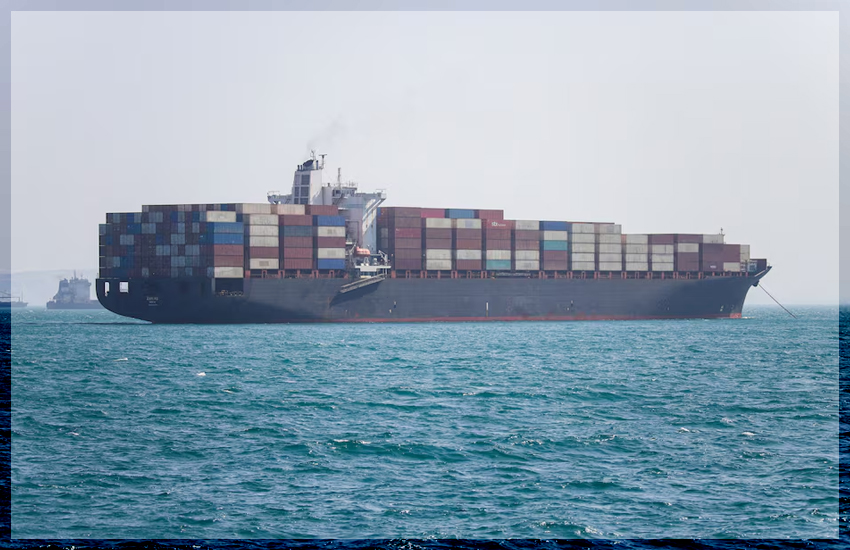
State media in Iran reported that authorities have established a framework to manage vessel movement through the Strait of Hormuz, a key route for global oil shipments.
Under the system, ships planning to pass through the strait are contacted via email by an authority identified as the Persian Gulf Strait Authority (PGSA), outlining rules governing transit.
Vessels are required to comply with the specified procedures before being granted permission to cross, according to the report.
Tighter Control
The move reflects a broader effort by Tehran to assert control over navigation in the strait, through which a significant portion of the world’s seaborne oil flows.
Iran has also issued updated guidance, including designated routes and an expanded area it considers under its operational control, as tensions rise in the region.
Officials have warned that all commercial vessels must coordinate their passage with Iranian authorities, while reiterating that foreign military forces, particularly the US Navy, should remain outside the area.
Standoff With US Intensifies
The new mechanism comes against the backdrop of a growing confrontation between Iran and the United States over access to the waterway, following the outbreak of the US-Israeli war on Iran in late February.
Washington has deployed naval assets to the Gulf to support commercial shipping and maintain freedom of navigation, while Iran has imposed stricter oversight of maritime movements.
The competing measures have added uncertainty for global shipping firms, many of which remain cautious about resuming normal operations through the strait.
Impact on Global Energy Flows
The Strait of Hormuz is a vital artery for energy markets, and any disruption to transit has immediate implications for oil supply and prices worldwide.
Analysts say Iran’s latest step could further complicate efforts to restore regular shipping, as vessels may face additional compliance requirements and delays before securing passage.
With both sides maintaining their positions, the situation underscores the fragility of maritime security in the region and the potential for further escalation.