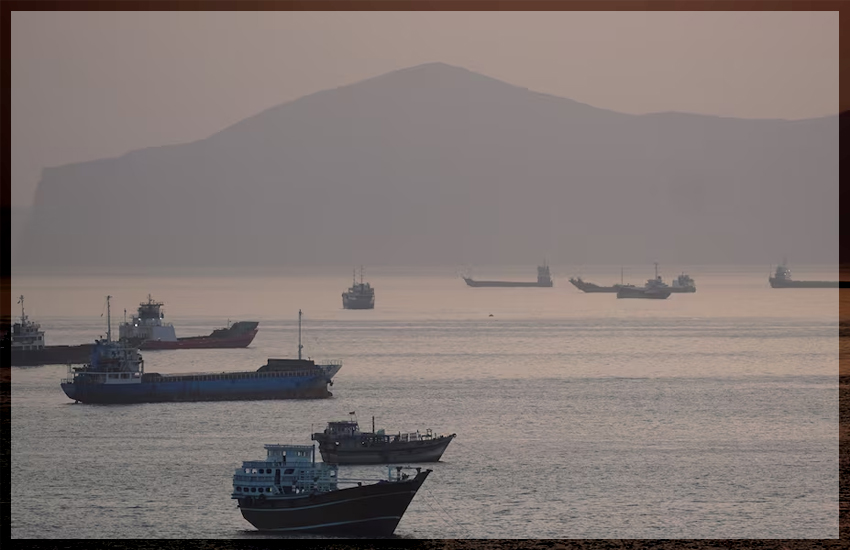
US forces have moved to assert control over a vital global shipping route, as Washington steps up its response to disruptions in the Strait of Hormuz amid its ongoing conflict with Iran.
US Deploys Destroyers
The US Central Command said on Monday that two US Navy guided-missile destroyers had entered the Gulf, while two US-flagged commercial vessels safely transited the strait under American military oversight.
The deployment comes after Iran said it had prevented a US warship from entering the Gulf, a claim quickly rejected by US officials.
CENTCOM said the operations are part of President Donald Trump’s initiative, dubbed “Project Freedom”, aimed at assisting commercial vessels stranded due to the conflict and restoring maritime traffic through the region.
“American forces are actively assisting efforts to restore transit for commercial shipping,” the command said, adding that military assets were supporting safe passage through the waterway.
Rising Tensions Over Strategic Waterway
The intervention has heightened the risk of direct confrontation between Washington and Tehran in one of the world’s most critical energy corridors, which typically handles about a fifth of global seaborne oil and gas.
Earlier on Monday, Iranian officials said their navy had issued a warning to a US warship, forcing it to turn back. A senior Iranian official said a warning shot had been fired, though it remained unclear whether any damage had occurred.
Iranian media went further, reporting missile strikes near the port of Jask, but CENTCOM denied that any US vessel had been hit.
Oil markets reacted sharply to the developments, with prices initially rising by about 5% before paring gains to around 2.5% later in the day.
Shipping Risks Persist Despite US Action
Despite the US move to escort vessels, the shipping industry remains cautious about resuming normal operations through the strait, which has been largely closed for nearly two months due to the conflict.
Iran’s navy said it had blocked “American-Zionist” warships from entering the area and reiterated that maritime security in the strait remains under its control.
In response to Trump’s plan, Iran’s military command warned commercial vessels and oil tankers against moving without coordination.
“We have repeatedly said the security of the Strait of Hormuz is in our hands,” said Ali Abdollahi, adding that any foreign forces attempting to enter the area risked being targeted.
US Outlines Broader Military Support
CENTCOM said it would back the initiative with around 15,000 personnel, along with more than 100 aircraft, warships and drones to secure maritime routes and maintain pressure on Iran.
Trump said the United States would ensure safe passage for commercial shipping, adding that vessels stranded in restricted waters would be guided out so they could resume operations.
“Our support for this defensive mission is essential to regional security and the global economy,” said Brad Cooper.
The standoff continues to disrupt global trade and energy supplies, with analysts warning that any escalation in the strait could have far-reaching consequences for oil markets and the wider economy.