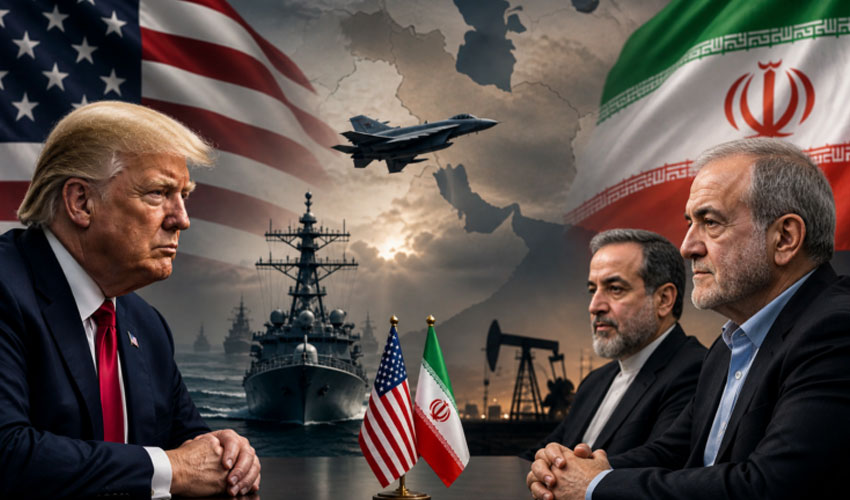
Iran has submitted a 14-point response to a United States proposal aimed at ending the ongoing conflict involving Iran, the US, and Israel.
The development comes as diplomatic efforts intensify alongside continued tensions in the region. US President Donald Trump says he is reviewing the proposal.
Iranian state-linked media, including Tasnim News Agency and Press TV, reported that Tehran has formally submitted a 14-point plan in response to a US proposal.
The conflict reportedly began after US and Israeli strikes on Iran on February 28, according to the report.
Key demands in Iran’s proposal
The Iranian plan outlines a framework to resolve the conflict within 30 days, rejecting the US proposal for a two-month ceasefire.
Iran has proposed that all issues be resolved and the war ended within one month.
This marks a significant divergence from the US approach, which reportedly focused on a longer ceasefire period.
Major conditions outlined by Tehran
Iran’s proposal includes several key demands aimed at de-escalation and long-term security guarantees.
The plan calls for guarantees against future military attacks and the withdrawal of US forces from areas surrounding Iran.
It also demands an end to the naval blockade and cessation of hostilities in the region, including Lebanon.
Iran has also demanded the release of frozen assets, lifting of sanctions, and payment of reparations.
Additionally, Tehran has proposed a new mechanism for governing the Strait of Hormuz, a vital global shipping route.
According to reports cited by international media, including Axios, Iran’s proposal includes a one-month timeline for negotiations on reopening the Strait of Hormuz and ending the US naval blockade.
A second phase of talks would then focus on Iran’s nuclear program once broader issues are addressed.
Trump’s remarks
US President Donald Trump said he is reviewing Iran’s latest proposal but expressed skepticism over its acceptance.
He described ongoing US measures as a “friendly blockade,” saying they are more effective than military strikes.
Trump also warned that further military action remains a possibility if Iran “misbehaves,” while insisting Iran has not yet faced full consequences for its actions.
Reports suggest Iran has softened some of its earlier positions, signaling willingness to negotiate if certain conditions are met, including easing of US sanctions.
Some media reports indicate Tehran may be open to phased talks, with nuclear negotiations addressed at a later stage.
Pakistan’s Role
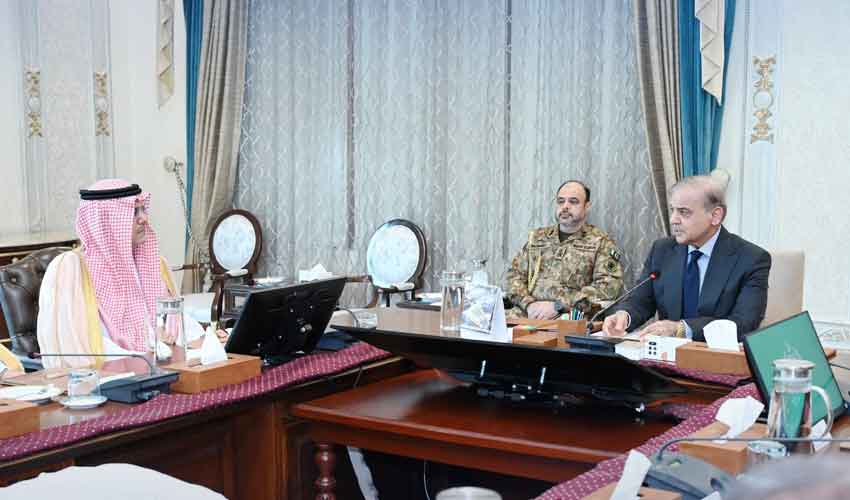
Iran is also reportedly preparing for possible next-round discussions in Pakistan, though no official confirmation has been issued by Tehran.
Earlier diplomatic engagement in Islamabad did not produce a final agreement, but mediators continue to play a role in facilitating communication.