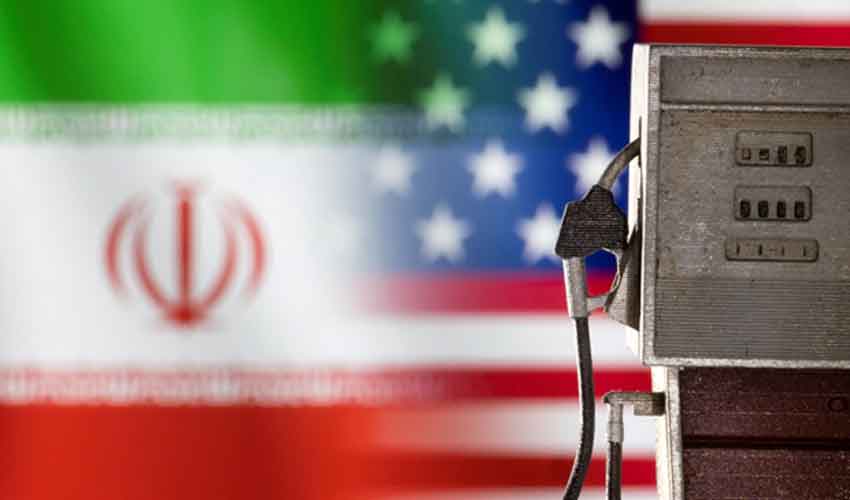
Global oil flows are disrupted as tensions rise in US and Iran conflict, driving a surge in gas prices and contributing to economic instability.
The Strait of Hormuz is under pressure and energy markets remain volatile. A resolution remains unpredictable.
An indication of escalating tensions, Iran wants to have a hold on the Strait of Hormuz for its trade and economic survival, and the US is at odds with Iran. Since the conflict began, it has affected the economy, causing inflation globally. According to Mr Patrick De Haan, Head of Petroleum Analysis at GasBuddys, in a post on X, a $4 per gallon national average breaches a psychological wall.
Gas Prices Surge Since War Began
Fluctuations in gas prices in recent months, as recorded by the American Automobile Association (AAA):
·$2.98 on February 26
·$3.98 on March 26
·$4.02 on March 31
·$5.87 on April 6
·Around $4.099 currently
According to the automobile association data, in Illinois, Chicago average gas price is approximately $4.330 per gallon, whereas the global average gas price rose to $4.16 per gallon, which is still below the record in June 2022, when gas prices hit $5.01 per gallon.
This significant increase has raised tensions and contributed toeconomic instability on a large scale.
Why US-Iran Islamabad Talks Failed to Yield a Deal
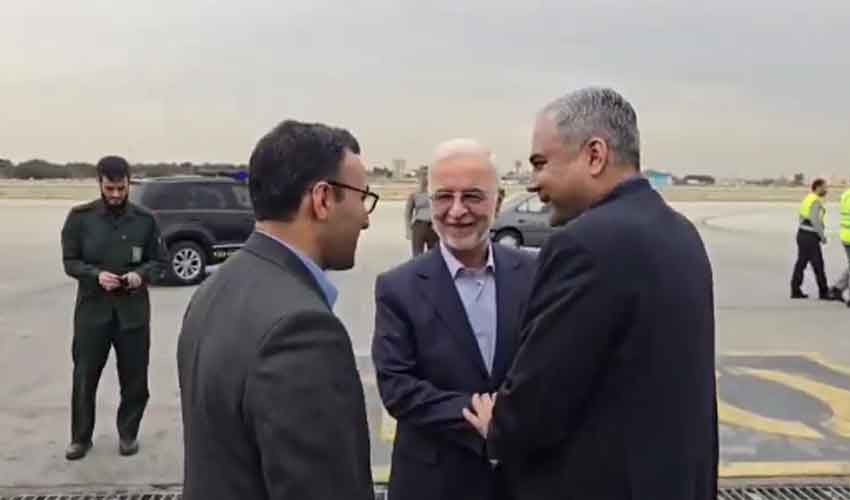
Despite the extensive efforts by Pakistan officials in Islamabad, the 21-hour negotiations did not progress, as both the US and Iran didn’t agree on each other’s terms and conditions.
US President Donald Trump is known for his efforts at playing the peacemaker around the world. He took over the presidency with an agenda and promise to the public that he will resolve all global conflicts and war, bringing peace.
And he has also expressed interest in winning the Nobel Prize for his role in ceasefire efforts, between Pakistan and India on May 10, 2025.
Following this, there are expectations that similar efforts could take place between the US and Iran.
Recently, US President Donald Trump has warned Iran not to attack or retaliate with “fast attack” ships. Otherwise, Iran would face serious consequences. As a response, an Iranian military spokesperson said that any such blockade from US side would be illegal or an act of piracy. He further stated, according to state media that Iran would ensure no Gulf port or the Gulf of Oman remains secure in such a scenario.
Why US Wants a Blockade
The US wants a blockade on the Strait of Hormuz because US knows that Iran depends on Strait for their trade and is using the Strait of Hormuz as a power tool or immunity to refuse any restrictions from the US side as for Iran to surrender is a threat to Iran’s sovereignty, military power and nuclear weapons.
Question of Peace
The situation is volatile and unpredictable; Iran’s actions do not indicate that it would surrender in any case. Similarly, the US is also inflexible, which shows that US and Iran both remain firm and are unwilling to back down. Middle East has been caught up in the middle of these global tensions. The conflict is getting sensitive day by day.
Keeping in view all the facts and the analysis by strategists from the Australian Macquarie Group, they warn that if this war continues, gas prices would rise to $200 per barrel, leading to severe economic instability.