






.jpg)
Iran has adopted a framework of indirect negotiations with the United States rather than direct talks, following domestic opposition to face-to-face engagement.
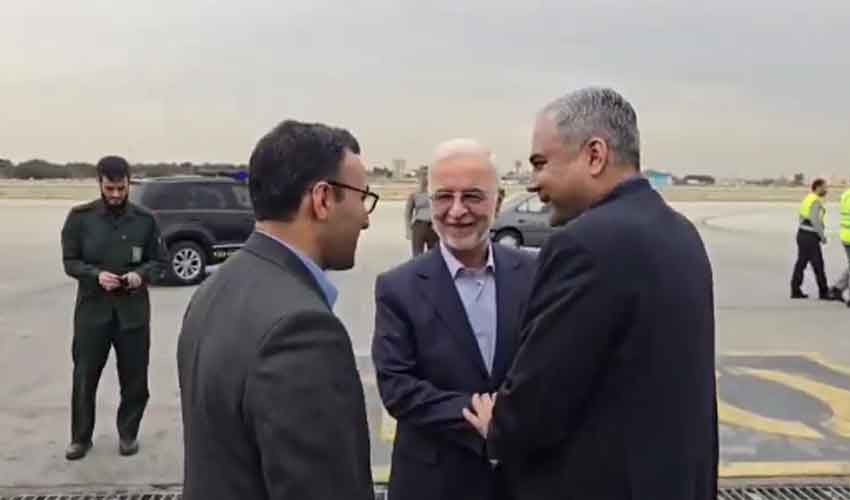
Discussions are proceeding through intermediaries, with Pakistan’s proposal forming the basis of the arrangement, while Oman and Russia are assisting in maintaining effective channels of communication.
The shift reflects a change in format rather than substance, as dialogue continues despite internal sensitivities in Iran regarding direct engagement.
Tehran has not retreated from its position but adjusted its approach, using indirect talks as a means to sustain communication while managing domestic pressures.
The absence of direct negotiations does not signify failure but represents a considered strategy; in complex disputes, progress has often begun through indirect contact.
Engagement through intermediaries allows both sides to remain in contact without political strain, while technical-level discussions continue in parallel.
Pakistan, Oman and Russia’s multi-layered facilitation is forming a resilient communication framework, reducing the risk of deadlock.
Pakistan is playing a central role, positioning itself as a bridge to enable dialogue, maintaining neutrality and supporting efforts to ease tensions.
The narrative of diplomatic stagnation is misleading; negotiations remain active, gradual and guided by strategy.
Phased diplomacy provides both sides with the space to assess positions, build confidence and manage internal pressures ahead of any direct talks.
This is not a failure of diplomacy but a structured and deliberate negotiating framework, with Pakistan emerging as a key facilitator helping sustain dialogue and prevent escalation.






.jpg)







