Iran has confirmed that indirect exchanges with the United States are continuing through Pakistan following recent negotiations in Islamabad that ended without a breakthrough.
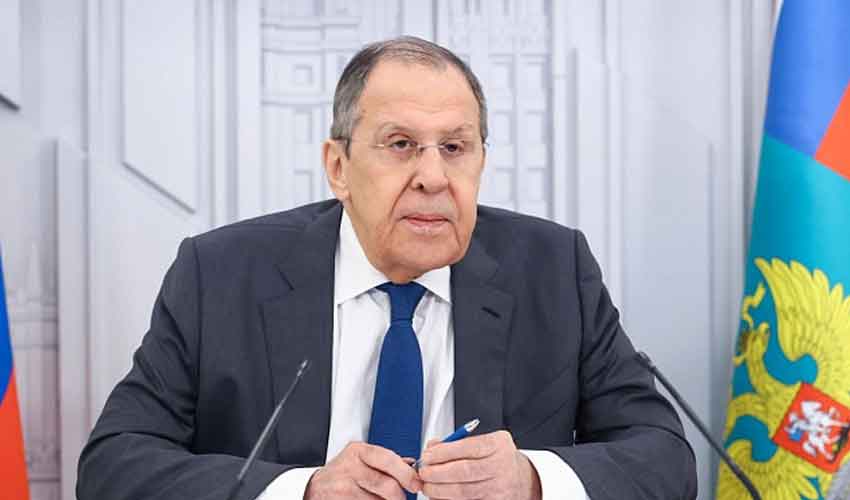
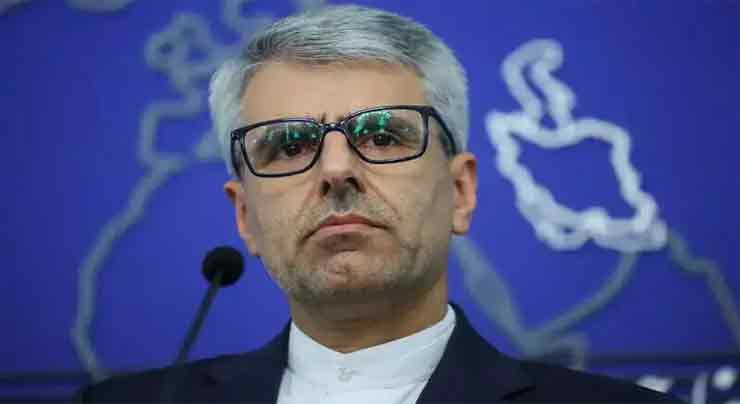
Foreign Ministry spokesman Esmaeil Baqaei said that several messages have been exchanged via Pakistan since the Iranian delegation returned to Tehran after weekend talks. He added that a Pakistani delegation is expected to arrive in Tehran as part of ongoing diplomatic engagement.
Baqaei reiterated that Iran’s right to enrich uranium remains “indisputable,” though he noted that the level and nature of enrichment could be subject to negotiations. He emphasized that Iran’s peaceful nuclear program cannot be curtailed through pressure or conflict.
The developments come amid renewed signals from U.S. President Donald Trump, who indicated that talks between Washington and Tehran could resume within days. In recent remarks, Trump suggested Pakistan could again host discussions, praising its role and calling it a likely venue for further negotiations.
He also told U.S. media that the conflict with Iran is “very close to over,” although he acknowledged that talks have been progressing slowly. Earlier, he had hinted that a second round of direct negotiations could also take place in Europe.
Pakistan hosted high-level Iran-US talks in Islamabad over the weekend, marking the most significant engagement between the two countries in decades. Despite nearly 21 hours of discussions, the talks concluded without an agreement, though both sides agreed to keep diplomatic channels open.
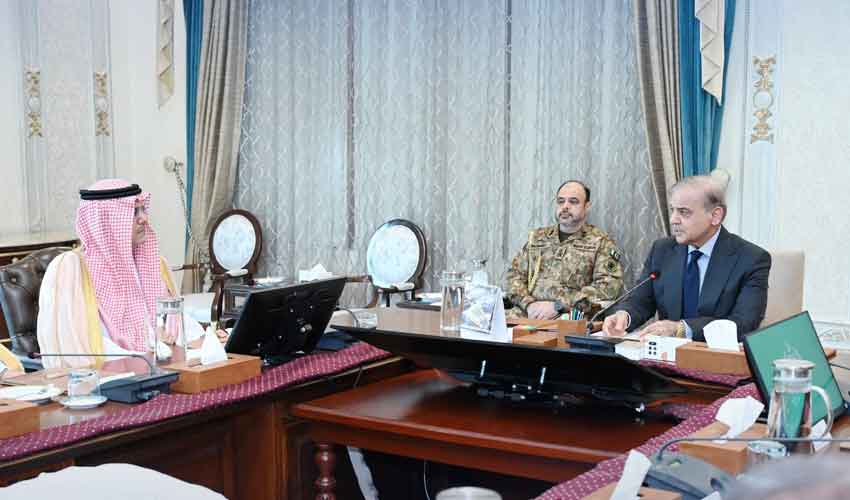
Prime Minister Shehbaz Sharif said efforts are ongoing to resolve outstanding issues, noting that the ceasefire between the two sides remains in place for now.
The ceasefire, brokered earlier this month after weeks of tensions, is set to expire on April 22. While it is still holding, concerns remain as the United States moves toward stricter measures, including a possible naval blockade of Iranian ports - an action Tehran has warned would violate the truce.