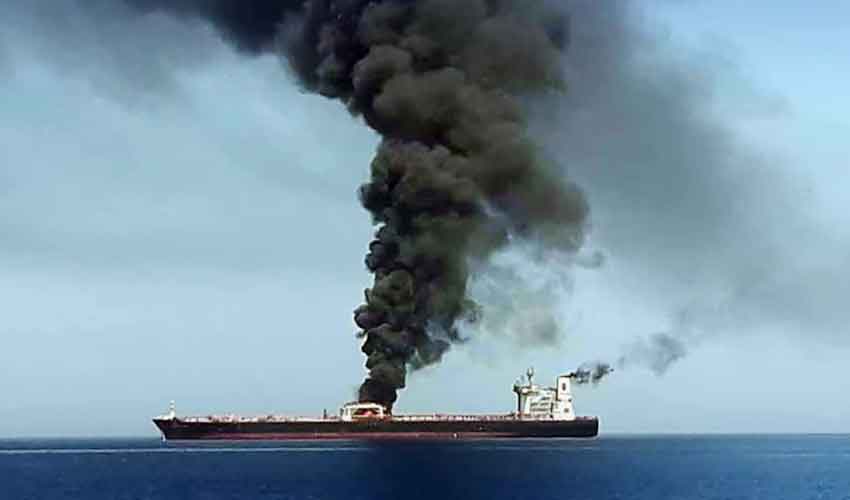
The ongoing war in the Middle East has begun to disrupt global air travel, leaving the skies unsettled and forcing thousands of flight cancellations across the region.
Pakistan’s aviation industry has also been significantly affected, with more than 1,800 flights cancelled from Pakistani airports since February 28, causing losses worth billions of rupees.
The conflict in the Middle East has shaken the global travel and tourism sector, with widespread disruptions reported across major aviation hubs. Thousands of flights have been cancelled from Gulf countries, making travel increasingly difficult for passengers and airlines alike.
The crisis has triggered ripple effects across international air routes, affecting flight schedules and airline operations worldwide.
Pakistan aviation sector suffers major disruption
Pakistan has not remained immune to the crisis.
According to reports, the number of cancelled flights from Pakistani airports has exceeded 1,500, while overall cancellations have now crossed 1,800 since the conflict began on February 28.
The disruption has caused significant financial losses for the aviation sector, amounting to billions.
Decline in overflying, regular air traffic
Pakistan Airports Authority spokesperson Saifullah Khan confirmed that the crisis has resulted in a noticeable decline in both overflying aircraft and regular air traffic over Pakistan.
The reduced air traffic is affecting airline operations, airport revenues, and related aviation services.
Industry experts say the aviation sector is facing multiple challenges beyond flight cancellations. According to Skywings CEO Imran Aslam Khan, the effects of the Middle East war have placed additional pressure on the aviation industry.
Aviation experts also warn that rising jet fuel prices have become a new challenge for airlines, increasing operational costs at a time when travel disruptions are already hurting revenues.
Hajj operations may be affected
Experts caution that if tensions in the Middle East continue, future religious travel operations could face disruptions. There is concern that the upcoming Hajj operation following Umrah may also be affected, depending on how the regional situation evolves.
The aviation industry is closely monitoring developments as airlines and authorities attempt to manage the ongoing crisis.



.jpg)